Your cart is currently empty!
Category: bonsai trees

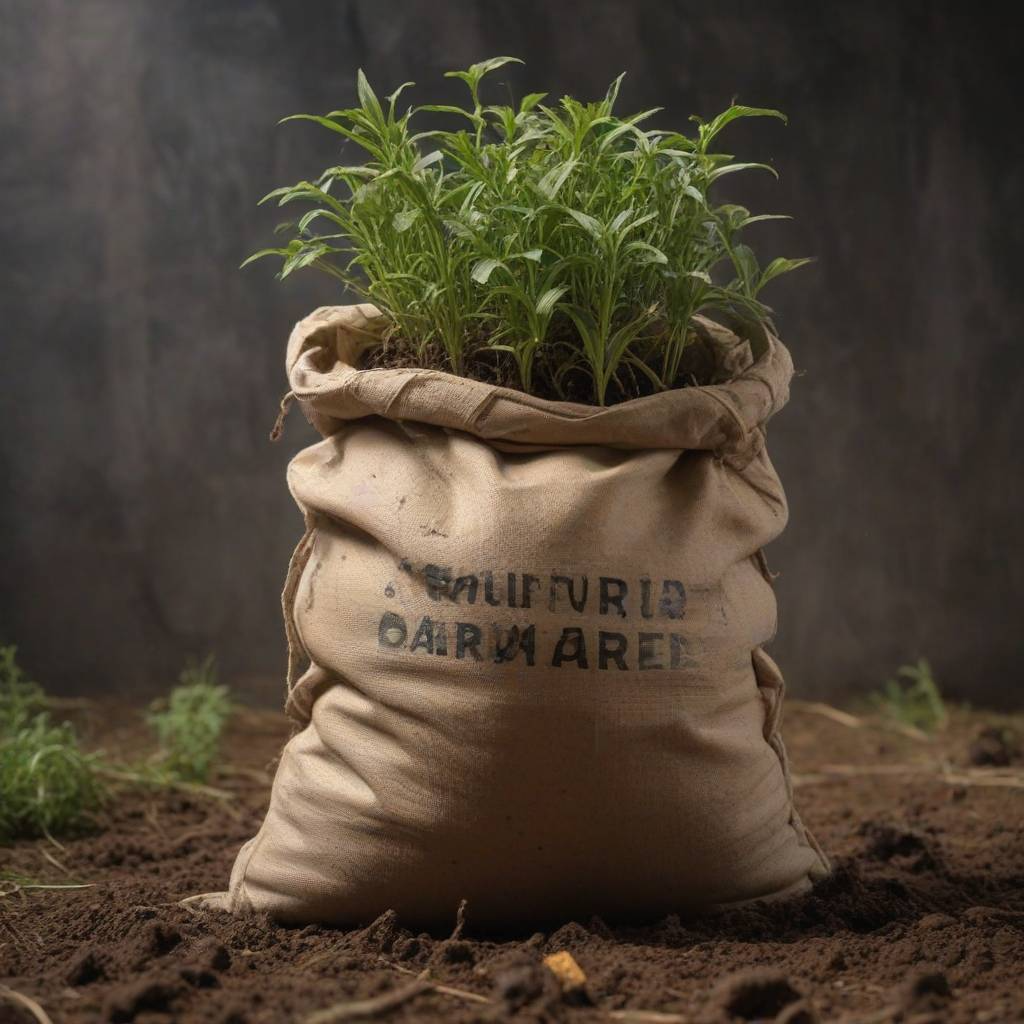
“Manure for Plants: Nature’s Nutrient-Rich Gift”
Manure, a natural and sustainable fertilizer, offers unparalleled benefits for plant growth and soil health. Derived from animal waste, it provides essential nutrients that plants crave. Rich in nitrogen, phosphorus, and potassium, manure boosts plant vitality and productivity. Composting Manure for Plants transforms it into a more usable form, enhancing its nutrient availability and reducing potential pathogens.
Applying manure to your garden or farm improves soil structure, increases water retention, and promotes healthy root development. Manure’s organic matter fosters microbial activity, which aids in nutrient cycling and disease suppression. Different types of manure, like cow, horse, chicken, and rabbit, cater to various plant needs. For instance, chicken manure, high in nitrogen, suits leafy greens perfectly.
Embracing manure as a fertilizer supports sustainable agriculture and gardening practices. It recycles waste, reduces reliance on synthetic fertilizers, and nurtures the soil naturally. By understanding and utilizing manure’s full potential, gardeners and farmers can cultivate thriving, healthy plants while promoting environmental stewardship. Let’s explore Manure for Plants: Nature’s Nutrient-Rich Gift by Zardens.
Cow Manure
Cow manure is a well-balanced, nutrient-rich fertilizer highly valued in gardening and agriculture. It contains nitrogen, phosphorus, and potassium, which are essential for plant growth. Additionally, cow manure is rich in organic matter, which improves soil structure and water retention. Before application, compost cow manure to reduce its high moisture content and odor. Composting also kills any potential pathogens and weed seeds, making it safer for use. Cow manure is versatile and can be used for a wide range of plants, from vegetables to flowers. Its slow-release nature ensures a steady supply of nutrients throughout the growing season. Incorporate cow manure into the soil before planting, and it will support robust root development and vigorous growth.
Application Tips of Cow Manure
- Compost First: Compost cow manure before use. It reduces odor, kills pathogens, and improves nutrient availability for plants.
- Timing Matters: Apply composted manure in early spring or fall. It ensures nutrients are available when plants need them.
- Work into Soil: Incorporate manure into the topsoil. It prevents nutrient runoff, reduces odor, and improves soil structure.
- Avoid Fresh Manure: Fresh cow manure can burn plants. Always compost it to ensure safe application and optimal plant health.
- Uniform Application: Spread manure evenly. It ensures all plants receive adequate nutrients, promoting uniform growth across your garden.
- Use Appropriate Quantities: Apply the right amount. Too much manure can lead to nutrient imbalances and potential water pollution.
- Water After Application: Water the soil after applying manure. It helps nutrients penetrate the soil and reach plant roots efficiently.
- Monitor Soil pH: Regularly check soil pH. Cow manure can slightly alter pH levels, requiring occasional adjustments for optimal plant growth.
- Combine with Mulch: Use mulch alongside manure. It helps retain moisture, suppresses weeds, and further enriches the soil.
- Store Properly: Store unused manure in a covered, dry area. It prevents nutrient loss and contamination, ensuring it remains effective for future use.
Benefits
- Nutrient-Rich: Cow manure provides essential nutrients like nitrogen, phosphorus, and potassium, vital for healthy plant growth.
- Improves Soil Structure: It enhances soil texture, making it easier for roots to penetrate and access nutrients and water.
- Increases Microbial Activity: Manure boosts beneficial soil microbes. These microbes help break down organic matter and cycle nutrients.
- Enhances Water Retention: It improves soil’s ability to retain water, reducing the need for frequent watering and promoting plant health.
- Sustainable Fertilizer: Using cow manure recycles farm waste. It reduces the reliance on synthetic fertilizers, promoting sustainable gardening practices.
- Organic Matter Addition: Adds valuable organic matter to the soil. It improves soil fertility and supports long-term plant health.
- Cost-Effective: Often cheaper than synthetic fertilizers. It provides an economical solution for enhancing garden productivity.
- Reduces Soil Erosion: Enhances soil structure, which helps prevent erosion, maintaining soil integrity and promoting plant stability.
- Natural Weed Control: Properly composted cow manure can suppress weed growth, reducing competition for nutrients with your plants.
- Eco-Friendly: Environmentally friendly fertilizer option. It promotes healthy ecosystems and reduces the carbon footprint of gardening.
✒️ "In fields where crops aspire to grow,
Manure becomes the soil's best show.
Its richness feeds the hungry land,
Where plants stretch out their grateful hand"
Horse Manure
Horse manure is another excellent option for fertilizing plants, especially nitrogen-loving crops like corn and tomatoes. It is rich in nitrogen, which promotes leafy growth and overall plant vigor. However, horse manure often contains weed seeds, so composting is crucial to eliminate them. The composting process also stabilizes the nutrient content, making it more effective and safer for plants. Horse manure improves soil structure by increasing aeration and drainage, which is beneficial for heavy clay soils. Apply horse manure in the fall or early spring to allow it to break down before the growing season. This type of manure supports the healthy growth of garden plants, providing essential nutrients and improving soil health.
Application Tips of Horse Manure
Horse manure enriches garden soil with essential nutrients. Compost it first to kill weed seeds and pathogens effectively.
- Preparation: Mix horse manure with straw or bedding material for balanced composting. Turn the pile regularly for aeration.
- Composting Time: Allow the compost to mature for 6-12 months. This ensures nutrient availability and reduces potential plant burn.
- Soil Improvement: Incorporate composted horse manure into the topsoil. It improves soil structure, aeration, and moisture retention.
- Nutrient Boost: Horse manure is rich in nitrogen, which is essential for leafy plant growth. It’s ideal for heavy feeders like tomatoes.
- Application Timing: Apply manure in early spring or fall. This gives time for nutrients to integrate before planting season.
- Mulching: Use aged horse manure as mulch around plants. It suppresses weeds and gradually releases nutrients into the soil.
- Tea Preparation: Make manure tea by soaking horse manure in water. Use this liquid as a foliar spray for an immediate nutrient boost.
- Safety Precautions: Wear gloves when handling manure to prevent the spread of pathogens. Wash hands thoroughly after application.
- Odor Control: Properly composted horse manure has a reduced odor, making it pleasant to use in garden spaces.
- Eco-friendly: Using horse manure recycles waste, reducing reliance on synthetic fertilizers and supporting sustainable agriculture.
Benefits
Horse manure offers multiple advantages for gardeners. It boosts soil fertility and promotes healthy plant growth naturally.
- Nutrient-Rich: High in nitrogen, phosphorus, and potassium, horse manure provides essential nutrients for plants.
- Soil Structure: It improves soil texture, enhancing water retention and drainage capabilities simultaneously.
- Microbial Activity: Increases beneficial microbial populations in the soil, aiding in nutrient breakdown and disease suppression.
- Sustainable Practice: Recycles waste products into valuable soil amendments, reducing environmental impact and enhancing sustainability.
- Weed Control: When composted correctly, it suppresses weed growth, saving time and effort in garden maintenance.
- Plant Health: Encourages vigorous growth and higher yields in vegetables, fruits, and ornamental plants.
Using horse manure effectively enhances your garden’s productivity and sustainability, promoting a healthier environment for plants and soil.
- (no title)
- Lavender Gardening Basics
- “Manure for Plants: Nature’s Nutrient-Rich Gift”
- “King of Fruits” The Mango: India’s Golden Fruit
- “Landscaping The Art of Beautifying”
Our Latest Post 👆
Chicken Manure
Chicken manure is one of the most nutrient-dense fertilizers available, particularly high in nitrogen. This makes it ideal for plants that require a significant nitrogen boost, such as leafy greens and vegetables. However, fresh chicken manure can be too strong and may burn plants, so it must be composted before use. Composting chicken manure reduces its potency and makes the nutrients more readily available to plants. Additionally, the composting process kills harmful pathogens, ensuring the manure is safe for the garden. Once composted, chicken manure provides a quick-release source of nutrients that can significantly enhance plant growth. Apply it to the soil before planting or use it as a top dressing during the growing season for the best results.
Application Tips for Chicken Manure
- Composting: Always compost chicken manure before use. Fresh manure can burn plants due to high nitrogen content.
- Mix with Carbon-Rich Materials: Balance nitrogen by mixing manure with straw or leaves. This enhances composting and nutrient distribution.
- Apply in Fall: Spread composted manure in fall. This allows nutrients to integrate into the soil before spring planting.
- Use as a Soil Amendment: Incorporate composted chicken manure into garden soil to improve texture, fertility, and microbial activity.
- Liquid Manure: Create manure tea by soaking chicken manure in water. Dilute the liquid before using it as a foliar spray.
- Avoid Direct Contact: Keep manure away from plant stems and leaves. Direct contact can harm delicate plant tissues.
- Regular Testing: Test soil regularly to monitor nutrient levels. Adjust manure application based on soil test results.
- Moderation: Use chicken manure sparingly. Over-application can lead to nutrient imbalances and potential environmental issues.
- Safety Precautions: Wear gloves and wash hands thoroughly after handling chicken manure. This prevents potential health risks.
- Even Distribution: Spread manure evenly across the garden. Uneven application can cause nutrient hotspots and plant stress.
Benefits
- Nutrient-Rich: Chicken manure provides essential nutrients like nitrogen, phosphorus, and potassium, promoting vigorous plant growth.
- Improves Soil Structure: Adds organic matter, enhancing soil texture, aeration, and water retention.
- Boosts Microbial Activity: Stimulates beneficial soil microbes that aid in nutrient cycling and disease suppression.
- Sustainable Fertilizer: Recycles waste from poultry farming, reducing reliance on synthetic fertilizers and promoting sustainability.
- Enhances Plant Health: Provides a balanced nutrient profile, resulting in healthier, more resilient plants.
- Increases Yield: Consistent use of chicken manure leads to higher crop yields and improved garden productivity.
- Organic Gardening: Ideal for organic gardening practices, aligning with natural and eco-friendly farming methods.
- Cost-Effective: Readily available and cost-effective, especially if sourced from local poultry farms.
- Environmentally Friendly: Reduces chemical runoff and pollution, supporting a healthier ecosystem.
- Long-Lasting Effects: Improves soil health over time, providing lasting benefits for future planting seasons.
Rabbit Manure
Rabbit manure stands out as an exceptional fertilizer due to its high nutrient content and ease of use. Unlike other manures, rabbit manure can be applied fresh without composting, as it does not burn plants. It is rich in nitrogen, phosphorus, and potassium, essential for healthy plant growth. Rabbit manure also contains beneficial microorganisms that enhance soil fertility and promote plant health. Its pellet form makes it easy to handle and spread evenly in the garden. Apply rabbit manure directly to the soil around plants or mix it into compost for added benefits. Its quick-release nature ensures that plants receive an immediate nutrient boost, supporting vigorous growth and abundant yields.
Application Tips of Rabbit Manure
- Direct Use: Rabbit manure can be applied directly to plants without composting. It won’t burn plant roots.
- Composting: Mix rabbit manure with kitchen scraps and yard waste. This speeds up the composting process.
- Mulching: Spread rabbit manure around the base of plants. It conserves moisture and suppresses weeds effectively.
- Soil Amendment: Work rabbit manure into the soil. This improves soil structure and nutrient content.
- Manure Tea: Steep rabbit manure in water for a nutrient-rich liquid fertilizer. Use it for foliar feeding.
Benefits
- High Nitrogen: Rabbit manure is rich in nitrogen, which promotes leafy green growth and overall plant health.
- Balanced Nutrients: It provides balanced nutrients, including phosphorus and potassium, essential for flowering and root development.
- Improves Soil Texture: Adds organic matter, improving soil aeration and water retention. It makes heavy soils more workable.
- Enhances Microbial Activity: Rabbit manure boosts beneficial microbial activity. This helps decompose organic matter and cycle nutrients.
- Sustainable Fertilizer: Rabbit manure is a renewable resource, reducing the need for synthetic fertilizers. It supports organic gardening practices.
Rabbit manure is a gardener’s best friend. Its direct application, composting benefits, and nutrient-rich profile make it ideal for improving soil and plant health. Use rabbit manure to enhance your garden’s productivity, foster sustainable practices, and enjoy lush, healthy plants year-round. Whether you’re mulching, making manure tea, or enriching soil, rabbit manure is your go-to organic fertilizer.
🌱“From humble dung to nature’s gift,
Manure’s worth gives crops a lift.
With every spread upon the earth,
Plants thrive in their green rebirth.“Green Manure
Green manure is a practice where specific plants are grown and then plowed back into the soil to improve fertility and structure. It enriches soil with organic matter, enhances nutrient levels, suppresses weeds, and promotes beneficial microbial activity. This sustainable technique fosters healthier crops and reduces the need for synthetic fertilizers.
Application
- Plant Selection: Choose nitrogen-fixing legumes like clover, alfalfa, or vetch for their ability to add nitrogen to the soil.
- Crop Rotation: Incorporate green manure crops into rotation schedules to break pest and disease cycles.
- Timing: Sow green manure in fall or early spring, allowing time for growth before incorporation.
Benefits
- Soil Enrichment: Green manure adds organic matter, enhancing soil structure and water retention.
- Nutrient Boost: Nitrogen-fixing plants increase soil nitrogen levels, reducing the need for synthetic fertilizers.
- Weed Suppression: Dense growth of green manure crops shades out weeds, minimizing weed competition.
- Erosion Control: Root systems of green manure plants help prevent soil erosion, especially on sloping land.
- Cost Savings: Reduces reliance on external inputs like fertilizers, promoting economic sustainability.
Green manure presents a win-win solution, enriching soil fertility while minimizing environmental impact and production costs. Embracing this practice signifies a step towards sustainable agriculture and a greener future.
Manure is organic, enhancing soil fertility and structure while promoting microbial activity, crucial for plant growth. It contains a diverse array of nutrients, including nitrogen, phosphorus, and potassium, in forms readily available to plants. Unlike synthetic fertilizers, manure improves soil health, reduces erosion, and increases water retention, leading to sustainable agriculture practices. Additionally, manure recycles organic waste, reducing environmental pollution and greenhouse gas emissions. Its use aligns with organic farming principles, supporting biodiversity and ecosystem resilience. Ultimately, choosing manure fosters healthier soils, promotes long-term sustainability, and contributes to a more balanced and resilient agricultural system.
comparison chart detailing the characteristics
Characteristic Cow Manure Horse Manure Chicken Manure Rabbit Manure Nutrient Content Moderate levels of nitrogen, phosphorus, and potassium. Rich in organic matter. Similar nutrient composition to cow manure, but may vary depending on diet. High in nitrogen, phosphorus, and potassium. High in nitrogen and phosphorus, lower in potassium. Rich in organic matter. Odor Moderate to strong odor, especially when fresh. Strong odor, especially when fresh. Strong odor, especially when fresh. Minimal odor, especially when compared to other manures. Texture Usually moist and clumped, may contain bedding material. Variable texture depending on bedding and diet. Often contains straw or wood shavings. Often dry and granular, mixed with chicken bedding. Usually dry and granular, mixed with hay or straw. pH Level Slightly alkaline. Slightly acidic to neutral. Variable, can be slightly acidic. Slightly acidic. Decomposition Rate Moderate. Moderate to fast. Fast. Fast. Application Requires composting or aging before use to prevent burning plants due to high nitrogen content. Requires composting or aging, but can be applied fresh in small amounts. Can be applied fresh or composted. Can be applied fresh or composted. Weed Seeds May contain some weed seeds, depending on feed and composting process. May contain weed seeds if not composted properly. May contain weed seeds. Generally free of weed seeds. Pathogens May contain pathogens such as E. coli and Salmonella, but composting reduces the risk. May contain pathogens, particularly if not composted properly. May contain pathogens such as E. coli and Salmonella, composting is essential. Less likely to contain harmful pathogens compared to other manures. This chart should give you a comprehensive overview of the characteristics of cow, horse, chicken, and rabbit manure, aiding in decision-making for agricultural or gardening purposes. Let’s explore Manure for Plants: Nature’s Nutrient-Rich Gift by Zardens.
Subscribe to Zardens newsletter!
[newsletter_form type=”minimal”]The Secrets of Bonsai: A Journey into Miniature Landscapes
Timeless Charm of Bonsai Plants
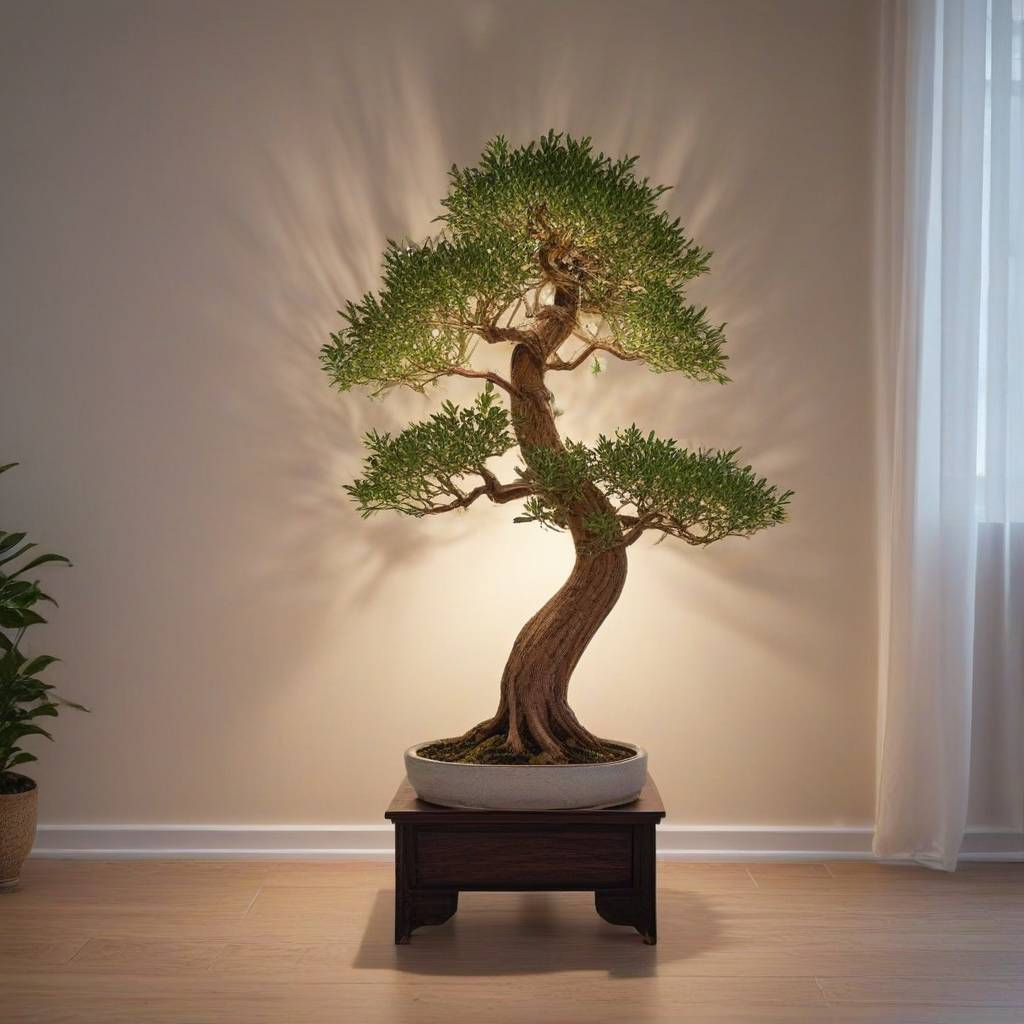
Delving into the world of bonsai plants is like embarking on a journey through time and culture. These miniature masterpieces carry within them a rich tapestry of history and symbolism, captivating enthusiasts worldwide. Let’s explore the fascinating origins and enduring significance of these tiny trees and The Secrets of Bonsai.
Origins: Tracing the Roots of Bonsai
Bonsai, a Japanese term meaning “planted in a container,” has its roots deeply embedded in Chinese culture. Initially practiced by ancient Chinese scholars as early as the 6th century, bonsai cultivation was seen as a harmonious union of art, nature, and philosophy. Later embraced by the Japanese, bonsai evolved into a distinct art form, reflecting the Zen principles of balance, simplicity, and reverence for nature.
Symbolism: Unveiling the Meaning Behind the Miniature
Beyond their aesthetic appeal, bonsai plants carry profound symbolism, each meticulously crafted to convey a specific message or evoke a particular feeling. In Japanese culture, these miniature trees symbolize patience, perseverance, and the beauty of impermanence. Their ability to thrive in confined spaces mirrors the resilience of the human spirit, inspiring contemplation and introspection.
Cultural Significance: Bonsai in Art, Literature, and Beyond
Throughout history, bonsai has left an indelible mark on various facets of culture, influencing art, literature, and even popular culture. From ancient scrolls depicting miniature landscapes to modern-day exhibitions showcasing intricate bonsai specimens, these diminutive trees continue to captivate and inspire artists and enthusiasts alike. In literature, bonsai often serves as a metaphor for life’s journey, with its twists and turns mirrored in the intricate pruning and shaping of the tree’s branches.
The Modern Renaissance: Bonsai in the 21st Century
In recent years, bonsai cultivation has experienced a renaissance, with enthusiasts from all walks of life rediscovering the joy of nurturing these miniature marvels. From traditionalists adhering to centuries-old techniques to modern innovators experimenting with new styles and species, the world of bonsai is vibrant and ever-evolving. Social media platforms have played a significant role in this resurgence, connecting bonsai enthusiasts worldwide and fostering a sense of community and camaraderie.
The Mystique: A Beginner’s Journey into Bonsai
Embarking on the bonsai adventure is like entering a miniature wonderland where trees tell stories through their branches. But before diving into the art of bonsai, let’s unravel the basics, shall we?
Choosing the Right Tree: Where the Journey Begins
Selecting the perfect tree for your bonsai journey is akin to finding a lifelong companion. Consider starting with resilient species like junipers or ficus, ideal for beginners. These hardy trees forgive occasional lapses in care, offering room for learning and growth.
As you browse through nurseries or online shops, trust your instincts. Seek trees with well-defined trunks and pleasing proportions. Remember, your bonsai tree will be your muse, so choose one that speaks to your heart.Creating these miniature masterpieces isn’t just about pruning and shaping; it’s about selecting the perfect plant to cultivate.
Here, we unveil the top 10 plants for bonsai enthusiasts
Japanese Maple (Acer palmatum): Renowned for its stunning foliage and graceful branching, the Japanese Maple is a quintessential choice for bonsai. Its delicate leaves turn fiery shades of red, orange, and yellow in autumn, adding a burst of color to any collection.
Juniper (Juniperus spp.): With its rugged appearance and resilience, the Juniper is a favorite among bonsai practitioners. Its evergreen foliage and gnarled trunk evoke a sense of ancient wisdom, making it an ideal candidate for creating dramatic, windswept designs.
Chinese Elm (Ulmus parvifolia): As one of the most adaptable and forgiving species, the Chinese Elm is perfect for beginners and seasoned bonsai artists alike. Its small, glossy leaves and intricate bark lend themselves well to various styles, from formal upright to cascade.
Ficus (Ficus spp.): Whether it’s the Ficus Retusa or Ficus Microcarpa, these tropical trees are beloved for their lush foliage and aerial root systems. With proper care, Ficus bonsai can thrive indoors, bringing a touch of the exotic into any living space.
Trident Maple (Acer buergerianum): Prized for its brilliant autumn colors and distinctive three-lobed leaves, the Trident Maple is a treasure in the world of bonsai. Its elegant silhouette and fine ramification make it a favorite for creating refined, miniature landscapes.
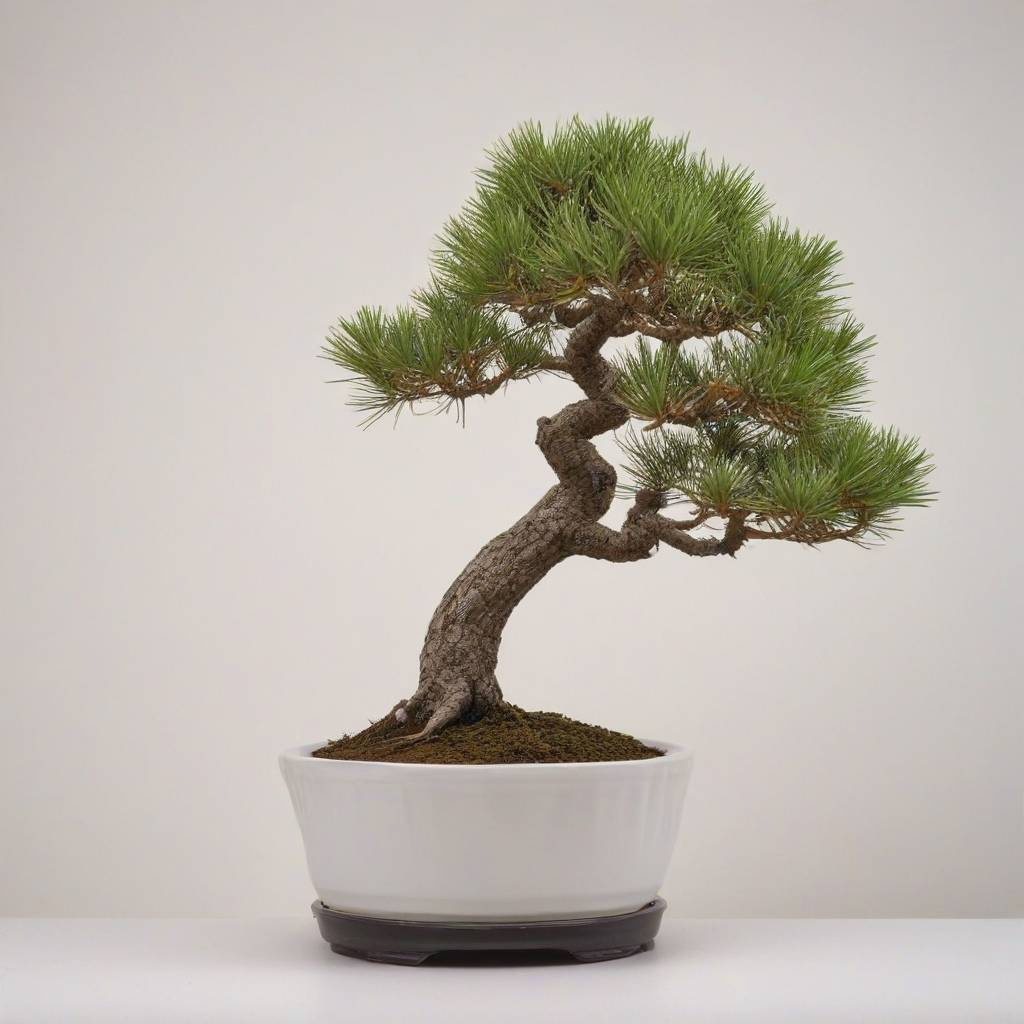
Pine (Pinus spp.): For those seeking a challenge, Pine bonsai offer a rewarding journey. From the rugged Scots Pine to the elegant Japanese Black Pine, these conifers require patience and skill to coax into the classic bonsai form, but the results are truly breathtaking.
Satsuki Azalea (Rhododendron indicum): Celebrated for their vibrant blooms and compact growth habits, Satsuki Azaleas are a feast for the senses in bonsai form. With proper pruning and wiring, these miniature marvels can showcase a profusion of color year after year.
Boxwood (Buxus spp.): Known for their dense foliage and ability to withstand heavy pruning, Boxwoods are ideal for creating dense, compact bonsai designs. Their small leaves and fine branches lend themselves well to formal styles like the broom and the cloud.
Japanese Black Pine (Pinus thunbergii): Revered for their rugged beauty and symbolic significance, Japanese Black Pines are a staple in traditional bonsai culture. Their rugged bark, twisted trunks, and deep green needles evoke a sense of strength and resilience.
Japanese White Pine (Pinus parviflora): With its graceful form and delicate needles, the Japanese White Pine embodies the timeless elegance of bonsai. Whether styled as a formal upright or cascading masterpiece, this species exudes serenity and tranquility.
The Toolbox: A Bonsai Gardener’s Best Friends
Embarking on a journey into the enchanting world of bonsai gardening? Hold onto your pruning shears because we’re diving deep into the essential tools every bonsai enthusiast needs to cultivate their tiny arboreal masterpieces. From the humble soil beneath your bonsai’s roots to the precision scissors that shape its branches, let’s explore the must-haves for your bonsai toolkit.
1. Soil Selection: The Foundation of Bonsai Brilliance
Picture this: your bonsai is a skyscraper, and the soil is its bedrock foundation. Just as a sturdy base ensures a towering building’s stability, the right soil mix is paramount for your bonsai’s health and growth. Opt for well-draining soil blends tailored to your tree’s species, providing the perfect balance of aeration and moisture retention. Say goodbye to soggy roots and hello to thriving foliage!
2. Pruning Tools: Crafting Nature’s Canvas
Ah, the art of bonsai pruning—a delicate dance between precision and creativity. Enter stage left: your trusty pruning tools. From scissors to shears, these handheld wonders are your ticket to sculpting your bonsai’s silhouette with finesse. Remember, less is often more in the world of bonsai, so wield your tools with a gentle touch and a keen eye for balance. With each snip and clip, you’re not just shaping a tree—you’re shaping a masterpiece.
3. Watering Essentials: Quenching Nature’s Thirst
Water, the elixir of life for your bonsai companion. But beware: too much or too little can spell disaster for your miniature marvel. Equip yourself with a watering can or mister to deliver hydration with precision, ensuring every drop reaches its intended destination. Pay heed to your bonsai’s individual needs, adjusting your watering schedule based on factors like season, humidity, and soil moisture. With a splash here and a sprinkle there, you’ll keep your bonsai happy and hydrated for years to come.
4. Wiring Wizardry: Crafting Shapes with Finesse
Ever dreamed of bending nature to your will? Enter the world of bonsai wiring, where artistry meets horticulture in a dance of elegant manipulation. Armed with aluminum or copper wire, you have the power to guide your bonsai’s branches with grace and precision, coaxing them into sinuous curves or dramatic cascades. But tread lightly, dear gardener, for too much force can lead to injury. Practice patience and finesse as you weave your bonsai’s destiny one twist at a time.
5. Fertilizer Finesse: Nourishing Growth from Within
Just like a balanced diet fuels your body, the right fertilizer nourishes your bonsai from root to tip. Choose a fertilizer formulated specifically for bonsai cultivation, rich in essential nutrients like nitrogen, phosphorus, and potassium. With regular applications during the growing season, you’ll fuel robust growth and vibrant foliage, transforming your bonsai into a verdant work of living art. Remember, moderation is key—too much fertilizer can overwhelm your bonsai’s delicate roots, so err on the side of caution as you feed your miniature masterpiece.
6. Sheltering Shields: Protecting Your Bonsai from the Elements
Mother Nature can be both friend and foe to your bonsai garden, with her whimsical weather patterns and unpredictable pests. Arm yourself with protective shields like frost cloth or insect netting to safeguard your bonsai from nature’s tantrums. Whether it’s shielding delicate foliage from frosty winds or warding off pesky pests, these simple yet effective defenses ensure your bonsai’s well-being year-round. With a little foresight and preparation, you’ll weather any storm that comes your way, emerging victorious with your bonsai garden intact.
Bonsai Care : Year-Round Maintenance
Bonsai trees are like tiny pieces of nature’s artwork, requiring a delicate touch and attentive care throughout the year. Each season brings its own set of challenges and opportunities for nurturing these miniature marvels. Whether you’re a seasoned bonsai enthusiast or just starting out on your green-thumb journey, understanding how to care for your bonsai in every season is essential for its health and longevity. Let’s dive into some tips to keep your bonsai thriving year-round!
Spring Spruce-Up: Refreshing Your Bonsai
As the world awakens from its winter slumber, so too do bonsai trees spring back to life with renewed vigor. Spring is a time of growth and renewal for bonsai, making it the perfect opportunity to refresh your tree’s appearance and set the stage for a flourishing season ahead. Start by inspecting your bonsai for any signs of winter damage or disease, trimming away dead or diseased branches with sharp, clean pruning shears. Next, repot your bonsai if it has outgrown its current container, using fresh soil to replenish nutrients and promote healthy root growth. Finally, fertilize your bonsai with a balanced fertilizer to give it the boost it needs to thrive in the coming months.
Summer Sun: Shielding Your Bonsai from Heat Stress
As temperatures rise and the sun beats down, it’s important to protect your bonsai from the scorching summer heat. Position your bonsai in a location where it will receive filtered sunlight during the hottest parts of the day, such as under a shade tree or on a covered porch. Water your bonsai regularly, keeping the soil evenly moist but not waterlogged, and mist the leaves with a fine spray of water to increase humidity and prevent them from drying out. If you live in a particularly hot climate, consider placing a layer of mulch around the base of your bonsai to help retain moisture and regulate soil temperature.
Fall Foliage: Preparing Your Bonsai for Winter
As autumn leaves begin to fall, it’s time to start preparing your bonsai for the colder months ahead. Begin by gradually reducing the frequency of watering and fertilizing your bonsai as it enters its dormant phase. This will help prevent new growth from being damaged by frost and conserve energy for the winter ahead. Inspect your bonsai for any pests or diseases that may have taken up residence over the summer months, treating them promptly with organic pesticides or fungicides as needed. Finally, protect your bonsai from freezing temperatures by bringing it indoors or placing it in a sheltered location such as a garage or greenhouse.
Winter Wellness: Providing TLC During the Cold Months
Winter can be a challenging time for bonsai, with cold temperatures and reduced sunlight putting stress on your tree’s delicate ecosystem. To help your bonsai weather the winter months, keep it in a cool but frost-free location where it will receive plenty of indirect sunlight. Water your bonsai sparingly, being careful not to let the soil dry out completely between waterings. If your bonsai is kept indoors, consider placing it near a humidifier to help maintain optimal humidity levels. During periods of extreme cold, protect your bonsai from frost damage by wrapping the pot in insulation or placing it inside a protective cover. With a little extra care and attention, your bonsai will emerge from winter ready to greet the spring with renewed vitality.
Choosing the Right FRP Planter : Style and Functionality
So, you’ve decided to jazz up your space with some fabulous FRP planters. But wait, before you dive headfirst into the world of fiberglass-reinforced plastic, let’s talk style and functionality. After all, you want your plant babies to thrive in a container that’s not only chic but also practical, right? Let’s break it down.
Finding Your Style
When it comes to style, FRP planters offer a smorgasbord of options. From sleek and modern to rustic and charming, there’s a planter out there to suit every taste. Think about the aesthetic of your space—are you going for a minimalist vibe or something more eclectic? Consider the colors, shapes, and textures that will complement your decor and bring your vision to life. Whether you’re envisioning a row of geometric planters lining your patio or a statement piece for your living room, let your imagination run wild.
Balancing Form and Function
While style is important, functionality should never be overlooked. After all, your plant’s health depends on it! When choosing an FRP planter, consider factors like drainage, size, and durability. Opt for planters with drainage holes to prevent waterlogged soil and root rot—your plants will thank you later. Additionally, think about the size of your plant’s root system and choose a planter with enough room to accommodate its growth. And don’t forget about durability—look for planters that can withstand the elements if you’ll be placing them outdoors. A little rain or shine shouldn’t cramp your plant’s style!
Practical Considerations
Now, let’s get down to brass tacks. When selecting an FRP planter, think about the practicalities of maintenance and upkeep. Are you a green thumb guru with time to spare for regular watering and repotting? Or do you need something low-maintenance that can thrive with minimal attention? Consider factors like material weight, ease of cleaning, and UV resistance. Lightweight planters are great for maneuverability, while UV-resistant coatings can help protect against sun damage. And if you’re a busy bee, self-watering systems or built-in reservoirs can help keep your plants hydrated while you’re off living your best life.
Incorporating Your Personal Touch
Last but certainly not least, don’t forget to inject a little bit of your personality into your planters. Whether it’s adding decorative accents like pebbles or moss, or customizing with paint or decals, there are countless ways to make your planters uniquely yours. Get creative and have fun with it! After all, your planters should reflect your style and personality just as much as the plants they house. So go ahead, let your inner plant parent shine!
Transform Your Space with These 7 Bonsai Décor Ideas
Bonsai trees aren’t just plants; they’re living works of art that can breathe life into any space. Whether you’re a seasoned bonsai enthusiast or just dipping your toes into the art form, there are endless ways to incorporate these miniature marvels into your home décor. Let’s explore seven creative and delightful ways to elevate your space with the beauty of bonsai.
1. Bonsai Centerpieces: Bringing Nature to Your Table
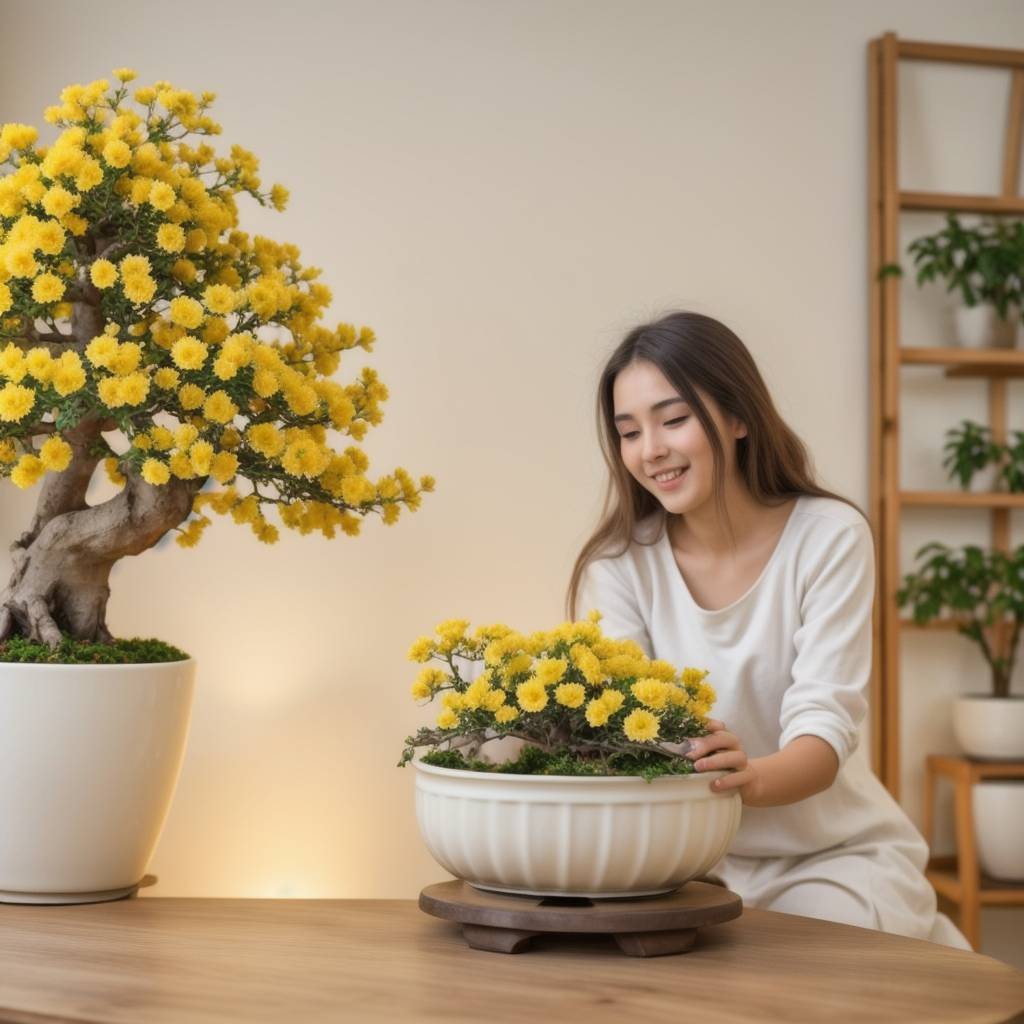
Why settle for ordinary table centerpieces when you can dazzle your guests with bonsai beauty? Imagine a sleek tabletop FRP planter adorned with a miniature masterpiece, adding a touch of serenity to your dining experience. Whether it’s a formal dinner party or a cozy family gathering, a bonsai centerpiece is sure to spark conversation and admiration.
2. Bonsai Terrariums: Miniature Worlds of Wonder
Step into a world of enchantment with bonsai terrariums. Utilizing a tabletop FRP planter, create your own tiny ecosystem by combining bonsai trees with moss, rocks, and other miniature plants. These living dioramas not only add visual interest to any space but also provide a serene escape into nature, right in the comfort of your home.
3. Bonsai Wall Art: Elevate Your Vertical Space
Why limit your décor to horizontal surfaces when you can elevate it—literally? Transform your walls into living galleries with bonsai wall art. Utilize hanging FRP planters to showcase your miniature masterpieces in a vertical arrangement, adding depth and dimension to any room. Whether it’s a single statement piece or a series of cascading bonsai, your walls will thank you for the green makeover.
4. Bonsai Zen Gardens: Cultivate Tranquility
Seeking inner peace? Look no further than a bonsai zen garden. Create your own oasis of calm by incorporating bonsai trees into a traditional Japanese-inspired garden. Utilize a tabletop FRP planter as the focal point, surrounding it with sand, rocks, and miniature accessories to evoke a sense of serenity and balance. Whether placed on a desk or a meditation altar, your bonsai zen garden will serve as a gentle reminder to pause, breathe, and find peace in the present moment.
5. Bonsai Bookends: Where Function Meets Beauty
Why settle for ordinary bookends when you can add a touch of greenery to your literary collection? Utilize miniature bonsai trees as living bookends, framing your favorite volumes with natural beauty. Place them on a shelf or a tabletop, using FRP planters to anchor your books in style. Not only do bonsai bookends add visual interest to your space, but they also bring a breath of fresh air to your reading nook.
6. Bonsai Fairy Gardens: Whimsical Delights for All Ages
Let your imagination take flight with bonsai fairy gardens. Create enchanting miniature worlds where bonsai trees serve as the towering giants of a whimsical landscape. Use a tabletop FRP planter as the foundation, filling it with moss, tiny figurines, and miniature accessories to bring your fairy tale to life. Whether it’s a secret garden tucked away in a corner or a whimsical centerpiece for your coffee table, bonsai fairy gardens are sure to spark joy and wonder for all ages.
7. Bonsai Accent Lighting: Illuminate with Elegance
Why settle for ordinary lighting when you can illuminate your space with bonsai beauty? Incorporate bonsai trees into your lighting fixtures for a truly unique and elegant touch. Utilize a tabletop FRP planter as the base, surrounding it with LED lights to create a soft, ethereal glow. Whether used as bedside lamps or statement pieces in your living room, bonsai accent lighting adds a touch of magic to any space, transforming it into a luminous sanctuary of style and serenity.
Embracing the Beauty of Bonsai
In a world where trends come and go like fleeting seasons, there’s something reassuring about the timeless allure of bonsai. These miniature marvels embody centuries of patience, craftsmanship, and reverence for nature’s elegance. Each twist of the trunk, every delicate leaf, whispers stories of resilience and harmony. Embracing bonsai isn’t just about cultivating plants; it’s a journey into the soul of horticulture, where art and science dance in perfect harmony. With bonsai, time slows down, allowing us to savor the beauty of the moment and appreciate the profound wisdom that comes with nurturing something so ancient yet evergreen with The Secrets of Bonsai
Zardens Fiberglass Planters, a perfact match for all Bonsai lovers, choose your Planters. – Zardens.com