Your cart is currently empty!
Category: Tomato Gardening

“Manure for Plants: Nature’s Nutrient-Rich Gift”
Manure, a natural and sustainable fertilizer, offers unparalleled benefits for plant growth and soil health. Derived from animal waste, it provides essential nutrients that plants crave. Rich in nitrogen, phosphorus, and potassium, manure boosts plant vitality and productivity. Composting Manure for Plants transforms it into a more usable form, enhancing its nutrient availability and reducing potential pathogens.
Applying manure to your garden or farm improves soil structure, increases water retention, and promotes healthy root development. Manure’s organic matter fosters microbial activity, which aids in nutrient cycling and disease suppression. Different types of manure, like cow, horse, chicken, and rabbit, cater to various plant needs. For instance, chicken manure, high in nitrogen, suits leafy greens perfectly.
Embracing manure as a fertilizer supports sustainable agriculture and gardening practices. It recycles waste, reduces reliance on synthetic fertilizers, and nurtures the soil naturally. By understanding and utilizing manure’s full potential, gardeners and farmers can cultivate thriving, healthy plants while promoting environmental stewardship. Let’s explore Manure for Plants: Nature’s Nutrient-Rich Gift by Zardens.
Cow Manure
Cow manure is a well-balanced, nutrient-rich fertilizer highly valued in gardening and agriculture. It contains nitrogen, phosphorus, and potassium, which are essential for plant growth. Additionally, cow manure is rich in organic matter, which improves soil structure and water retention. Before application, compost cow manure to reduce its high moisture content and odor. Composting also kills any potential pathogens and weed seeds, making it safer for use. Cow manure is versatile and can be used for a wide range of plants, from vegetables to flowers. Its slow-release nature ensures a steady supply of nutrients throughout the growing season. Incorporate cow manure into the soil before planting, and it will support robust root development and vigorous growth.
Application Tips of Cow Manure
- Compost First: Compost cow manure before use. It reduces odor, kills pathogens, and improves nutrient availability for plants.
- Timing Matters: Apply composted manure in early spring or fall. It ensures nutrients are available when plants need them.
- Work into Soil: Incorporate manure into the topsoil. It prevents nutrient runoff, reduces odor, and improves soil structure.
- Avoid Fresh Manure: Fresh cow manure can burn plants. Always compost it to ensure safe application and optimal plant health.
- Uniform Application: Spread manure evenly. It ensures all plants receive adequate nutrients, promoting uniform growth across your garden.
- Use Appropriate Quantities: Apply the right amount. Too much manure can lead to nutrient imbalances and potential water pollution.
- Water After Application: Water the soil after applying manure. It helps nutrients penetrate the soil and reach plant roots efficiently.
- Monitor Soil pH: Regularly check soil pH. Cow manure can slightly alter pH levels, requiring occasional adjustments for optimal plant growth.
- Combine with Mulch: Use mulch alongside manure. It helps retain moisture, suppresses weeds, and further enriches the soil.
- Store Properly: Store unused manure in a covered, dry area. It prevents nutrient loss and contamination, ensuring it remains effective for future use.
Benefits
- Nutrient-Rich: Cow manure provides essential nutrients like nitrogen, phosphorus, and potassium, vital for healthy plant growth.
- Improves Soil Structure: It enhances soil texture, making it easier for roots to penetrate and access nutrients and water.
- Increases Microbial Activity: Manure boosts beneficial soil microbes. These microbes help break down organic matter and cycle nutrients.
- Enhances Water Retention: It improves soil’s ability to retain water, reducing the need for frequent watering and promoting plant health.
- Sustainable Fertilizer: Using cow manure recycles farm waste. It reduces the reliance on synthetic fertilizers, promoting sustainable gardening practices.
- Organic Matter Addition: Adds valuable organic matter to the soil. It improves soil fertility and supports long-term plant health.
- Cost-Effective: Often cheaper than synthetic fertilizers. It provides an economical solution for enhancing garden productivity.
- Reduces Soil Erosion: Enhances soil structure, which helps prevent erosion, maintaining soil integrity and promoting plant stability.
- Natural Weed Control: Properly composted cow manure can suppress weed growth, reducing competition for nutrients with your plants.
- Eco-Friendly: Environmentally friendly fertilizer option. It promotes healthy ecosystems and reduces the carbon footprint of gardening.
✒️ "In fields where crops aspire to grow,
Manure becomes the soil's best show.
Its richness feeds the hungry land,
Where plants stretch out their grateful hand"
Horse Manure
Horse manure is another excellent option for fertilizing plants, especially nitrogen-loving crops like corn and tomatoes. It is rich in nitrogen, which promotes leafy growth and overall plant vigor. However, horse manure often contains weed seeds, so composting is crucial to eliminate them. The composting process also stabilizes the nutrient content, making it more effective and safer for plants. Horse manure improves soil structure by increasing aeration and drainage, which is beneficial for heavy clay soils. Apply horse manure in the fall or early spring to allow it to break down before the growing season. This type of manure supports the healthy growth of garden plants, providing essential nutrients and improving soil health.
Application Tips of Horse Manure
Horse manure enriches garden soil with essential nutrients. Compost it first to kill weed seeds and pathogens effectively.
- Preparation: Mix horse manure with straw or bedding material for balanced composting. Turn the pile regularly for aeration.
- Composting Time: Allow the compost to mature for 6-12 months. This ensures nutrient availability and reduces potential plant burn.
- Soil Improvement: Incorporate composted horse manure into the topsoil. It improves soil structure, aeration, and moisture retention.
- Nutrient Boost: Horse manure is rich in nitrogen, which is essential for leafy plant growth. It’s ideal for heavy feeders like tomatoes.
- Application Timing: Apply manure in early spring or fall. This gives time for nutrients to integrate before planting season.
- Mulching: Use aged horse manure as mulch around plants. It suppresses weeds and gradually releases nutrients into the soil.
- Tea Preparation: Make manure tea by soaking horse manure in water. Use this liquid as a foliar spray for an immediate nutrient boost.
- Safety Precautions: Wear gloves when handling manure to prevent the spread of pathogens. Wash hands thoroughly after application.
- Odor Control: Properly composted horse manure has a reduced odor, making it pleasant to use in garden spaces.
- Eco-friendly: Using horse manure recycles waste, reducing reliance on synthetic fertilizers and supporting sustainable agriculture.
Benefits
Horse manure offers multiple advantages for gardeners. It boosts soil fertility and promotes healthy plant growth naturally.
- Nutrient-Rich: High in nitrogen, phosphorus, and potassium, horse manure provides essential nutrients for plants.
- Soil Structure: It improves soil texture, enhancing water retention and drainage capabilities simultaneously.
- Microbial Activity: Increases beneficial microbial populations in the soil, aiding in nutrient breakdown and disease suppression.
- Sustainable Practice: Recycles waste products into valuable soil amendments, reducing environmental impact and enhancing sustainability.
- Weed Control: When composted correctly, it suppresses weed growth, saving time and effort in garden maintenance.
- Plant Health: Encourages vigorous growth and higher yields in vegetables, fruits, and ornamental plants.
Using horse manure effectively enhances your garden’s productivity and sustainability, promoting a healthier environment for plants and soil.
- (no title)
- Lavender Gardening Basics
- “Manure for Plants: Nature’s Nutrient-Rich Gift”
- “King of Fruits” The Mango: India’s Golden Fruit
- “Landscaping The Art of Beautifying”
Our Latest Post 👆
Chicken Manure
Chicken manure is one of the most nutrient-dense fertilizers available, particularly high in nitrogen. This makes it ideal for plants that require a significant nitrogen boost, such as leafy greens and vegetables. However, fresh chicken manure can be too strong and may burn plants, so it must be composted before use. Composting chicken manure reduces its potency and makes the nutrients more readily available to plants. Additionally, the composting process kills harmful pathogens, ensuring the manure is safe for the garden. Once composted, chicken manure provides a quick-release source of nutrients that can significantly enhance plant growth. Apply it to the soil before planting or use it as a top dressing during the growing season for the best results.
Application Tips for Chicken Manure
- Composting: Always compost chicken manure before use. Fresh manure can burn plants due to high nitrogen content.
- Mix with Carbon-Rich Materials: Balance nitrogen by mixing manure with straw or leaves. This enhances composting and nutrient distribution.
- Apply in Fall: Spread composted manure in fall. This allows nutrients to integrate into the soil before spring planting.
- Use as a Soil Amendment: Incorporate composted chicken manure into garden soil to improve texture, fertility, and microbial activity.
- Liquid Manure: Create manure tea by soaking chicken manure in water. Dilute the liquid before using it as a foliar spray.
- Avoid Direct Contact: Keep manure away from plant stems and leaves. Direct contact can harm delicate plant tissues.
- Regular Testing: Test soil regularly to monitor nutrient levels. Adjust manure application based on soil test results.
- Moderation: Use chicken manure sparingly. Over-application can lead to nutrient imbalances and potential environmental issues.
- Safety Precautions: Wear gloves and wash hands thoroughly after handling chicken manure. This prevents potential health risks.
- Even Distribution: Spread manure evenly across the garden. Uneven application can cause nutrient hotspots and plant stress.
Benefits
- Nutrient-Rich: Chicken manure provides essential nutrients like nitrogen, phosphorus, and potassium, promoting vigorous plant growth.
- Improves Soil Structure: Adds organic matter, enhancing soil texture, aeration, and water retention.
- Boosts Microbial Activity: Stimulates beneficial soil microbes that aid in nutrient cycling and disease suppression.
- Sustainable Fertilizer: Recycles waste from poultry farming, reducing reliance on synthetic fertilizers and promoting sustainability.
- Enhances Plant Health: Provides a balanced nutrient profile, resulting in healthier, more resilient plants.
- Increases Yield: Consistent use of chicken manure leads to higher crop yields and improved garden productivity.
- Organic Gardening: Ideal for organic gardening practices, aligning with natural and eco-friendly farming methods.
- Cost-Effective: Readily available and cost-effective, especially if sourced from local poultry farms.
- Environmentally Friendly: Reduces chemical runoff and pollution, supporting a healthier ecosystem.
- Long-Lasting Effects: Improves soil health over time, providing lasting benefits for future planting seasons.
Rabbit Manure
Rabbit manure stands out as an exceptional fertilizer due to its high nutrient content and ease of use. Unlike other manures, rabbit manure can be applied fresh without composting, as it does not burn plants. It is rich in nitrogen, phosphorus, and potassium, essential for healthy plant growth. Rabbit manure also contains beneficial microorganisms that enhance soil fertility and promote plant health. Its pellet form makes it easy to handle and spread evenly in the garden. Apply rabbit manure directly to the soil around plants or mix it into compost for added benefits. Its quick-release nature ensures that plants receive an immediate nutrient boost, supporting vigorous growth and abundant yields.
Application Tips of Rabbit Manure
- Direct Use: Rabbit manure can be applied directly to plants without composting. It won’t burn plant roots.
- Composting: Mix rabbit manure with kitchen scraps and yard waste. This speeds up the composting process.
- Mulching: Spread rabbit manure around the base of plants. It conserves moisture and suppresses weeds effectively.
- Soil Amendment: Work rabbit manure into the soil. This improves soil structure and nutrient content.
- Manure Tea: Steep rabbit manure in water for a nutrient-rich liquid fertilizer. Use it for foliar feeding.
Benefits
- High Nitrogen: Rabbit manure is rich in nitrogen, which promotes leafy green growth and overall plant health.
- Balanced Nutrients: It provides balanced nutrients, including phosphorus and potassium, essential for flowering and root development.
- Improves Soil Texture: Adds organic matter, improving soil aeration and water retention. It makes heavy soils more workable.
- Enhances Microbial Activity: Rabbit manure boosts beneficial microbial activity. This helps decompose organic matter and cycle nutrients.
- Sustainable Fertilizer: Rabbit manure is a renewable resource, reducing the need for synthetic fertilizers. It supports organic gardening practices.
Rabbit manure is a gardener’s best friend. Its direct application, composting benefits, and nutrient-rich profile make it ideal for improving soil and plant health. Use rabbit manure to enhance your garden’s productivity, foster sustainable practices, and enjoy lush, healthy plants year-round. Whether you’re mulching, making manure tea, or enriching soil, rabbit manure is your go-to organic fertilizer.
🌱“From humble dung to nature’s gift,
Manure’s worth gives crops a lift.
With every spread upon the earth,
Plants thrive in their green rebirth.“Green Manure
Green manure is a practice where specific plants are grown and then plowed back into the soil to improve fertility and structure. It enriches soil with organic matter, enhances nutrient levels, suppresses weeds, and promotes beneficial microbial activity. This sustainable technique fosters healthier crops and reduces the need for synthetic fertilizers.
Application
- Plant Selection: Choose nitrogen-fixing legumes like clover, alfalfa, or vetch for their ability to add nitrogen to the soil.
- Crop Rotation: Incorporate green manure crops into rotation schedules to break pest and disease cycles.
- Timing: Sow green manure in fall or early spring, allowing time for growth before incorporation.
Benefits
- Soil Enrichment: Green manure adds organic matter, enhancing soil structure and water retention.
- Nutrient Boost: Nitrogen-fixing plants increase soil nitrogen levels, reducing the need for synthetic fertilizers.
- Weed Suppression: Dense growth of green manure crops shades out weeds, minimizing weed competition.
- Erosion Control: Root systems of green manure plants help prevent soil erosion, especially on sloping land.
- Cost Savings: Reduces reliance on external inputs like fertilizers, promoting economic sustainability.
Green manure presents a win-win solution, enriching soil fertility while minimizing environmental impact and production costs. Embracing this practice signifies a step towards sustainable agriculture and a greener future.
Manure is organic, enhancing soil fertility and structure while promoting microbial activity, crucial for plant growth. It contains a diverse array of nutrients, including nitrogen, phosphorus, and potassium, in forms readily available to plants. Unlike synthetic fertilizers, manure improves soil health, reduces erosion, and increases water retention, leading to sustainable agriculture practices. Additionally, manure recycles organic waste, reducing environmental pollution and greenhouse gas emissions. Its use aligns with organic farming principles, supporting biodiversity and ecosystem resilience. Ultimately, choosing manure fosters healthier soils, promotes long-term sustainability, and contributes to a more balanced and resilient agricultural system.
comparison chart detailing the characteristics
Characteristic Cow Manure Horse Manure Chicken Manure Rabbit Manure Nutrient Content Moderate levels of nitrogen, phosphorus, and potassium. Rich in organic matter. Similar nutrient composition to cow manure, but may vary depending on diet. High in nitrogen, phosphorus, and potassium. High in nitrogen and phosphorus, lower in potassium. Rich in organic matter. Odor Moderate to strong odor, especially when fresh. Strong odor, especially when fresh. Strong odor, especially when fresh. Minimal odor, especially when compared to other manures. Texture Usually moist and clumped, may contain bedding material. Variable texture depending on bedding and diet. Often contains straw or wood shavings. Often dry and granular, mixed with chicken bedding. Usually dry and granular, mixed with hay or straw. pH Level Slightly alkaline. Slightly acidic to neutral. Variable, can be slightly acidic. Slightly acidic. Decomposition Rate Moderate. Moderate to fast. Fast. Fast. Application Requires composting or aging before use to prevent burning plants due to high nitrogen content. Requires composting or aging, but can be applied fresh in small amounts. Can be applied fresh or composted. Can be applied fresh or composted. Weed Seeds May contain some weed seeds, depending on feed and composting process. May contain weed seeds if not composted properly. May contain weed seeds. Generally free of weed seeds. Pathogens May contain pathogens such as E. coli and Salmonella, but composting reduces the risk. May contain pathogens, particularly if not composted properly. May contain pathogens such as E. coli and Salmonella, composting is essential. Less likely to contain harmful pathogens compared to other manures. This chart should give you a comprehensive overview of the characteristics of cow, horse, chicken, and rabbit manure, aiding in decision-making for agricultural or gardening purposes. Let’s explore Manure for Plants: Nature’s Nutrient-Rich Gift by Zardens.
Subscribe to Zardens newsletter!
[newsletter_form type=”minimal”]“Edible Plants for small garden” a rewarding experience!

Creating a small edible garden is a delightful endeavor that not only adds charm to your outdoor space but also provides a source of fresh, nutritious produce right at your fingertips. Whether you have a sprawling backyard or just a tiny balcony, cultivating edible plants for a small garden is an accessible and rewarding pursuit for gardeners of all levels.
In this exploration of edible plants for small gardens, we embark on a journey to discover the diverse array of vegetables, fruits, herbs, and edible flowers that thrive in confined spaces. From compact container gardens to vertical setups, the possibilities are endless for maximizing your green space and enjoying the fruits of your labor.
One of the most appealing aspects of growing edible plants in a small garden is the opportunity to cultivate a variety of flavors and textures in a limited area. With strategic planning and thoughtful selection, you can create a mini oasis brimming with culinary delights, tailored to your taste preferences and culinary aspirations. Join Zardens as we unlock the secrets to creating a bountiful edible garden in even the smallest of spaces. Get ready to dig in, quite literally, and embark on a flavorful adventure that will nourish both body and soul.
“Leafy Greens” Plants for small garden
Lettuce (Lactuca sativa)
Growing Tips: Lettuce is a cool-season crop that thrives in temperatures between 60-70°F (15-21°C). Plant seeds directly in the soil or start indoors 4-6 weeks before the last frost. Space plants about 6-12 inches apart in well-draining, fertile soil. Water consistently to keep the soil moist but not waterlogged. Lettuce grows well in full sun to partial shade.
Care: Regularly thin seedlings to prevent overcrowding and ensure good air circulation. Apply a balanced, water-soluble fertilizer every few weeks. Watch for pests like aphids and slugs, and use organic remedies if necessary. Mulching around the base can help retain soil moisture and keep weeds at bay.
Benefits: Lettuce is low in calories but high in vitamins A and K, making it a nutritious addition to your diet. It is also rich in antioxidants, which can help protect against chronic diseases.
Medicinal Use: Traditionally, lettuce has been used for its mild sedative properties. The milky latex found in lettuce, called lactucarium, can act as a sleep aid and help reduce anxiety. Lettuce is also known for its anti-inflammatory properties, making it beneficial for reducing swelling and soothing skin irritations.
Spinach 🥬
Growing Tips: Spinach is a cool-season crop that thrives in spring and fall. Sow seeds directly into the garden as soon as the soil can be worked in spring, or start seeds indoors 4-6 weeks before transplanting. Plant seeds ½ inch deep and 2 inches apart in rows. Thin seedlings to 4-6 inches apart once they are a few inches tall. Spinach prefers well-draining, fertile soil with a pH of 6.5-7.0. Ensure it receives partial to full sun.
CareKeep: the soil consistently moist but not soggy. Mulch around the plants to retain moisture and suppress weeds. Spinach grows quickly, so regular harvesting encourages more leaf production. Watch for common pests like aphids and leaf miners, and use organic methods like neem oil or insecticidal soap if needed.
Benefits: Spinach is packed with nutrients, including vitamins A, C, and K, folate, iron, and calcium. It is low in calories and provides powerful antioxidants that support overall health. Spinach is also high in fiber, aiding digestion and promoting a healthy gut.
Medicinal Use: Spinach’s high iron content helps combat anemia and fatigue. The antioxidants, particularly lutein and zeaxanthin, promote eye health and may reduce the risk of age-related macular degeneration. The nitrates in spinach can help lower blood pressure and improve heart health.
Kale
Growing Tips: Kale is a hardy, cool-season crop that can withstand frost. Plant seeds directly in the garden or start indoors 6-8 weeks before the last frost. Space plants 12-18 inches apart in full sun to partial shade. Kale prefers well-draining, loamy soil with a pH of 6.0-7.5.
Care: Water kale consistently, keeping the soil evenly moist. Mulch around the base to retain moisture and reduce weeds. Fertilize with a balanced or nitrogen-rich fertilizer. Watch for pests like cabbage worms and aphids, and use organic pest control methods if needed.
Benefits: Kale is a nutritional powerhouse, rich in vitamins A, C, and K, as well as calcium and antioxidants. It supports eye health, boosts the immune system, and promotes healthy bones.
Medicinal Use: Kale contains anti-inflammatory compounds and antioxidants that help protect against chronic diseases. It also supports detoxification processes in the liver and has been linked to improved heart health due to its high fiber content and omega-3 fatty acids.
Arugula
Growing Tips: Arugula grows best in cool weather, so plant seeds in early spring or fall. Sow seeds 1/4 inch deep and 1 inch apart, thinning to 6 inches as they grow. Arugula prefers full sun to partial shade and well-draining, fertile soil.
Care: Keep the soil consistently moist but not waterlogged. Arugula is a fast-growing crop, so you can harvest leaves as soon as they reach a usable size, usually within 4-6 weeks. Succession planting every 2-3 weeks will ensure a continuous supply.
Benefits: Arugula is low in calories but high in vitamins A, C, and K, as well as calcium and folate. It has a distinctive peppery flavor that can add a nutritional boost to salads and other dishes.
Medicinal Use: Arugula is known for its detoxifying properties, particularly for the liver. It contains glucosinolates, which help protect against cancer. Arugula also has anti-inflammatory properties and can aid in digestion due to its high fiber content.
Swiss Chard
Growing Tips: Swiss chard is a resilient, easy-to-grow leafy green that can thrive in small gardens. Plant the seeds directly in the soil about 1/2 inch deep and 2-4 inches apart. It prefers well-drained, fertile soil and full sun but can tolerate partial shade. Water consistently to keep the soil moist but not waterlogged. Mulch around the plants to retain moisture and suppress weeds. Thin seedlings to about 6-12 inches apart to allow for proper growth. Swiss chard can be harvested continually by picking outer leaves, allowing the center to keep producing.
Care: Regular watering is essential, especially during dry periods. Swiss chard benefits from occasional feeding with a balanced fertilizer or compost tea. Keep an eye out for pests such as aphids and leaf miners, and treat with organic insecticidal soap if necessary. Remove any damaged or yellowing leaves to encourage new growth and prevent disease.
Benefits: Swiss chard is packed with nutrients, including vitamins A, C, and K, magnesium, and iron. It’s a versatile vegetable that can be used in salads, soups, stir-fries, and as a spinach substitute in most recipes. The colorful stems add a vibrant touch to dishes and the garden.
Medicinal Uses: Swiss chard is known for its anti-inflammatory properties due to its high concentration of antioxidants like beta-carotene and lutein. It’s also beneficial for bone health because of its vitamin K content. Swiss chard helps regulate blood sugar levels due to its syringic acid content, which has shown potential in supporting diabetic health.
Mustard Greens 🌿
Growing Tips: Mustard greens are fast-growing and ideal for small gardens. Sow the seeds directly into the soil about 1/4 inch deep and 1 inch apart. They thrive in cool weather, so plant them in early spring or late summer. Ensure the soil is rich, well-drained, and kept consistently moist. Mustard greens prefer full sun but can tolerate partial shade. Thin the seedlings to 6-8 inches apart to promote healthy growth.
Care: Water mustard greens regularly, especially during dry spells, to keep the soil evenly moist. Mulch around the plants to retain moisture and control weeds. Fertilize with a balanced organic fertilizer or compost. Watch for pests like flea beetles and aphids, and use organic methods to control them. Regularly harvest the outer leaves to encourage new growth and prevent bolting, especially in warm weather.
Benefits: Mustard greens are nutrient-dense, offering high levels of vitamins A, C, and K, as well as calcium and fiber. They add a spicy kick to salads, soups, and stir-fries, and can be used as a cooked green in various dishes. Their bold flavor enhances many recipes, making them a valuable addition to your garden.
Medicinal Uses: Mustard greens are rich in antioxidants, which help combat oxidative stress and inflammation. They have detoxifying properties, aiding liver function and supporting overall body detoxification. High in fiber, mustard greens contribute to digestive health and regularity. Their glucosinolate content has been linked to cancer prevention, making them a powerful addition to a healthy diet.
Subscribe to our newsletter!
[newsletter_form type=”minimal”]“Herbs” Plants for small garden
Basil
Growing Tips: Basil thrives in warm, sunny conditions and well-draining soil. Plant basil in a location that receives at least 6-8 hours of sunlight daily. If growing indoors, place the pot near a south-facing window. Basil seeds can be started indoors 6-8 weeks before the last frost or sown directly into the garden after the danger of frost has passed. Space the plants about 12 inches apart to allow for proper air circulation. Regularly pinch off the tops of the plants to encourage bushier growth and prevent flowering, which can make the leaves bitter.
Care: Water basil regularly, keeping the soil consistently moist but not waterlogged. Mulch around the plants to retain moisture and suppress weeds. Fertilize every 4-6 weeks with a balanced, organic fertilizer. Watch for pests such as aphids and treat them with insecticidal soap if necessary. Harvest leaves by pinching them off, starting from the top to promote further growth.
Benefits: Basil is rich in vitamins A, C, and K, as well as minerals like magnesium, iron, and calcium. It has antioxidant properties that help fight free radicals and support overall health. Adding basil to your diet can enhance flavor without adding calories, making it an excellent choice for healthy eating.
Medicinal Use: Basil has been used traditionally to alleviate various ailments. It contains essential oils like eugenol, which have anti-inflammatory and antibacterial properties. Basil tea can soothe indigestion and relieve stress. The leaves can be applied topically to insect bites or cuts to reduce inflammation and promote healing. Consuming basil regularly may also help manage blood sugar levels and improve cardiovascular health.
Parsley 🍀
Growing Tips: Parsley prefers a location with partial shade to full sun and well-draining soil rich in organic matter. Sow parsley seeds directly into the garden or start them indoors 8-10 weeks before the last frost. Soak seeds overnight to speed up germination. Plant seeds about 1/4 inch deep and thin seedlings to stand 6-8 inches apart. Parsley can also be grown in pots or window boxes, making it ideal for small spaces.
Care: Keep the soil evenly moist, but avoid waterlogging. Mulching helps retain soil moisture and control weeds. Fertilize every 4-6 weeks with a balanced fertilizer. Regularly trim the outer leaves to encourage continuous growth and prevent bolting. Parsley is relatively pest-free but watch for aphids and treat them with insecticidal soap if necessary.
Benefits: Parsley is a powerhouse of nutrients, including vitamins A, C, and K, as well as iron, magnesium, and calcium. It acts as a natural diuretic, aiding in kidney health and reducing water retention. Parsley can also help freshen breath and support digestion.
Medicinal Use: Parsley has been used in traditional medicine for its diuretic properties, helping to flush out excess fluid from the body and support kidney function. It is also known for its anti-inflammatory properties, which can help alleviate symptoms of arthritis and other inflammatory conditions. Chewing on parsley leaves can freshen breath and aid in digestion. Additionally, parsley tea is used to relieve bloating and promote a healthy menstrual cycle.
Cilantro 🥬
Growing Tips: Cilantro prefers cool weather and well-drained soil with plenty of organic matter. Sow seeds directly in the garden after the last frost or in late summer for a fall harvest. Plant seeds about 1/4 inch deep and thin seedlings to 6 inches apart. Cilantro grows well in containers, making it perfect for small gardens. Ensure the plant receives 4-6 hours of sunlight daily.
Care: Water cilantro regularly, keeping the soil consistently moist but not soggy. Mulch around the plants to retain moisture and suppress weeds. Cilantro bolts quickly in hot weather, so harvest leaves frequently to encourage new growth. Use a balanced fertilizer every 4-6 weeks. Watch for pests like aphids and treat with insecticidal soap if needed.
Benefits: Cilantro is rich in vitamins A, C, and K, and minerals like potassium, calcium, and magnesium. It has antioxidant properties that help protect cells from damage. Adding cilantro to your diet can enhance the flavor of dishes and provide numerous health benefits.
Medicinal Use: Cilantro is known for its detoxifying properties, helping to remove heavy metals from the body. It has antimicrobial properties that can help fight infections. Cilantro can also aid in digestion and relieve symptoms of indigestion, bloating, and gas. Its anti-inflammatory properties make it useful in managing arthritis and other inflammatory conditions. Cilantro tea can be used to promote restful sleep and reduce anxiety.
Mint 🌱
Growing Tips: Mint is a hardy perennial that thrives in moist, well-drained soil and partial shade to full sun. It can be grown from seeds, cuttings, or transplants. Due to its invasive nature, it’s best to plant mint in containers to control its spread. Place containers in a location that receives 4-6 hours of sunlight daily. Mint prefers slightly acidic to neutral soil (pH 6.0-7.0).
Care: Water mint regularly to keep the soil evenly moist. Fertilize every 4-6 weeks with a balanced, water-soluble fertilizer. Prune the plant frequently to encourage bushy growth and prevent it from becoming leggy. Divide and repot mint every 2-3 years to maintain its vigor. Watch for pests like spider mites and aphids, and treat with insecticidal soap if necessary.
Benefits: Mint is packed with vitamins A and C, iron, calcium, and magnesium. It has antioxidant properties that support overall health and can help alleviate digestive issues. Mint can also be used to freshen breath and add flavor to various dishes and beverages.
Medicinal Use: Mint has been used for centuries to soothe digestive problems, including indigestion, nausea, and irritable bowel syndrome (IBS). The menthol in mint has a calming effect on the muscles of the digestive tract. Mint tea can relieve headaches and respiratory congestion. It also has antibacterial and antiviral properties, making it useful for treating colds and flu. Topically, mint leaves can be used to relieve itching and skin irritations.
Thyme
Growing Tips: Thyme is a drought-tolerant herb that thrives in well-drained soil and full sun. It can be started from seeds, cuttings, or transplants. Sow seeds indoors 6-8 weeks before the last frost, or directly in the garden once the soil has warmed. Space plants about 12 inches apart to allow for adequate air circulation. Thyme grows well in containers, making it ideal for small spaces.
Care: Water thyme sparingly, allowing the soil to dry out between waterings. Overwatering can lead to root rot. Thyme benefits from a light application of organic fertilizer or compost in the spring. Prune the plant regularly to encourage bushy growth and remove any woody stems. Thyme is generally pest-free but watch for spider mites and treat with insecticidal soap if necessary.
Benefits: Thyme is rich in vitamins C and A, as well as iron and manganese. It has powerful antioxidant properties that help protect cells from damage. Thyme can enhance the flavor of many dishes and supports respiratory and immune health.
Medicinal Use: Thyme has been used traditionally to treat respiratory issues such as coughs, bronchitis, and sore throats due to its antiseptic and antibacterial properties. Thyme tea can relieve digestive problems and improve overall digestion. The herb contains thymol, which has antimicrobial properties, making it effective in treating infections. Thyme can also be used as a natural remedy for acne and skin irritations. Its essential oil is often used in aromatherapy to relieve stress and promote relaxation.
“Vegetables” Plants for small garden
Cherry Tomatoes 🍅
Growing Tips: Cherry tomatoes are ideal for small gardens due to their compact size and prolific yield. Choose a sunny spot with at least 6-8 hours of direct sunlight. Start seeds indoors 6-8 weeks before the last frost date or purchase young plants from a nursery. Plant them in well-draining soil enriched with compost. Space the plants about 2 feet apart to ensure good air circulation. Use stakes, cages, or trellises to support the vines as they grow. Water consistently, keeping the soil moist but not waterlogged, and mulch to retain moisture.
Care: Regular pruning helps cherry tomato plants stay healthy and productive. Remove the suckers (small shoots that grow between the main stem and branches) to focus the plant’s energy on fruit production. Fertilize every 2-4 weeks with a balanced, water-soluble fertilizer. Monitor for pests like aphids and tomato hornworms, and use organic treatments if necessary. Harvest tomatoes when they are fully colored and firm, picking them regularly to encourage more fruiting.
Benefits: Cherry tomatoes are rich in vitamins A and C, potassium, and antioxidants like lycopene, which supports heart health and reduces the risk of certain cancers. They are low in calories and high in fiber, making them a healthy snack option.
Medicinal Use: The antioxidants in cherry tomatoes help combat inflammation and oxidative stress. Lycopene has been studied for its potential to protect against sunburn and improve skin health. Additionally, the high vitamin C content boosts the immune system and promotes healthy skin and gums.
Peppers 🌶️
Growing Tips: Peppers thrive in warm, sunny locations with well-drained soil. Start seeds indoors several weeks before the last frost date, then transplant seedlings outdoors once the soil has warmed. Provide support for taller pepper varieties to prevent the stems from bending or breaking.
Care: Peppers require consistent moisture, so water regularly, especially during hot, dry periods. Mulch around the plants to help retain soil moisture and suppress weeds. Fertilize peppers every few weeks with a balanced fertilizer to encourage healthy growth and fruit development.
Benefits: Peppers come in a variety of colors, shapes, and heat levels, offering versatility in the kitchen. They are rich in vitamins A and C, as well as antioxidants that support immune function and skin health. Whether eaten raw, roasted, or stuffed, peppers add flavor and nutritional value to meals.
Medicinal Use: Capsaicin, the compound responsible for the heat in peppers, has been studied for its potential health benefits, including pain relief, improved digestion, and metabolism regulation. Peppers also contain other phytonutrients that contribute to their medicinal properties.
Bush Beans 🫘
Growing Tips: Bush beans are an excellent choice for small gardens due to their compact size and high yield. Plant seeds directly in the garden after the danger of frost has passed. Choose a sunny location with well-draining soil. Sow seeds about 1 inch deep and 2-3 inches apart in rows spaced 18 inches apart. Beans prefer a soil pH of 6.0-6.8 and benefit from being planted in soil enriched with compost.
Care: Water beans regularly, keeping the soil evenly moist, especially during flowering and pod development. Mulch to conserve moisture and suppress weeds. Fertilize with a balanced, low-nitrogen fertilizer if necessary, as beans can fix their own nitrogen. Support plants with stakes or small trellises if needed. Monitor for pests like aphids and bean beetles, and use organic methods for control.
Benefits: Bush beans are a great source of protein, fiber, vitamins A and C, folate, and iron. They are low in calories and can contribute to heart health, improved digestion, and stable blood sugar levels. Beans are also rich in antioxidants, which help protect against chronic diseases.
Medicinal Use:The fiber content in bush beans aids in maintaining a healthy digestive system and can help lower cholesterol levels. The folate and iron in beans are essential for preventing anemia and supporting overall energy levels. Additionally, the antioxidants found in beans have anti-inflammatory properties and can help reduce the risk of chronic illnesses, including heart disease and cancer.
Cucumbers 🥒
Growing Tips: Cucumbers prefer warm temperatures and well-drained soil rich in organic matter. Plant seeds or seedlings in a sunny location with ample space for the vines to spread. Provide support for vining varieties using trellises or fences to save space and prevent fruit from rotting on the ground.
Care: Keep the soil consistently moist, as cucumbers are heavy drinkers. Mulch around the plants to retain soil moisture and suppress weeds. Regularly harvest ripe cucumbers to encourage continuous fruit production. Monitor for pests like cucumber beetles and aphids and treat them promptly if found.
Benefits: Cucumbers are hydrating and low in calories, making them a refreshing addition to salads, sandwiches, and drinks. They contain vitamins K and C, as well as antioxidants that promote skin health and hydration. Growing your own cucumbers ensures you have access to fresh, crisp produce all season long.
Medicinal Use: Cucumbers have long been used in traditional medicine for their cooling and hydrating properties. They are believed to support digestion, aid in weight management, and promote detoxification. Additionally, cucumber extract is often used in skincare products for its soothing and moisturizing effects.
“Root Vegetables” for small garden
Beets
Growing Tips: Beets are a fantastic addition to any small garden due to their dual purpose of providing both roots and greens. To grow beets successfully, choose a sunny spot with well-draining soil. Sow seeds directly into the garden bed about 1/2 inch deep and 1 inch apart. Thin seedlings to 3-4 inches apart to give them room to develop. Beets prefer cooler weather, so plant them in early spring or late summer for a fall harvest. Regular watering is essential, especially as the roots develop, but avoid waterlogging the soil.
Care: Keep the soil moist but not soggy. Mulching around the plants can help retain moisture and suppress weeds. Beets are relatively low-maintenance, but occasional feeding with a balanced fertilizer can boost growth. Watch out for pests like leaf miners and aphids; use insecticidal soap or neem oil if necessary.
Benefits: Beets are rich in essential nutrients such as fiber, folate, and vitamin C. They are known to support liver health, improve blood circulation, and reduce inflammation. Both the roots and greens are edible and packed with antioxidants.
Medicinal Use: Beets have been used medicinally to support heart health due to their high nitrate content, which helps lower blood pressure. They also contain betaine, which is beneficial for liver function and detoxification. The antioxidants in beets can help reduce oxidative stress and inflammation, contributing to overall well-being.
Garlic 🧄
Growing Tips: Garlic is easy to grow and perfect for small gardens. Plant garlic cloves in the fall, about 6-8 weeks before the first frost, with the pointed end up, 2 inches deep, and 6 inches apart. Garlic thrives in well-drained soil rich in organic matter and requires full sun.
Care: Garlic needs consistent watering, particularly during dry spells, but overwatering should be avoided to prevent rot. In the spring, side-dress with compost or a balanced fertilizer to encourage robust growth. Remove any flower stalks that appear (called scapes) to focus the plant’s energy on bulb development.
Benefits: Garlic is renowned for its culinary uses and its health benefits. It is rich in vitamins C and B6, manganese, and selenium. Regular consumption of garlic can boost the immune system, lower blood pressure, and improve cholesterol levels.
Medicinal Use: Garlic has been used medicinally for thousands of years. It contains allicin, a compound with antibacterial, antiviral, and antifungal properties. Garlic is also known to improve cardiovascular health, support immune function, and have anti-cancer properties. Its natural anti-inflammatory effects can help reduce the risk of chronic diseases.
Onions🧅
Growing Tips: Onions are a versatile vegetable that can thrive in small garden spaces. Start onions from sets or seeds in early spring or fall. They prefer a sunny location with fertile, well-draining soil. Plant sets 1 inch deep and 4 inches apart. Thin seedlings to 4-6 inches apart to ensure adequate space for bulb formation.
Care: Onions require regular watering, especially during dry periods, but be careful not to overwater as this can lead to rot. Fertilize with a balanced fertilizer or compost during the growing season. Keep the area weed-free to reduce competition for nutrients.
Benefits: Onions are a staple in many kitchens due to their flavor and versatility. They are high in vitamins C and B6, folate, potassium, and antioxidants. Onions are known to support heart health, reduce inflammation, and boost the immune system.
Medicinal Use: Onions have anti-inflammatory, antibacterial, and antioxidant properties. Quercetin, an antioxidant found in onions, can help reduce inflammation and lower blood pressure. Onions are also beneficial for digestive health, helping to prevent infections and promote the growth of healthy gut bacteria.
Radishes
Growing Tips: Radishes are one of the fastest-growing root vegetables, making them perfect for small gardens. Plant radish seeds directly in the garden in early spring or fall. Sow seeds about 1/2 inch deep and 1 inch apart. Thin seedlings to 2 inches apart once they have a few leaves.
Care: Radishes require consistent moisture to grow quickly and develop a mild flavor. Mulching can help retain soil moisture and keep the soil cool. They do not need heavy feeding; a light application of compost or a balanced fertilizer will suffice.
Benefits: Radishes are low in calories but high in vitamins C and B6, potassium, and fiber. They are great for snacking, adding to salads, or garnishing dishes. Radishes also support liver function and detoxification.
Medicinal Use: Radishes have traditionally been used to support digestive health and detoxification. Their high water content helps keep you hydrated and can aid in digestion. Radishes also have diuretic properties, which can help flush out toxins and support kidney health. Their natural antibacterial properties can help fight infections.
Carrots
Growing Tips: Carrots are a rewarding root vegetable for small gardens. Sow carrot seeds directly into loose, well-draining soil in early spring or late summer. Plant seeds 1/4 inch deep and 2-3 inches apart. Thin seedlings to 3 inches apart to allow room for the roots to grow.
Care: Carrots need consistent watering to prevent the roots from becoming tough and woody. Mulching helps retain soil moisture and keep the roots cool. Fertilize with a balanced, low-nitrogen fertilizer to encourage root development.
Benefits: Carrots are an excellent source of beta-carotene, which the body converts into vitamin A. They also provide fiber, vitamin K, and potassium. Regular consumption of carrots supports eye health, boosts the immune system, and improves skin health.
Medicinal Use: Carrots are known for their high antioxidant content, which helps fight free radicals and reduce the risk of chronic diseases. The beta-carotene in carrots supports eye health and can help prevent conditions like cataracts and macular degeneration. Carrots also have anti-inflammatory properties and can support digestive health.
Subscribe to our newsletter!
[newsletter_form type=”minimal”]Discover the joy😋 of cultivating your own edible oasis with our guide on “Edible Plants for Small Gardens: A Rewarding Experience.” Learn how to maximize your limited space with carefully selected herbs, fruits, and vegetables that thrive in compact environments. From vibrant herbs like basil and mint to compact fruit trees like dwarf citrus varieties, unlock the potential of your small garden. Discover practical tips for soil preparation, container gardening, and companion planting to optimize growth and flavor. Embrace the satisfaction of harvesting your own fresh produce, enhancing both your garden and your culinary creations. Start your delicious journey today with Zardens!
“Tomato Tales, Unraveling The Diversity of Tomato Varieties”
Tomatoes🍅 , often mistaken for vegetables, are actually fruits belonging to the nightshade family. Originating from South America, they have journeyed across the globe, becoming a staple in various cuisines due to their versatility and rich nutritional profile. One of the most fascinating aspects of tomatoes is their variety. From the tiny cherry tomatoes that burst with sweetness to the large beefsteaks perfect for sandwiches, there’s a type for every culinary need. Varieties like Roma are ideal for sauces, while heirlooms, with their unique colors and flavors, are often featured in salads and gourmet dishes.
Nutritionally, tomatoes are powerhouses. They are rich in vitamins A and C, potassium, and folate. Their vibrant red color comes from lycopene, a powerful antioxidant linked to numerous health benefits, including reduced risk of heart disease and cancer. Lycopene is more easily absorbed by the body when tomatoes are cooked, making dishes like tomato sauce not just tasty but also highly nutritious. Tomatoes are incredibly versatile in the kitchen. They can be eaten raw, cooked, or dried. Fresh tomatoes are perfect for salads, salsas, and sandwiches. Cooked, they form the base of countless sauces, soups, and stews. Sun-dried tomatoes add a burst of concentrated flavor to various dishes. Their umami-rich profile enhances the taste of many foods, making them a favorite among chefs and home cooks alike.
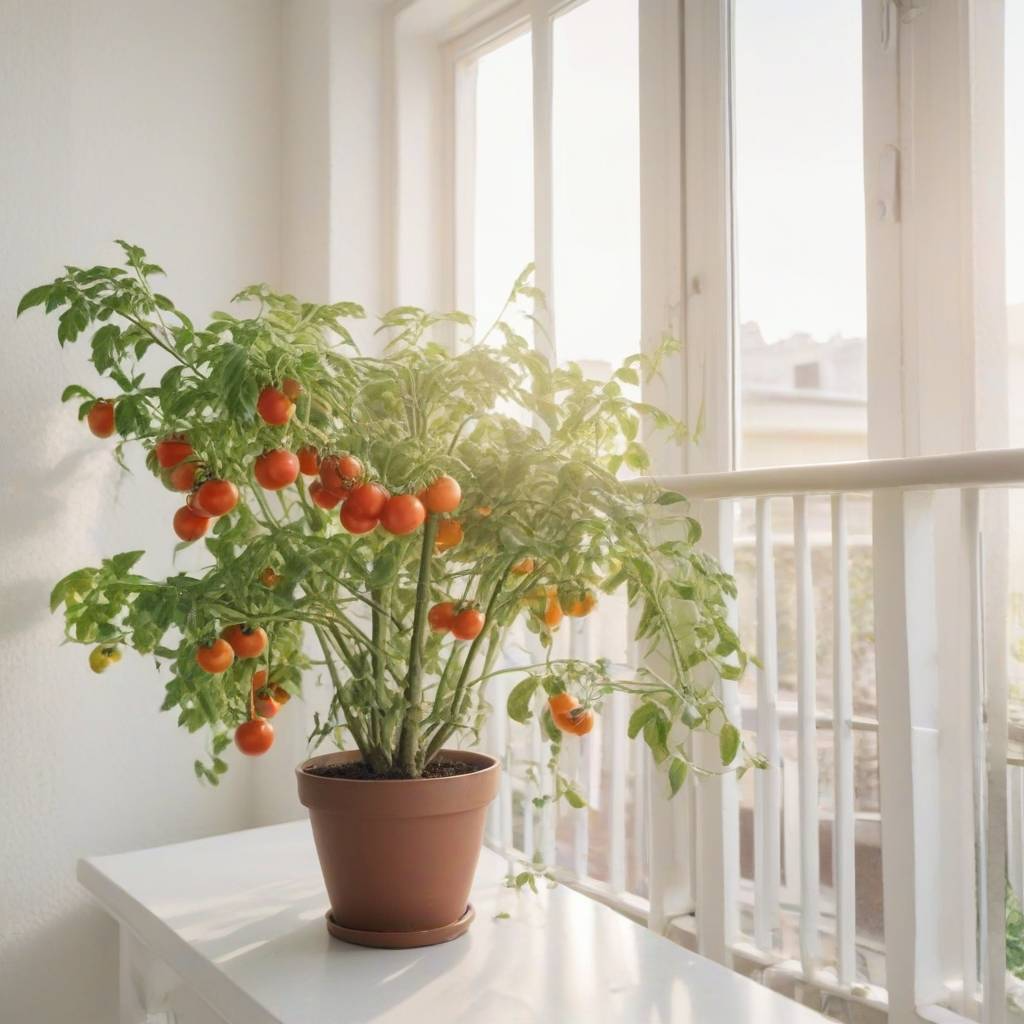
Growing tomatoes is also popular among gardeners, both outdoors and indoors. With the right conditions—plenty of sunlight, warmth, and water—they can thrive and produce a bountiful harvest. Varieties like Tiny Tim and Patio Princess are especially suited for indoor gardening, allowing even those with limited space to enjoy home-grown tomatoes. In summary, the tomato is a remarkable fruit that enriches our diets and cuisines. Whether you’re savoring a fresh tomato salad, a hearty tomato soup, or a homemade tomato sauce, this versatile fruit proves itself indispensable in the culinary world. lets Explore The Little world of tomatoes with Zardens
Choosing the Right Variety of Tomatoes for Indoor Gardening
Indoor gardening is a delightful way to enjoy fresh produce year-round, and tomatoes are one of the most rewarding plants to grow indoors. However, to ensure success, selecting the right variety is crucial. Not all tomatoes are created equal, especially when it comes to indoor cultivation. Let’s dive into the best varieties to bring a splash of summer to your indoor garden.
Why Variety Matters
Choosing the right tomato variety is like picking the perfect pair of shoes: the right fit makes all the difference. Indoor growing conditions differ significantly from outdoor ones. Space constraints, light availability, and container limitations all play a role in how well your tomatoes will thrive indoors. Here are some key factors to consider:
- Size Matters: Indoor spaces usually can’t accommodate sprawling vines. Opt for compact or dwarf varieties.
- Determinate vs. Indeterminate: Determinate varieties grow to a set height and produce all their fruit at once, making them easier to manage indoors.
- Fruit Size: Smaller fruiting varieties often perform better indoors, as they require less energy and space to mature.
Top Varieties for Indoor Gardening
1. Tiny Tim Tiny Tim is the poster child for indoor tomato growing. This dwarf variety reaches about 12-18 inches in height, making it perfect for small spaces. Despite its size, it produces a generous crop of bright red, cherry-sized tomatoes that are sweet and delicious.
2. Patio Princess If you’re looking for a tomato plant that doubles as a decorative plant, Patio Princess is your go-to. This compact variety grows about 18-24 inches tall and offers a continuous supply of small, flavorful tomatoes. It’s not just productive but also visually appealing, with a lush, bushy appearance.
3. Red Robin Red Robin is another excellent choice for indoor gardeners. This tiny dynamo grows only 8-12 inches tall but is prolific, yielding an abundance of small, red cherry tomatoes. It’s particularly well-suited to grow under artificial lights, making it a favorite among indoor gardening enthusiasts.
4. Yellow Canary For a splash of color, try Yellow Canary. This variety produces small, yellow tomatoes that are as sweet as they are eye-catching. Growing to about 12-15 inches, it fits perfectly on a sunny windowsill or under grow lights. The bright yellow fruit adds a cheerful touch to any indoor garden setup.
Tips for Success
- Light: Even the best varieties need plenty of light. Ensure your tomatoes get 14-18 hours of light daily, using grow lights if necessary.
- Watering: Keep the soil consistently moist but not waterlogged. Indoor conditions can dry out soil quickly, so regular checks are essential.
- Support: Despite their compact size, many dwarf varieties benefit from some support. Small stakes or cages can help keep plants upright and healthy.
Soil Basics: The Foundation of Your Tomato Success
No matter the variety, all tomatoes thrive in well-draining, nutrient-rich soil. Here’s a step-by-step guide to preparing the perfect soil mix for your tomato plants. Start with a soil test. This helps you understand the pH and nutrient levels of your soil. Tomatoes prefer a slightly acidic to neutral pH (6.0-7.0). Soil testing kits are available at garden centers or you can send a sample to a local extension service.
Amending the Soil
Based on your soil test results, you’ll need to amend your soil. Here’s what you’ll need:
- Organic Matter: Add compost or well-rotted manure to improve soil structure and fertility. Aim for about 3-4 inches mixed into the top 12 inches of soil.
- Adjusting pH: If your soil is too acidic, add lime. If it’s too alkaline, use sulfur or composted pine needles to lower the pH.
- Nutrients: Incorporate a balanced fertilizer. Look for one with an N-P-K ratio of around 5-10-10, which means it has more phosphorus and potassium to support fruit development.
Special Considerations for Different Varieties
Now, let’s tailor the soil prep for specific tomato types.
Determinate Tomatoes
These varieties need soil that supports rapid growth and fruiting over a short period. Focus on:
- Nutrient Density: Ensure the soil is rich in nutrients with plenty of compost.
- Consistency: Maintain even moisture levels to prevent blossom end rot, a common issue for determinate varieties.
Indeterminate Tomatoes
These long growers require a steady supply of nutrients and strong root support.
- Deep Soil: These varieties benefit from deeper soil prep. Dig down at least 18 inches to accommodate their extensive root systems.
- Ongoing Fertilization: Plan to side-dress with compost or a balanced fertilizer every few weeks to sustain their growth.
Heirloom Tomatoes
Heirlooms are often more sensitive and need a bit more TLC.
- Rich Organic Matter: Heirlooms thrive in soil loaded with organic matter. Use compost, leaf mold, and even aged manure.
- Mulching: Mulch heavily around heirlooms to retain moisture and regulate soil temperature.
Before planting, ensure the soil is loose and well-aerated. Avoid compacting the soil, as tomatoes need good drainage and root expansion.
Tailoring Light Requirements for Different Tomato Varieties
Growing tomatoes indoors is a gratifying adventure, but it comes with its unique set of challenges. One of the most crucial elements to get right is lighting. Different tomato varieties have different light needs, and understanding these can make the difference between a bountiful harvest and a disappointing crop. Let’s dive into the light requirements for various tomato varieties and how you can optimize your indoor garden for success.
The Basics of Tomato Lighting
Before we explore specific varieties, it’s important to understand why light is so essential for tomatoes. Tomatoes are sun-loving plants that thrive on ample light to produce energy through photosynthesis. This energy fuels their growth, flowering, and fruiting processes. When growing indoors, replicating the natural sunlight they crave is key to achieving healthy, productive plants.
Tiny Tim: The Compact Contender
Tiny Tim tomatoes are a favorite for indoor gardeners due to their compact size and prolific nature. These dwarf tomatoes only grow about 12-18 inches tall, making them perfect for windowsills or small spaces. Despite their size, they still demand a lot of light. Aim for:
- Light Duration: 14-16 hours per day
- Light Intensity: Medium to high intensity; LED grow lights positioned 2-4 inches above the plant work best.
Patio Princess: The Indoor Royalty
Patio Princess tomatoes are another excellent choice for indoor cultivation. These determinate plants stay manageable in size while offering a generous yield. To keep your Patio Princess thriving:
- Light Duration: 12-14 hours per day
- Light Intensity: Moderate intensity; a combination of natural light from a sunny window and supplemental LED grow lights can be effective.
Red Robin: The Cherry Champion
Red Robin tomatoes are beloved for their small, sweet cherry tomatoes and ease of growth indoors. These determinate plants are quite adaptable but still need sufficient light to produce their signature fruit:
- Light Duration: 14-16 hours per day
- Light Intensity: Medium intensity; place LED grow lights about 3-4 inches above the plants to ensure even light distribution.
Yellow Canary: The Bright Bloomer
Yellow Canary tomatoes are known for their vibrant yellow fruit and compact growth habit. These tomatoes bring a splash of color to any indoor garden and require:
- Light Duration: 14-16 hours per day
- Light Intensity: High intensity; LED grow lights positioned close to the plant (about 2-3 inches) will help maintain their bright, sunny hue.
Lighting Tips for Indoor Tomato Success
- Consistent Lighting Schedule: Use timers to maintain a consistent light schedule. This helps mimic the natural daylight cycle and promotes steady growth.
- Adjustable Lighting: As your tomato plants grow, adjust the height of your grow lights to keep them at the optimal distance. Too close, and you risk burning the plants; too far, and they may become leggy and weak.
- Light Quality: Full-spectrum LED grow lights are ideal as they provide a balance of red, blue, and other wavelengths that mimic natural sunlight and support all stages of growth.
- Reflective Surfaces: Enhance light efficiency by placing reflective materials like mylar or white surfaces around your plants. This helps bounce light back onto the plants, ensuring they receive as much light as possible.
Watering Different Tomato Varieties for Perfection
Tomatoes are the jewels of the garden, bursting with flavor and vibrant color. Whether you’re growing beefsteak, cherry, or heirloom varieties, watering is a critical factor that can make or break your harvest. Let’s dive into the art of watering different types of tomatoes, ensuring your plants thrive and produce the juiciest fruits.
Beefsteak Beauties: A Thirsty Affair
Beefsteak tomatoes are the giants of the tomato world, known for their large, meaty fruits. These hefty plants require consistent moisture to support their vigorous growth and fruit development.
Watering Tips:
- Frequency: Water beefsteak tomatoes deeply once or twice a week, ensuring the soil is evenly moist.
- Volume: Aim for about 1-1.5 inches of water per week, depending on the weather and soil type.
- Technique: Use a soaker hose or drip irrigation to deliver water directly to the roots, minimizing leaf wetness and reducing the risk of fungal diseases.
Cherry Tomatoes: Tiny Treasures with Big Needs
Cherry tomatoes, with their small size and explosive flavor, are a favorite for salads and snacking. Despite their petite fruits, these plants can be quite thirsty, especially in containers.
Watering Tips:
- Frequency: Cherry tomatoes prefer more frequent watering, about every 2-3 days, especially in hot weather.
- Volume: Ensure the soil stays consistently moist but not waterlogged. In containers, water until you see it draining out of the bottom.
- Technique: Mulch around the base of the plants to retain moisture and keep the soil cool.
Heirloom Varieties: The Delicate Balance
Heirloom tomatoes are prized for their unique flavors and colors. These varieties can be a bit finicky, and their watering needs vary slightly compared to hybrids.
Watering Tips:
- Frequency: Heirlooms benefit from consistent moisture, so water them deeply once a week.
- Volume: About 1 inch of water per week is usually sufficient, but adjust based on rainfall and temperature.
- Technique: Water early in the morning to allow foliage to dry during the day, reducing disease risk. Mulching is also beneficial to maintain soil moisture levels.
Container Tomatoes: Custom Care
Growing tomatoes in containers is a fantastic way to enjoy fresh produce even in limited space. However, containers dry out faster than garden soil, requiring more diligent watering.
Watering Tips:
- Frequency: Check the soil daily, and water thoroughly when the top inch feels dry.
- Volume: Water until it flows out of the drainage holes to ensure the entire root ball gets hydrated.
- Technique: Use self-watering containers if possible, which provide a steady moisture supply.
General Watering Wisdom
Regardless of the variety, there are some universal tips for watering tomatoes effectively:
- Consistency is Key: Irregular watering can lead to problems like blossom end rot and splitting fruit.
- Avoid Overhead Watering: Wet leaves can promote fungal diseases. Water at the base of the plant.
- Monitor the Weather: Adjust your watering schedule based on rainfall, humidity, and temperature.
Mastering Pruning and Support for Different Tomato Varieties
Tomatoes are a gardener’s delight, bursting with flavor and vibrant colors. But to truly get the best out of your tomato plants, understanding the nuances of pruning and support is crucial. Whether you’re growing indeterminate giants or compact determinate varieties, each type has its own set of needs. Let’s dive into the art of pruning and supporting your tomatoes to ensure a bountiful harvest!
Indeterminate Varieties: Reaching for the Sky
Indeterminate tomatoes, also known as vining tomatoes, can grow indefinitely, often reaching heights of 6-10 feet or more. These varieties, like ‘Beefsteak’, ‘Cherokee Purple’, and ‘Sungold’, need diligent pruning and sturdy support to thrive.
Pruning Tips for Indeterminate Tomatoes:
- Remove Suckers: These small shoots develop in the leaf axils (the point where the leaf stem meets the main stem). While some gardeners prefer to let a few suckers grow, removing most of them directs the plant’s energy into producing larger, juicier tomatoes.
- Top the Plant: Once the plant reaches the top of its support structure, pinch out the growing tip to encourage fruit ripening rather than further vertical growth.
Support Systems for Indeterminate Tomatoes:
- Stakes: Use tall, sturdy stakes (at least 6 feet) and tie the main stem loosely with garden twine as it grows.
- Cages: Opt for large, robust cages that can support the plant’s weight and allow for easy access to the fruit.
- Trellises: A-frame or vertical trellises provide excellent support and make harvesting a breeze.
Determinate Varieties: Compact and Contained
Determinate tomatoes, or bush tomatoes, such as ‘Roma’, ‘Celebrity’, and ‘Bush Early Girl’, grow to a fixed size, typically 3-4 feet tall. They produce fruit in a shorter, more concentrated period and require different pruning and support strategies.
Pruning Tips for Determinate Tomatoes:
- Minimal Pruning: Determinate varieties benefit from minimal pruning. Removing too many leaves or suckers can reduce your overall yield.
- Remove Lower Leaves: To improve air circulation and reduce disease risk, trim the leaves that touch the ground or appear yellowed and unhealthy.
Support Systems for Determinate Tomatoes:
- Cages: Standard tomato cages work well, providing adequate support without overbearing the compact plants.
- Stakes: Shorter stakes (3-4 feet) are sufficient. Tie the plants as they grow to keep them upright and prevent branches from breaking under the weight of the fruit.
Semi-Determinate Varieties: The Best of Both Worlds
Semi-determinate tomatoes, like ‘San Marzano’ and ‘Mountain Magic’, offer a blend of traits from both indeterminate and determinate varieties. They grow taller than determinate plants but are more manageable than their indeterminate counterparts.
Pruning Tips for Semi-Determinate Tomatoes:
- Moderate Pruning: Remove some suckers to prevent overcrowding and improve airflow but leave enough foliage to support the plant’s growth and fruiting.
Support Systems for Semi-Determinate Tomatoes:
- Medium Stakes or Cages: Use supports that are sturdy but not as tall as those required for indeterminate varieties. A combination of stakes and cages can provide excellent support.
Why Pruning and Support Matter
Proper pruning and support are not just about aesthetics; they significantly impact the health and productivity of your tomato plants. By pruning, you manage the plant’s energy, directing it towards fruit production rather than excessive foliage. Meanwhile, robust support systems prevent the plants from sprawling, reducing the risk of disease and making harvesting easier
Each tomato variety has unique needs, but with the right pruning and support strategies, you can optimize their growth and enjoy a delicious, abundant harvest. Experiment with different methods to see what works best in your garden, and watch your tomato plants flourish like never before. Happy gardening!
FRP Container Selection for Growing Tomatoes Indoors
Hello, fellow green thumbs! 🌱 If you’re anything like me, the sight of fresh, juicy tomatoes ripening indoors is nothing short of a miracle. Today, I’m diving into a crucial but often overlooked aspect of indoor tomato gardening: selecting the right FRP (Fiber Reinforced Plastic) containers for different tomato varieties. Let’s make sure your tomatoes get the perfect home they deserve!
Why FRP Containers?
Before we get into specifics, let’s talk about why FRP containers are a fantastic choice for growing tomatoes. These containers are lightweight yet incredibly durable, offering excellent resistance to weather and UV rays. Their non-porous surface prevents soil from drying out too quickly, and they’re available in a plethora of shapes and sizes to suit any indoor garden setup.
Matching Containers to Tomato Varieties
Dwarf Varieties (Tiny Tim, Red Robin)
Dwarf tomato plants are compact and bushy, making them perfect for smaller spaces. For these little gems, opt for FRP containers that are around 2-3 gallons. A cylindrical or square pot works well, providing enough root space without overwhelming your indoor garden.
- Recommended Size: 2-3 gallons
- Shape: Cylindrical or square
- Tip: Ensure good drainage with pre-drilled holes or add a layer of gravel at the bottom.
Determinate Varieties (Patio Princess, Celebrity)
Determinate tomatoes grow to a fixed mature size, usually around 3-4 feet tall. They need a bit more room to spread their roots but don’t require as much depth as indeterminate varieties. FRP containers that are 5-7 gallons are ideal for these types.
- Recommended Size: 5-7 gallons
- Shape: Round or rectangular
- Tip: Use a tomato cage or stakes to support the plant as it grows.
Indeterminate Varieties (Big Boy, Beefsteak)
These are the giants of the tomato world, continuously growing and producing fruit throughout the season. Indeterminate tomatoes need the largest containers you can manage indoors. Look for FRP containers that are at least 10 gallons or more.
- Recommended Size: 10+ gallons
- Shape: Deep and round
- Tip: Provide strong support with a trellis or sturdy cage. These plants will climb and sprawl, needing ample space to thrive.
Choosing the Right FRP Container Design
While size is the most critical factor, the design also plays a significant role in the health and productivity of your tomato plants. Here are a few design features to consider:
- Color: Lighter colors reflect heat, keeping the soil temperature regulated. Darker colors can absorb heat, which might be beneficial in cooler indoor environments.
- Mobility: Containers with wheels make it easy to move your plants to catch the best sunlight throughout the day.
Final Thoughts
Tomato Tales: Unraveling The Diversity of Tomato Varieties” highlights the rich variety of tomatoes, including heirlooms and hybrids, each offering unique flavors, colors, and uses. For successful cultivation, the guide emphasizes choosing the right planter, preferably FRP (Fiber Reinforced Plastic) due to its durability, lightweight nature, and resistance to weather. Key growing tips include selecting the appropriate tomato variety for your climate, ensuring proper sunlight, and maintaining soil health with regular watering and fertilizing. By combining these insights, gardeners can enhance their tomato-growing experience, achieving a bountiful and diverse harvest.
I hope this guide helps you pick the perfect FRP containers for your indoor tomato garden. Happy planting, and may your indoor space be filled with the delicious aroma of fresh tomatoes soon! Explore The Little world of tomatoes with Zardens
Until next time, happy gardening! 🌿🍅