Your cart is currently empty!
Category: Seasonal Fruits

“Manure for Plants: Nature’s Nutrient-Rich Gift”
Manure, a natural and sustainable fertilizer, offers unparalleled benefits for plant growth and soil health. Derived from animal waste, it provides essential nutrients that plants crave. Rich in nitrogen, phosphorus, and potassium, manure boosts plant vitality and productivity. Composting Manure for Plants transforms it into a more usable form, enhancing its nutrient availability and reducing potential pathogens.
Applying manure to your garden or farm improves soil structure, increases water retention, and promotes healthy root development. Manure’s organic matter fosters microbial activity, which aids in nutrient cycling and disease suppression. Different types of manure, like cow, horse, chicken, and rabbit, cater to various plant needs. For instance, chicken manure, high in nitrogen, suits leafy greens perfectly.
Embracing manure as a fertilizer supports sustainable agriculture and gardening practices. It recycles waste, reduces reliance on synthetic fertilizers, and nurtures the soil naturally. By understanding and utilizing manure’s full potential, gardeners and farmers can cultivate thriving, healthy plants while promoting environmental stewardship. Let’s explore Manure for Plants: Nature’s Nutrient-Rich Gift by Zardens.
Cow Manure
Cow manure is a well-balanced, nutrient-rich fertilizer highly valued in gardening and agriculture. It contains nitrogen, phosphorus, and potassium, which are essential for plant growth. Additionally, cow manure is rich in organic matter, which improves soil structure and water retention. Before application, compost cow manure to reduce its high moisture content and odor. Composting also kills any potential pathogens and weed seeds, making it safer for use. Cow manure is versatile and can be used for a wide range of plants, from vegetables to flowers. Its slow-release nature ensures a steady supply of nutrients throughout the growing season. Incorporate cow manure into the soil before planting, and it will support robust root development and vigorous growth.
Application Tips of Cow Manure
- Compost First: Compost cow manure before use. It reduces odor, kills pathogens, and improves nutrient availability for plants.
- Timing Matters: Apply composted manure in early spring or fall. It ensures nutrients are available when plants need them.
- Work into Soil: Incorporate manure into the topsoil. It prevents nutrient runoff, reduces odor, and improves soil structure.
- Avoid Fresh Manure: Fresh cow manure can burn plants. Always compost it to ensure safe application and optimal plant health.
- Uniform Application: Spread manure evenly. It ensures all plants receive adequate nutrients, promoting uniform growth across your garden.
- Use Appropriate Quantities: Apply the right amount. Too much manure can lead to nutrient imbalances and potential water pollution.
- Water After Application: Water the soil after applying manure. It helps nutrients penetrate the soil and reach plant roots efficiently.
- Monitor Soil pH: Regularly check soil pH. Cow manure can slightly alter pH levels, requiring occasional adjustments for optimal plant growth.
- Combine with Mulch: Use mulch alongside manure. It helps retain moisture, suppresses weeds, and further enriches the soil.
- Store Properly: Store unused manure in a covered, dry area. It prevents nutrient loss and contamination, ensuring it remains effective for future use.
Benefits
- Nutrient-Rich: Cow manure provides essential nutrients like nitrogen, phosphorus, and potassium, vital for healthy plant growth.
- Improves Soil Structure: It enhances soil texture, making it easier for roots to penetrate and access nutrients and water.
- Increases Microbial Activity: Manure boosts beneficial soil microbes. These microbes help break down organic matter and cycle nutrients.
- Enhances Water Retention: It improves soil’s ability to retain water, reducing the need for frequent watering and promoting plant health.
- Sustainable Fertilizer: Using cow manure recycles farm waste. It reduces the reliance on synthetic fertilizers, promoting sustainable gardening practices.
- Organic Matter Addition: Adds valuable organic matter to the soil. It improves soil fertility and supports long-term plant health.
- Cost-Effective: Often cheaper than synthetic fertilizers. It provides an economical solution for enhancing garden productivity.
- Reduces Soil Erosion: Enhances soil structure, which helps prevent erosion, maintaining soil integrity and promoting plant stability.
- Natural Weed Control: Properly composted cow manure can suppress weed growth, reducing competition for nutrients with your plants.
- Eco-Friendly: Environmentally friendly fertilizer option. It promotes healthy ecosystems and reduces the carbon footprint of gardening.
✒️ "In fields where crops aspire to grow,
Manure becomes the soil's best show.
Its richness feeds the hungry land,
Where plants stretch out their grateful hand"
Horse Manure
Horse manure is another excellent option for fertilizing plants, especially nitrogen-loving crops like corn and tomatoes. It is rich in nitrogen, which promotes leafy growth and overall plant vigor. However, horse manure often contains weed seeds, so composting is crucial to eliminate them. The composting process also stabilizes the nutrient content, making it more effective and safer for plants. Horse manure improves soil structure by increasing aeration and drainage, which is beneficial for heavy clay soils. Apply horse manure in the fall or early spring to allow it to break down before the growing season. This type of manure supports the healthy growth of garden plants, providing essential nutrients and improving soil health.
Application Tips of Horse Manure
Horse manure enriches garden soil with essential nutrients. Compost it first to kill weed seeds and pathogens effectively.
- Preparation: Mix horse manure with straw or bedding material for balanced composting. Turn the pile regularly for aeration.
- Composting Time: Allow the compost to mature for 6-12 months. This ensures nutrient availability and reduces potential plant burn.
- Soil Improvement: Incorporate composted horse manure into the topsoil. It improves soil structure, aeration, and moisture retention.
- Nutrient Boost: Horse manure is rich in nitrogen, which is essential for leafy plant growth. It’s ideal for heavy feeders like tomatoes.
- Application Timing: Apply manure in early spring or fall. This gives time for nutrients to integrate before planting season.
- Mulching: Use aged horse manure as mulch around plants. It suppresses weeds and gradually releases nutrients into the soil.
- Tea Preparation: Make manure tea by soaking horse manure in water. Use this liquid as a foliar spray for an immediate nutrient boost.
- Safety Precautions: Wear gloves when handling manure to prevent the spread of pathogens. Wash hands thoroughly after application.
- Odor Control: Properly composted horse manure has a reduced odor, making it pleasant to use in garden spaces.
- Eco-friendly: Using horse manure recycles waste, reducing reliance on synthetic fertilizers and supporting sustainable agriculture.
Benefits
Horse manure offers multiple advantages for gardeners. It boosts soil fertility and promotes healthy plant growth naturally.
- Nutrient-Rich: High in nitrogen, phosphorus, and potassium, horse manure provides essential nutrients for plants.
- Soil Structure: It improves soil texture, enhancing water retention and drainage capabilities simultaneously.
- Microbial Activity: Increases beneficial microbial populations in the soil, aiding in nutrient breakdown and disease suppression.
- Sustainable Practice: Recycles waste products into valuable soil amendments, reducing environmental impact and enhancing sustainability.
- Weed Control: When composted correctly, it suppresses weed growth, saving time and effort in garden maintenance.
- Plant Health: Encourages vigorous growth and higher yields in vegetables, fruits, and ornamental plants.
Using horse manure effectively enhances your garden’s productivity and sustainability, promoting a healthier environment for plants and soil.
- (no title)
- Lavender Gardening Basics
- “Manure for Plants: Nature’s Nutrient-Rich Gift”
- “King of Fruits” The Mango: India’s Golden Fruit
- “Landscaping The Art of Beautifying”
Our Latest Post 👆
Chicken Manure
Chicken manure is one of the most nutrient-dense fertilizers available, particularly high in nitrogen. This makes it ideal for plants that require a significant nitrogen boost, such as leafy greens and vegetables. However, fresh chicken manure can be too strong and may burn plants, so it must be composted before use. Composting chicken manure reduces its potency and makes the nutrients more readily available to plants. Additionally, the composting process kills harmful pathogens, ensuring the manure is safe for the garden. Once composted, chicken manure provides a quick-release source of nutrients that can significantly enhance plant growth. Apply it to the soil before planting or use it as a top dressing during the growing season for the best results.
Application Tips for Chicken Manure
- Composting: Always compost chicken manure before use. Fresh manure can burn plants due to high nitrogen content.
- Mix with Carbon-Rich Materials: Balance nitrogen by mixing manure with straw or leaves. This enhances composting and nutrient distribution.
- Apply in Fall: Spread composted manure in fall. This allows nutrients to integrate into the soil before spring planting.
- Use as a Soil Amendment: Incorporate composted chicken manure into garden soil to improve texture, fertility, and microbial activity.
- Liquid Manure: Create manure tea by soaking chicken manure in water. Dilute the liquid before using it as a foliar spray.
- Avoid Direct Contact: Keep manure away from plant stems and leaves. Direct contact can harm delicate plant tissues.
- Regular Testing: Test soil regularly to monitor nutrient levels. Adjust manure application based on soil test results.
- Moderation: Use chicken manure sparingly. Over-application can lead to nutrient imbalances and potential environmental issues.
- Safety Precautions: Wear gloves and wash hands thoroughly after handling chicken manure. This prevents potential health risks.
- Even Distribution: Spread manure evenly across the garden. Uneven application can cause nutrient hotspots and plant stress.
Benefits
- Nutrient-Rich: Chicken manure provides essential nutrients like nitrogen, phosphorus, and potassium, promoting vigorous plant growth.
- Improves Soil Structure: Adds organic matter, enhancing soil texture, aeration, and water retention.
- Boosts Microbial Activity: Stimulates beneficial soil microbes that aid in nutrient cycling and disease suppression.
- Sustainable Fertilizer: Recycles waste from poultry farming, reducing reliance on synthetic fertilizers and promoting sustainability.
- Enhances Plant Health: Provides a balanced nutrient profile, resulting in healthier, more resilient plants.
- Increases Yield: Consistent use of chicken manure leads to higher crop yields and improved garden productivity.
- Organic Gardening: Ideal for organic gardening practices, aligning with natural and eco-friendly farming methods.
- Cost-Effective: Readily available and cost-effective, especially if sourced from local poultry farms.
- Environmentally Friendly: Reduces chemical runoff and pollution, supporting a healthier ecosystem.
- Long-Lasting Effects: Improves soil health over time, providing lasting benefits for future planting seasons.
Rabbit Manure
Rabbit manure stands out as an exceptional fertilizer due to its high nutrient content and ease of use. Unlike other manures, rabbit manure can be applied fresh without composting, as it does not burn plants. It is rich in nitrogen, phosphorus, and potassium, essential for healthy plant growth. Rabbit manure also contains beneficial microorganisms that enhance soil fertility and promote plant health. Its pellet form makes it easy to handle and spread evenly in the garden. Apply rabbit manure directly to the soil around plants or mix it into compost for added benefits. Its quick-release nature ensures that plants receive an immediate nutrient boost, supporting vigorous growth and abundant yields.
Application Tips of Rabbit Manure
- Direct Use: Rabbit manure can be applied directly to plants without composting. It won’t burn plant roots.
- Composting: Mix rabbit manure with kitchen scraps and yard waste. This speeds up the composting process.
- Mulching: Spread rabbit manure around the base of plants. It conserves moisture and suppresses weeds effectively.
- Soil Amendment: Work rabbit manure into the soil. This improves soil structure and nutrient content.
- Manure Tea: Steep rabbit manure in water for a nutrient-rich liquid fertilizer. Use it for foliar feeding.
Benefits
- High Nitrogen: Rabbit manure is rich in nitrogen, which promotes leafy green growth and overall plant health.
- Balanced Nutrients: It provides balanced nutrients, including phosphorus and potassium, essential for flowering and root development.
- Improves Soil Texture: Adds organic matter, improving soil aeration and water retention. It makes heavy soils more workable.
- Enhances Microbial Activity: Rabbit manure boosts beneficial microbial activity. This helps decompose organic matter and cycle nutrients.
- Sustainable Fertilizer: Rabbit manure is a renewable resource, reducing the need for synthetic fertilizers. It supports organic gardening practices.
Rabbit manure is a gardener’s best friend. Its direct application, composting benefits, and nutrient-rich profile make it ideal for improving soil and plant health. Use rabbit manure to enhance your garden’s productivity, foster sustainable practices, and enjoy lush, healthy plants year-round. Whether you’re mulching, making manure tea, or enriching soil, rabbit manure is your go-to organic fertilizer.
🌱“From humble dung to nature’s gift,
Manure’s worth gives crops a lift.
With every spread upon the earth,
Plants thrive in their green rebirth.“Green Manure
Green manure is a practice where specific plants are grown and then plowed back into the soil to improve fertility and structure. It enriches soil with organic matter, enhances nutrient levels, suppresses weeds, and promotes beneficial microbial activity. This sustainable technique fosters healthier crops and reduces the need for synthetic fertilizers.
Application
- Plant Selection: Choose nitrogen-fixing legumes like clover, alfalfa, or vetch for their ability to add nitrogen to the soil.
- Crop Rotation: Incorporate green manure crops into rotation schedules to break pest and disease cycles.
- Timing: Sow green manure in fall or early spring, allowing time for growth before incorporation.
Benefits
- Soil Enrichment: Green manure adds organic matter, enhancing soil structure and water retention.
- Nutrient Boost: Nitrogen-fixing plants increase soil nitrogen levels, reducing the need for synthetic fertilizers.
- Weed Suppression: Dense growth of green manure crops shades out weeds, minimizing weed competition.
- Erosion Control: Root systems of green manure plants help prevent soil erosion, especially on sloping land.
- Cost Savings: Reduces reliance on external inputs like fertilizers, promoting economic sustainability.
Green manure presents a win-win solution, enriching soil fertility while minimizing environmental impact and production costs. Embracing this practice signifies a step towards sustainable agriculture and a greener future.
Manure is organic, enhancing soil fertility and structure while promoting microbial activity, crucial for plant growth. It contains a diverse array of nutrients, including nitrogen, phosphorus, and potassium, in forms readily available to plants. Unlike synthetic fertilizers, manure improves soil health, reduces erosion, and increases water retention, leading to sustainable agriculture practices. Additionally, manure recycles organic waste, reducing environmental pollution and greenhouse gas emissions. Its use aligns with organic farming principles, supporting biodiversity and ecosystem resilience. Ultimately, choosing manure fosters healthier soils, promotes long-term sustainability, and contributes to a more balanced and resilient agricultural system.
comparison chart detailing the characteristics
Characteristic Cow Manure Horse Manure Chicken Manure Rabbit Manure Nutrient Content Moderate levels of nitrogen, phosphorus, and potassium. Rich in organic matter. Similar nutrient composition to cow manure, but may vary depending on diet. High in nitrogen, phosphorus, and potassium. High in nitrogen and phosphorus, lower in potassium. Rich in organic matter. Odor Moderate to strong odor, especially when fresh. Strong odor, especially when fresh. Strong odor, especially when fresh. Minimal odor, especially when compared to other manures. Texture Usually moist and clumped, may contain bedding material. Variable texture depending on bedding and diet. Often contains straw or wood shavings. Often dry and granular, mixed with chicken bedding. Usually dry and granular, mixed with hay or straw. pH Level Slightly alkaline. Slightly acidic to neutral. Variable, can be slightly acidic. Slightly acidic. Decomposition Rate Moderate. Moderate to fast. Fast. Fast. Application Requires composting or aging before use to prevent burning plants due to high nitrogen content. Requires composting or aging, but can be applied fresh in small amounts. Can be applied fresh or composted. Can be applied fresh or composted. Weed Seeds May contain some weed seeds, depending on feed and composting process. May contain weed seeds if not composted properly. May contain weed seeds. Generally free of weed seeds. Pathogens May contain pathogens such as E. coli and Salmonella, but composting reduces the risk. May contain pathogens, particularly if not composted properly. May contain pathogens such as E. coli and Salmonella, composting is essential. Less likely to contain harmful pathogens compared to other manures. This chart should give you a comprehensive overview of the characteristics of cow, horse, chicken, and rabbit manure, aiding in decision-making for agricultural or gardening purposes. Let’s explore Manure for Plants: Nature’s Nutrient-Rich Gift by Zardens.
Subscribe to Zardens newsletter!
[newsletter_form type=”minimal”]“King of Fruits” The Mango: India’s Golden Fruit
"Life is like a mango; it's sweetest when you savor every moment, even the ones with a hint of tanginess."
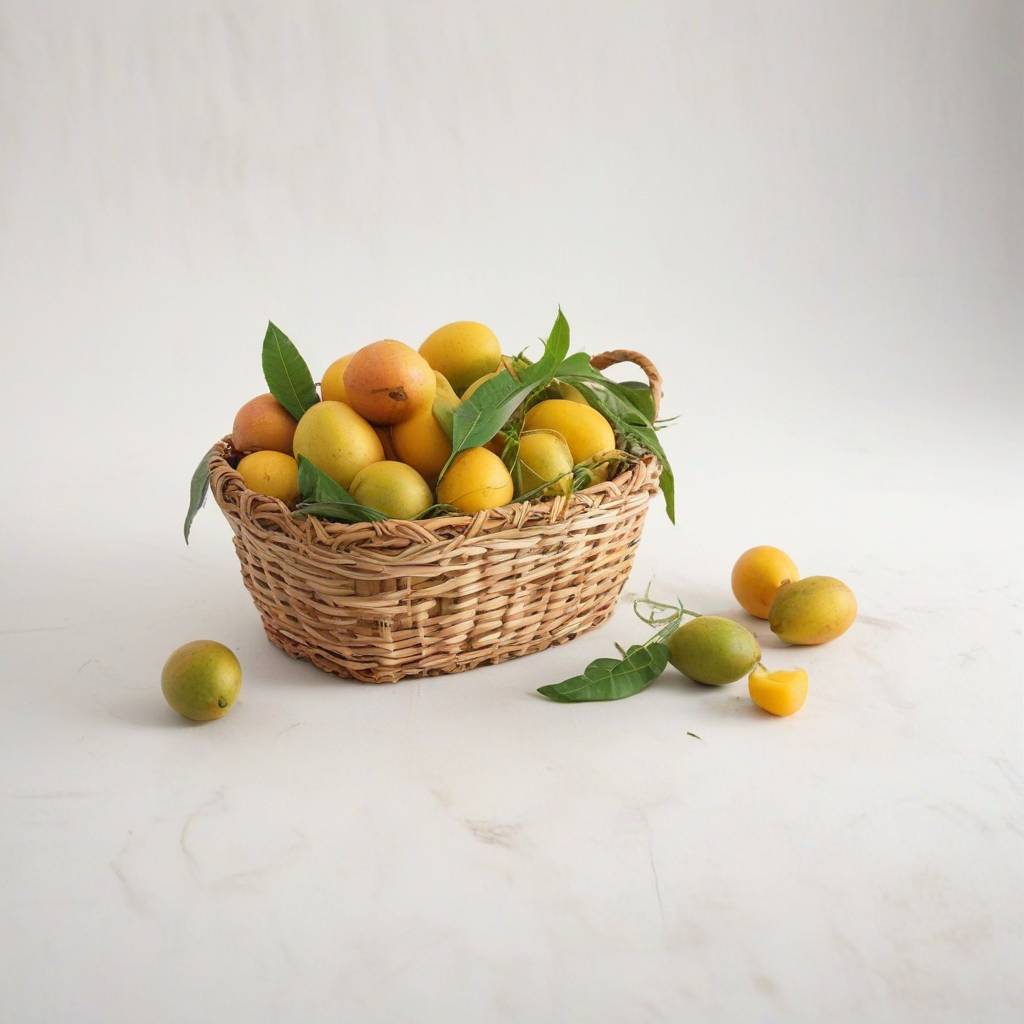
The mango, often hailed as the “King of Fruits,” is a golden delight synonymous with Indian culture and heritage. India, often hailed as the land of mangoes, India’s Golden Fruit, boasts an impressive diversity of this luscious fruit. Mangoes, scientifically known as Mangifera indica, have been a symbol of prosperity, health, and indulgence in Indian culture for centuries. This comprehensive guide delves into the varieties, tastes, colors, climatic conditions for growth, benefits, uses, and preservation techniques of mangoes, ensuring you appreciate this king of fruits in all its glory. The mango’s journey from its origins in South Asia to its status as a globally beloved fruit is a testament to its versatility and appeal. Its history is deep and Sweet, Let’s explore it with Zardens.
Origins and Early History
- Ancient Beginnings: Mangoes (Mangifera indica) are believed to have originated in the region of South Asia. Specially in the areas of modern day India, Bangladesh, and Myanmar. Historical evidence suggests that mangoes have been cultivated in India for over 4,000 years.
- Religious and Cultural Significance: In Hindu mythology, mangoes are associated with the gods and are considered a symbol of love and prosperity. The mango tree and its fruit are often mentioned in ancient Indian scriptures and texts.
Spread Across Asia
- Buddhist Influence: Buddhist monks are credited with introducing mangoes to other parts of Asia around the 4th and 5th centuries BC. They carried mango seeds with them as they traveled to places like Malaysia, the Philippines, and China.
- Persian and Mughal Empires: The mango was a favorite fruit of the Persian and Mughal empires. In the 16th century, the Mughal Emperor Akbar is said to have planted over 100,000 mango trees in an orchard named Lakhi Bagh in eastern India.
Introduction to Africa and the Middle East
- Arab Traders: By the 10th century, Arab traders had introduced mangoes to the Middle East and East Africa. They played a significant role in the spread of the fruit through their extensive trade networks.
European Exploration and Colonial Influence
- Portuguese Arrival: The Portuguese, upon arriving in India in the 15th century, were captivated by the mango. They played a crucial role in introducing the Mango fruit to other parts of the world. Which are Brazil and West Africa, during their colonial expeditions.
- Cultivation in the Americas: Mangoes were introduced to the Caribbean and Central America in the 18th century, primarily by the Portuguese and later by the Spanish.
Modern Cultivation and Global Spread
- 19th Century Onwards: In the 19th and 20th centuries, mangoes were introduced to the United States, particularly in Florida and Hawaii, as well as to other parts of the world like Australia and South Africa. Today, mangoes are grown in tropical and subtropical regions worldwide.
- Global Popularity: Mangoes are now one of the most widely cultivated fruits in the tropics. India remains the largest producer of mangoes, but countries like China, Thailand, Indonesia, and Mexico also contribute significantly to global production.
Cultural Impact
- Culinary Uses: Mangoes are enjoyed in various forms – fresh, dried, in juices, and as part of numerous culinary dishes ranging from salads to desserts. Mango chutney, aam panna (a traditional Indian drink), and mango lassi (a popular yogurt-based beverage) are just a few examples.
- Symbolism: The mango continues to be an important cultural and religious symbol in many countries. It features prominently in art, literature, and festivals, symbolizing love, fertility, and prosperity.
Subscribe to our newsletter!
[newsletter_form type=”minimal” button_color=”#F39C12″]Variety: A Rainbow of Mangoes
India is home to over a thousand varieties of mangoes, each with its unique flavor, texture, and aroma. Some of the most famous varieties include Alphonso, Kesar, Dasheri, Langra, and Himsagar.
Alphonso (Hapus): Known as the king of mangoes, Alphonso is cherished for its rich, creamy texture and sweet, fragrant flavor. Predominantly grown in Maharashtra, it has a vibrant saffron-colored flesh.
Kesar: Aptly named after the precious saffron spice, Kesar mangoes have a distinct sweet and tangy flavor. This variety, primarily grown in Gujarat, is celebrated for its bright orange flesh and heavenly aroma.
Dasheri: Originating from the northern state of Uttar Pradesh, Dasheri mangoes are elongated with a greenish-yellow skin. They are known for their sweet and slightly tangy taste, making them a favorite for desserts and juices.
Langra: This variety is famous in North India, particularly in Varanasi. Langra mangoes have a greenish skin even when ripe and a deliciously sweet and fibrous pulp.
Himsagar: Grown in West Bengal and Odisha, Himsagar mangoes are fiberless and extremely sweet. Their bright yellow flesh makes them perfect for eating fresh and making into purees.
Each of these varieties contributes to the vast mosaic of flavors and textures that mango lovers across India enjoy.
Taste and Color: A Sensory Delight
The taste and color of mangoes can vary significantly depending on the variety and region. Most mangoes have a combination of sweetness and tanginess, but the intensity of these flavors can differ.
Taste: Alphonso mangoes, for instance, are known for their ultra-sweet and buttery taste, making them a premium choice. On the other hand, Langra mangoes have a subtle tartness that balances their sweetness, providing a refreshing contrast. The fibrous texture of Dasheri mangoes offers a chewy delight, while the juicy, melting flesh of Kesar and Himsagar mangoes make them a juicy indulgence.
Color: The color spectrum of mangoes ranges from deep green to golden yellow to fiery orange. Alphonso mangoes are notable for their bright saffron hue, while Kesar mangoes boast a rich orange color. Dasheri and Langra mangoes maintain a greenish exterior even when ripe, hiding the vibrant yellow or orange flesh within. This visual appeal adds to the sensory experience of eating a mango, making it a feast for the eyes as well as the palate.
Mangoes not only tantalize the taste buds but also offer a visual treat with their diverse colors and shapes, enhancing the overall experience of enjoying this fruit.
Out Latest Posts!
Climatic Conditions: The Perfect Environment
Mangoes thrive in tropical and subtropical climates, with India providing the ideal conditions for their cultivation. These conditions include:
Temperature: Mango trees flourish in temperatures ranging between 24°C to 30°C. They require a warm climate to produce the best fruit, as extreme cold can damage the trees.
Rainfall: Mangoes need moderate to heavy rainfall, typically between 75 cm to 250 cm annually. However, they also require a dry period during the flowering stage to ensure good fruit set and development.
Soil: The trees prefer well-drained loamy or alluvial soil, rich in organic matter. Good drainage is crucial to prevent waterlogging, which can harm the roots.
Sunlight: Full sun exposure is essential for the healthy growth of mango trees. They need plenty of sunlight to produce the energy required for flowering and fruiting.
Regions like Maharashtra, Gujarat, Uttar Pradesh, West Bengal, and Andhra Pradesh provide these optimal conditions, making them prominent mango-growing areas in India. The interplay of these climatic factors ensures that Indian mangoes are of superior quality, known for their unparalleled taste and texture.
Health Benefits: A Nutritional Powerhouse
Mangoes are not just delicious but also packed with nutrients and health benefits. Here are some of the key health advantages of consuming mangoes:
Rich in Vitamins: Mangoes are an excellent source of vitamins, particularly Vitamin C and Vitamin A. Vitamin C helps boost the immune system, while Vitamin A is crucial for eye health and skin.
Antioxidants: Mangoes contain powerful antioxidants like beta-carotene, quercetin, and astragalin. These antioxidants help neutralize free radicals, reducing the risk of chronic diseases and promoting overall health.
Fiber Content: The high fiber content in mangoes aids in digestion and helps prevent constipation. Dietary fiber is also beneficial for maintaining a healthy weight and reducing the risk of heart disease.
Hydration: Mangoes have a high water content, making them an excellent fruit for hydration. Consuming mangoes can help replenish fluids and electrolytes, especially during the hot summer months.
Skin Health: The vitamins and antioxidants in mangoes contribute to healthy, glowing skin. They can help reduce acne, delay signs of aging, and improve overall skin texture.
Eye Health: Mangoes are rich in beta-carotene and Vitamin A, both of which are essential for maintaining good vision and preventing night blindness and dry eyes.
Cancer Prevention: The antioxidants in mangoes, particularly quercetin, isoquercitrin, astragalin, fisetin, gallic acid, and methylgallat, have been shown to have cancer-preventing properties.
Boosts Immunity: The high levels of Vitamin C, A, and carotenoids in mangoes help strengthen the immune system, protecting against infections and illnesses.
Incorporating mangoes into your diet can provide a sweet and nutritious boost to your health, making them a perfect choice for a balanced diet.
Uses: Culinary and Beyond
Mangoes are incredibly versatile and find their way into various culinary creations and other uses. Here are some popular ways mangoes are utilized:
Fresh Consumption: The simplest and most popular way to enjoy mangoes is by eating them fresh. Sliced, diced, or just bitten into, fresh mangoes are a delightful treat.
Mango Juice: Mango juice is a refreshing drink, especially popular in the summer. It can be enjoyed on its own or mixed with other fruits and beverages.
Aamras: A traditional Indian delicacy, Aamras is a pulp made from ripe mangoes, often served with puris or chapatis. It is a staple in Gujarati and Maharashtrian cuisine.
Lassi of Mango: This popular Indian drink combines yogurt, mango pulp, and sugar, creating a sweet and tangy beverage that’s perfect for cooling down on a hot day.
Pickle from Mango: Raw mangoes are often used to make tangy and spicy pickles, which are a common accompaniment to Indian meals.
Mango Chutney: Mango chutney is a sweet and spicy condiment made from ripe or raw mangoes, sugar, and spices. It’s a versatile addition to many dishes.
Desserts: Mangoes are a popular ingredient in desserts like ice creams, sorbets, puddings, and cakes. They add a natural sweetness and vibrant color to any dessert.
Salads: Mangoes can add a tropical twist to salads, pairing well with other fruits, vegetables, and proteins.
Culinary Uses: Beyond these traditional uses, mangoes are also used in salsas, marinades, and sauces, adding a sweet and tangy flavor to various dishes.
Cosmetics: The nutrients in mangoes, particularly Vitamin C and antioxidants, make them valuable in skincare products. Mango extracts are used in face masks, creams, and lotions to promote healthy, glowing skin.
The versatility of mangoes makes them a beloved ingredient in kitchens and beyond, showcasing their immense popularity and utility.
Preservation Techniques: Keeping Mangoes Fresh
Preserving mangoes ensures that you can enjoy their delightful taste and nutritional benefits even when they are out of season. Here are some effective preservation techniques:
Refrigeration: Ripe mangoes can be stored in the refrigerator for up to a week. Place them in a plastic bag or airtight container to retain their moisture and freshness.
Freezing: Mangoes can be frozen for long-term storage. Peel and slice the mangoes, then spread the pieces on a baking sheet and freeze until solid. Transfer the frozen mango pieces to a freezer bag or container. Frozen mangoes can be used in smoothies, desserts, and sauces.
Canning: Mangoes can be canned in syrup or as a puree. Sterilize canning jars, fill them with mango slices or puree, and cover with a sugar syrup or water. Process the jars in a hot water bath to ensure they are sealed properly. Canned mangoes can last up to a year.
Drying: Dried mango slices make a delicious and portable snack. Slice the mangoes thinly and lay them on a drying rack or dehydrator. Dry them until they are leathery but still slightly pliable. Store the dried mangoes in an airtight container in a cool, dry place.
Pickling: Mango pickles can be stored for months and add a tangy, spicy flavor to meals. The pickling process involves marinating raw mango pieces in a mixture of spices, salt, and oil, then storing them in sterilized jars.
Mango Growing: An Overview
Mango growing is a vibrant and rewarding agricultural endeavor, deeply rooted in tropical and subtropical regions worldwide. Known as the “king of fruits,” the mango (Mangifera indica) offers not only economic benefits but also nutritional and cultural significance. Successful mango cultivation requires an understanding of the tree’s biological needs, climate requirements, soil conditions, and effective pest and disease management.
Climate and Soil Requirements
Mango trees thrive in warm climates with a distinct dry season to induce flowering. They prefer temperatures between 24°C and 30°C, although they can tolerate higher temperatures. Frost is detrimental, often causing significant damage to flowers and young fruits. Therefore, regions with minimal risk of frost are ideal. Mangoes grow best in well-drained sandy loam soils rich in organic matter, with a pH range of 5.5 to 7.5. Poor drainage can lead to root rot, so proper soil preparation and site selection are critical.
Planting and Care
Propagation is commonly done through grafting to ensure quality and uniformity in fruit production. Seedlings are typically raised in nurseries before being transplanted to the field. Planting should be done at the onset of the rainy season to ensure adequate water supply during the initial growth phase. Spacing between trees is crucial, with recommended distances varying based on the variety and rootstock, usually between 8 to 10 meters apart to allow sufficient sunlight and air circulation.
Regular care involves watering, especially during dry spells, and mulching to retain soil moisture and control weeds. Fertilization is essential, particularly nitrogen, phosphorus, and potassium, applied at different growth stages. Pruning helps maintain tree shape, remove dead or diseased branches, and improve air circulation, which is crucial in reducing fungal diseases.
Pest and Disease Management
Mango trees are susceptible to various pests and diseases, including mango hoppers, mealybugs, and anthracnose. Integrated pest management (IPM) strategies, combining biological control, chemical treatments, and cultural practices, are effective in mitigating these challenges. Regular monitoring and timely interventions can significantly reduce crop losses.
Harvesting and Post-Harvest Handling
Mangoes are typically harvested when they reach physiological maturity but are not fully ripe. This practice ensures they ripen evenly during transport and storage. Post-harvest handling includes careful harvesting to avoid bruising, cleaning, sorting, and packaging. Proper storage conditions, with temperatures around 13°C, help prolong shelf life and maintain fruit quality. Let’s explore it with Zardens.
“The mango tree, with its branches spread out in all directions, looks like the hands of a dancer, adorned with the ornaments of flowers and fruits.”
✒️- Rabindranath Tagore
Subscribe to our newsletter!
[newsletter_form type=”minimal” button_color=”#16A085″]“Tomato Tales, Unraveling The Diversity of Tomato Varieties”
Tomatoes🍅 , often mistaken for vegetables, are actually fruits belonging to the nightshade family. Originating from South America, they have journeyed across the globe, becoming a staple in various cuisines due to their versatility and rich nutritional profile. One of the most fascinating aspects of tomatoes is their variety. From the tiny cherry tomatoes that burst with sweetness to the large beefsteaks perfect for sandwiches, there’s a type for every culinary need. Varieties like Roma are ideal for sauces, while heirlooms, with their unique colors and flavors, are often featured in salads and gourmet dishes.
Nutritionally, tomatoes are powerhouses. They are rich in vitamins A and C, potassium, and folate. Their vibrant red color comes from lycopene, a powerful antioxidant linked to numerous health benefits, including reduced risk of heart disease and cancer. Lycopene is more easily absorbed by the body when tomatoes are cooked, making dishes like tomato sauce not just tasty but also highly nutritious. Tomatoes are incredibly versatile in the kitchen. They can be eaten raw, cooked, or dried. Fresh tomatoes are perfect for salads, salsas, and sandwiches. Cooked, they form the base of countless sauces, soups, and stews. Sun-dried tomatoes add a burst of concentrated flavor to various dishes. Their umami-rich profile enhances the taste of many foods, making them a favorite among chefs and home cooks alike.
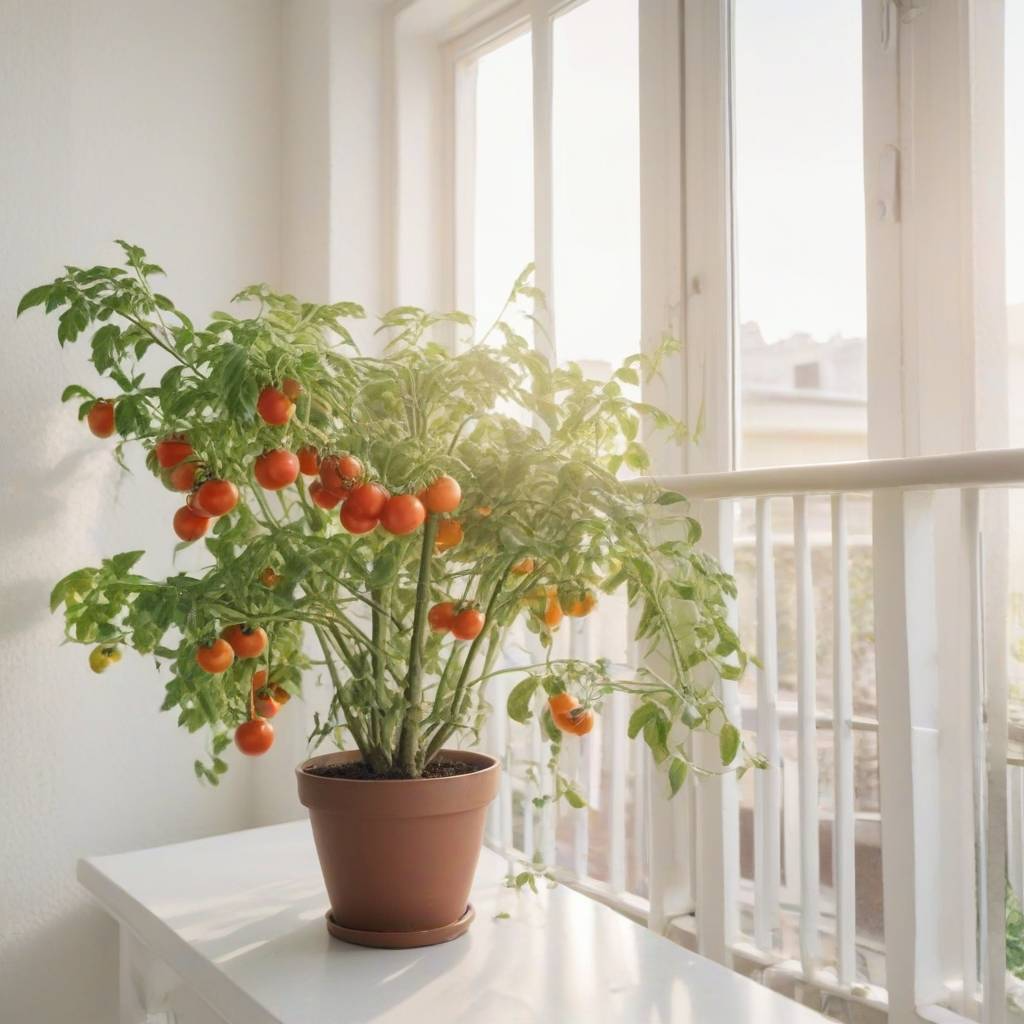
Growing tomatoes is also popular among gardeners, both outdoors and indoors. With the right conditions—plenty of sunlight, warmth, and water—they can thrive and produce a bountiful harvest. Varieties like Tiny Tim and Patio Princess are especially suited for indoor gardening, allowing even those with limited space to enjoy home-grown tomatoes. In summary, the tomato is a remarkable fruit that enriches our diets and cuisines. Whether you’re savoring a fresh tomato salad, a hearty tomato soup, or a homemade tomato sauce, this versatile fruit proves itself indispensable in the culinary world. lets Explore The Little world of tomatoes with Zardens
Choosing the Right Variety of Tomatoes for Indoor Gardening
Indoor gardening is a delightful way to enjoy fresh produce year-round, and tomatoes are one of the most rewarding plants to grow indoors. However, to ensure success, selecting the right variety is crucial. Not all tomatoes are created equal, especially when it comes to indoor cultivation. Let’s dive into the best varieties to bring a splash of summer to your indoor garden.
Why Variety Matters
Choosing the right tomato variety is like picking the perfect pair of shoes: the right fit makes all the difference. Indoor growing conditions differ significantly from outdoor ones. Space constraints, light availability, and container limitations all play a role in how well your tomatoes will thrive indoors. Here are some key factors to consider:
- Size Matters: Indoor spaces usually can’t accommodate sprawling vines. Opt for compact or dwarf varieties.
- Determinate vs. Indeterminate: Determinate varieties grow to a set height and produce all their fruit at once, making them easier to manage indoors.
- Fruit Size: Smaller fruiting varieties often perform better indoors, as they require less energy and space to mature.
Top Varieties for Indoor Gardening
1. Tiny Tim Tiny Tim is the poster child for indoor tomato growing. This dwarf variety reaches about 12-18 inches in height, making it perfect for small spaces. Despite its size, it produces a generous crop of bright red, cherry-sized tomatoes that are sweet and delicious.
2. Patio Princess If you’re looking for a tomato plant that doubles as a decorative plant, Patio Princess is your go-to. This compact variety grows about 18-24 inches tall and offers a continuous supply of small, flavorful tomatoes. It’s not just productive but also visually appealing, with a lush, bushy appearance.
3. Red Robin Red Robin is another excellent choice for indoor gardeners. This tiny dynamo grows only 8-12 inches tall but is prolific, yielding an abundance of small, red cherry tomatoes. It’s particularly well-suited to grow under artificial lights, making it a favorite among indoor gardening enthusiasts.
4. Yellow Canary For a splash of color, try Yellow Canary. This variety produces small, yellow tomatoes that are as sweet as they are eye-catching. Growing to about 12-15 inches, it fits perfectly on a sunny windowsill or under grow lights. The bright yellow fruit adds a cheerful touch to any indoor garden setup.
Tips for Success
- Light: Even the best varieties need plenty of light. Ensure your tomatoes get 14-18 hours of light daily, using grow lights if necessary.
- Watering: Keep the soil consistently moist but not waterlogged. Indoor conditions can dry out soil quickly, so regular checks are essential.
- Support: Despite their compact size, many dwarf varieties benefit from some support. Small stakes or cages can help keep plants upright and healthy.
Soil Basics: The Foundation of Your Tomato Success
No matter the variety, all tomatoes thrive in well-draining, nutrient-rich soil. Here’s a step-by-step guide to preparing the perfect soil mix for your tomato plants. Start with a soil test. This helps you understand the pH and nutrient levels of your soil. Tomatoes prefer a slightly acidic to neutral pH (6.0-7.0). Soil testing kits are available at garden centers or you can send a sample to a local extension service.
Amending the Soil
Based on your soil test results, you’ll need to amend your soil. Here’s what you’ll need:
- Organic Matter: Add compost or well-rotted manure to improve soil structure and fertility. Aim for about 3-4 inches mixed into the top 12 inches of soil.
- Adjusting pH: If your soil is too acidic, add lime. If it’s too alkaline, use sulfur or composted pine needles to lower the pH.
- Nutrients: Incorporate a balanced fertilizer. Look for one with an N-P-K ratio of around 5-10-10, which means it has more phosphorus and potassium to support fruit development.
Special Considerations for Different Varieties
Now, let’s tailor the soil prep for specific tomato types.
Determinate Tomatoes
These varieties need soil that supports rapid growth and fruiting over a short period. Focus on:
- Nutrient Density: Ensure the soil is rich in nutrients with plenty of compost.
- Consistency: Maintain even moisture levels to prevent blossom end rot, a common issue for determinate varieties.
Indeterminate Tomatoes
These long growers require a steady supply of nutrients and strong root support.
- Deep Soil: These varieties benefit from deeper soil prep. Dig down at least 18 inches to accommodate their extensive root systems.
- Ongoing Fertilization: Plan to side-dress with compost or a balanced fertilizer every few weeks to sustain their growth.
Heirloom Tomatoes
Heirlooms are often more sensitive and need a bit more TLC.
- Rich Organic Matter: Heirlooms thrive in soil loaded with organic matter. Use compost, leaf mold, and even aged manure.
- Mulching: Mulch heavily around heirlooms to retain moisture and regulate soil temperature.
Before planting, ensure the soil is loose and well-aerated. Avoid compacting the soil, as tomatoes need good drainage and root expansion.
Tailoring Light Requirements for Different Tomato Varieties
Growing tomatoes indoors is a gratifying adventure, but it comes with its unique set of challenges. One of the most crucial elements to get right is lighting. Different tomato varieties have different light needs, and understanding these can make the difference between a bountiful harvest and a disappointing crop. Let’s dive into the light requirements for various tomato varieties and how you can optimize your indoor garden for success.
The Basics of Tomato Lighting
Before we explore specific varieties, it’s important to understand why light is so essential for tomatoes. Tomatoes are sun-loving plants that thrive on ample light to produce energy through photosynthesis. This energy fuels their growth, flowering, and fruiting processes. When growing indoors, replicating the natural sunlight they crave is key to achieving healthy, productive plants.
Tiny Tim: The Compact Contender
Tiny Tim tomatoes are a favorite for indoor gardeners due to their compact size and prolific nature. These dwarf tomatoes only grow about 12-18 inches tall, making them perfect for windowsills or small spaces. Despite their size, they still demand a lot of light. Aim for:
- Light Duration: 14-16 hours per day
- Light Intensity: Medium to high intensity; LED grow lights positioned 2-4 inches above the plant work best.
Patio Princess: The Indoor Royalty
Patio Princess tomatoes are another excellent choice for indoor cultivation. These determinate plants stay manageable in size while offering a generous yield. To keep your Patio Princess thriving:
- Light Duration: 12-14 hours per day
- Light Intensity: Moderate intensity; a combination of natural light from a sunny window and supplemental LED grow lights can be effective.
Red Robin: The Cherry Champion
Red Robin tomatoes are beloved for their small, sweet cherry tomatoes and ease of growth indoors. These determinate plants are quite adaptable but still need sufficient light to produce their signature fruit:
- Light Duration: 14-16 hours per day
- Light Intensity: Medium intensity; place LED grow lights about 3-4 inches above the plants to ensure even light distribution.
Yellow Canary: The Bright Bloomer
Yellow Canary tomatoes are known for their vibrant yellow fruit and compact growth habit. These tomatoes bring a splash of color to any indoor garden and require:
- Light Duration: 14-16 hours per day
- Light Intensity: High intensity; LED grow lights positioned close to the plant (about 2-3 inches) will help maintain their bright, sunny hue.
Lighting Tips for Indoor Tomato Success
- Consistent Lighting Schedule: Use timers to maintain a consistent light schedule. This helps mimic the natural daylight cycle and promotes steady growth.
- Adjustable Lighting: As your tomato plants grow, adjust the height of your grow lights to keep them at the optimal distance. Too close, and you risk burning the plants; too far, and they may become leggy and weak.
- Light Quality: Full-spectrum LED grow lights are ideal as they provide a balance of red, blue, and other wavelengths that mimic natural sunlight and support all stages of growth.
- Reflective Surfaces: Enhance light efficiency by placing reflective materials like mylar or white surfaces around your plants. This helps bounce light back onto the plants, ensuring they receive as much light as possible.
Watering Different Tomato Varieties for Perfection
Tomatoes are the jewels of the garden, bursting with flavor and vibrant color. Whether you’re growing beefsteak, cherry, or heirloom varieties, watering is a critical factor that can make or break your harvest. Let’s dive into the art of watering different types of tomatoes, ensuring your plants thrive and produce the juiciest fruits.
Beefsteak Beauties: A Thirsty Affair
Beefsteak tomatoes are the giants of the tomato world, known for their large, meaty fruits. These hefty plants require consistent moisture to support their vigorous growth and fruit development.
Watering Tips:
- Frequency: Water beefsteak tomatoes deeply once or twice a week, ensuring the soil is evenly moist.
- Volume: Aim for about 1-1.5 inches of water per week, depending on the weather and soil type.
- Technique: Use a soaker hose or drip irrigation to deliver water directly to the roots, minimizing leaf wetness and reducing the risk of fungal diseases.
Cherry Tomatoes: Tiny Treasures with Big Needs
Cherry tomatoes, with their small size and explosive flavor, are a favorite for salads and snacking. Despite their petite fruits, these plants can be quite thirsty, especially in containers.
Watering Tips:
- Frequency: Cherry tomatoes prefer more frequent watering, about every 2-3 days, especially in hot weather.
- Volume: Ensure the soil stays consistently moist but not waterlogged. In containers, water until you see it draining out of the bottom.
- Technique: Mulch around the base of the plants to retain moisture and keep the soil cool.
Heirloom Varieties: The Delicate Balance
Heirloom tomatoes are prized for their unique flavors and colors. These varieties can be a bit finicky, and their watering needs vary slightly compared to hybrids.
Watering Tips:
- Frequency: Heirlooms benefit from consistent moisture, so water them deeply once a week.
- Volume: About 1 inch of water per week is usually sufficient, but adjust based on rainfall and temperature.
- Technique: Water early in the morning to allow foliage to dry during the day, reducing disease risk. Mulching is also beneficial to maintain soil moisture levels.
Container Tomatoes: Custom Care
Growing tomatoes in containers is a fantastic way to enjoy fresh produce even in limited space. However, containers dry out faster than garden soil, requiring more diligent watering.
Watering Tips:
- Frequency: Check the soil daily, and water thoroughly when the top inch feels dry.
- Volume: Water until it flows out of the drainage holes to ensure the entire root ball gets hydrated.
- Technique: Use self-watering containers if possible, which provide a steady moisture supply.
General Watering Wisdom
Regardless of the variety, there are some universal tips for watering tomatoes effectively:
- Consistency is Key: Irregular watering can lead to problems like blossom end rot and splitting fruit.
- Avoid Overhead Watering: Wet leaves can promote fungal diseases. Water at the base of the plant.
- Monitor the Weather: Adjust your watering schedule based on rainfall, humidity, and temperature.
Mastering Pruning and Support for Different Tomato Varieties
Tomatoes are a gardener’s delight, bursting with flavor and vibrant colors. But to truly get the best out of your tomato plants, understanding the nuances of pruning and support is crucial. Whether you’re growing indeterminate giants or compact determinate varieties, each type has its own set of needs. Let’s dive into the art of pruning and supporting your tomatoes to ensure a bountiful harvest!
Indeterminate Varieties: Reaching for the Sky
Indeterminate tomatoes, also known as vining tomatoes, can grow indefinitely, often reaching heights of 6-10 feet or more. These varieties, like ‘Beefsteak’, ‘Cherokee Purple’, and ‘Sungold’, need diligent pruning and sturdy support to thrive.
Pruning Tips for Indeterminate Tomatoes:
- Remove Suckers: These small shoots develop in the leaf axils (the point where the leaf stem meets the main stem). While some gardeners prefer to let a few suckers grow, removing most of them directs the plant’s energy into producing larger, juicier tomatoes.
- Top the Plant: Once the plant reaches the top of its support structure, pinch out the growing tip to encourage fruit ripening rather than further vertical growth.
Support Systems for Indeterminate Tomatoes:
- Stakes: Use tall, sturdy stakes (at least 6 feet) and tie the main stem loosely with garden twine as it grows.
- Cages: Opt for large, robust cages that can support the plant’s weight and allow for easy access to the fruit.
- Trellises: A-frame or vertical trellises provide excellent support and make harvesting a breeze.
Determinate Varieties: Compact and Contained
Determinate tomatoes, or bush tomatoes, such as ‘Roma’, ‘Celebrity’, and ‘Bush Early Girl’, grow to a fixed size, typically 3-4 feet tall. They produce fruit in a shorter, more concentrated period and require different pruning and support strategies.
Pruning Tips for Determinate Tomatoes:
- Minimal Pruning: Determinate varieties benefit from minimal pruning. Removing too many leaves or suckers can reduce your overall yield.
- Remove Lower Leaves: To improve air circulation and reduce disease risk, trim the leaves that touch the ground or appear yellowed and unhealthy.
Support Systems for Determinate Tomatoes:
- Cages: Standard tomato cages work well, providing adequate support without overbearing the compact plants.
- Stakes: Shorter stakes (3-4 feet) are sufficient. Tie the plants as they grow to keep them upright and prevent branches from breaking under the weight of the fruit.
Semi-Determinate Varieties: The Best of Both Worlds
Semi-determinate tomatoes, like ‘San Marzano’ and ‘Mountain Magic’, offer a blend of traits from both indeterminate and determinate varieties. They grow taller than determinate plants but are more manageable than their indeterminate counterparts.
Pruning Tips for Semi-Determinate Tomatoes:
- Moderate Pruning: Remove some suckers to prevent overcrowding and improve airflow but leave enough foliage to support the plant’s growth and fruiting.
Support Systems for Semi-Determinate Tomatoes:
- Medium Stakes or Cages: Use supports that are sturdy but not as tall as those required for indeterminate varieties. A combination of stakes and cages can provide excellent support.
Why Pruning and Support Matter
Proper pruning and support are not just about aesthetics; they significantly impact the health and productivity of your tomato plants. By pruning, you manage the plant’s energy, directing it towards fruit production rather than excessive foliage. Meanwhile, robust support systems prevent the plants from sprawling, reducing the risk of disease and making harvesting easier
Each tomato variety has unique needs, but with the right pruning and support strategies, you can optimize their growth and enjoy a delicious, abundant harvest. Experiment with different methods to see what works best in your garden, and watch your tomato plants flourish like never before. Happy gardening!
FRP Container Selection for Growing Tomatoes Indoors
Hello, fellow green thumbs! 🌱 If you’re anything like me, the sight of fresh, juicy tomatoes ripening indoors is nothing short of a miracle. Today, I’m diving into a crucial but often overlooked aspect of indoor tomato gardening: selecting the right FRP (Fiber Reinforced Plastic) containers for different tomato varieties. Let’s make sure your tomatoes get the perfect home they deserve!
Why FRP Containers?
Before we get into specifics, let’s talk about why FRP containers are a fantastic choice for growing tomatoes. These containers are lightweight yet incredibly durable, offering excellent resistance to weather and UV rays. Their non-porous surface prevents soil from drying out too quickly, and they’re available in a plethora of shapes and sizes to suit any indoor garden setup.
Matching Containers to Tomato Varieties
Dwarf Varieties (Tiny Tim, Red Robin)
Dwarf tomato plants are compact and bushy, making them perfect for smaller spaces. For these little gems, opt for FRP containers that are around 2-3 gallons. A cylindrical or square pot works well, providing enough root space without overwhelming your indoor garden.
- Recommended Size: 2-3 gallons
- Shape: Cylindrical or square
- Tip: Ensure good drainage with pre-drilled holes or add a layer of gravel at the bottom.
Determinate Varieties (Patio Princess, Celebrity)
Determinate tomatoes grow to a fixed mature size, usually around 3-4 feet tall. They need a bit more room to spread their roots but don’t require as much depth as indeterminate varieties. FRP containers that are 5-7 gallons are ideal for these types.
- Recommended Size: 5-7 gallons
- Shape: Round or rectangular
- Tip: Use a tomato cage or stakes to support the plant as it grows.
Indeterminate Varieties (Big Boy, Beefsteak)
These are the giants of the tomato world, continuously growing and producing fruit throughout the season. Indeterminate tomatoes need the largest containers you can manage indoors. Look for FRP containers that are at least 10 gallons or more.
- Recommended Size: 10+ gallons
- Shape: Deep and round
- Tip: Provide strong support with a trellis or sturdy cage. These plants will climb and sprawl, needing ample space to thrive.
Choosing the Right FRP Container Design
While size is the most critical factor, the design also plays a significant role in the health and productivity of your tomato plants. Here are a few design features to consider:
- Color: Lighter colors reflect heat, keeping the soil temperature regulated. Darker colors can absorb heat, which might be beneficial in cooler indoor environments.
- Mobility: Containers with wheels make it easy to move your plants to catch the best sunlight throughout the day.
Final Thoughts
Tomato Tales: Unraveling The Diversity of Tomato Varieties” highlights the rich variety of tomatoes, including heirlooms and hybrids, each offering unique flavors, colors, and uses. For successful cultivation, the guide emphasizes choosing the right planter, preferably FRP (Fiber Reinforced Plastic) due to its durability, lightweight nature, and resistance to weather. Key growing tips include selecting the appropriate tomato variety for your climate, ensuring proper sunlight, and maintaining soil health with regular watering and fertilizing. By combining these insights, gardeners can enhance their tomato-growing experience, achieving a bountiful and diverse harvest.
I hope this guide helps you pick the perfect FRP containers for your indoor tomato garden. Happy planting, and may your indoor space be filled with the delicious aroma of fresh tomatoes soon! Explore The Little world of tomatoes with Zardens
Until next time, happy gardening! 🌿🍅
“Growing Juicy Watermelons, The Summer😋 Love”
The origin of watermelon traces back thousands of years, with its roots deeply embedded in African soil. The watermelon’s journey from its humble origins in Africa to its status as a global summer staple is a testament to its enduring appeal and adaptability. Whether enjoyed on its own or as part of a delicious recipe, the watermelon continues to bring joy to people of all ages and cultures.
“Growing juicy watermelons is like cultivating summer’s sweetest romance, where each tender vine becomes a love letter from the sun, and every ripe fruit a passionate kiss of refreshment.”
Here’s a brief exploration of the fascinating history
Ancient Beginnings in Africa: The watermelon’s story begins in the Kalahari Desert of southern Africa, where wild watermelons still grow abundantly. Archaeological evidence suggests that watermelons were cultivated by ancient civilizations along the Nile River in Egypt as early as 4,000 years ago.
Spread Across Continents: From Egypt, watermelons traveled across the African continent and were introduced to other regions by traders and explorers. By the 10th century, they had reached Europe via trade routes established by the Moors.
Colonial America and Beyond: Watermelons made their way to the Americas with European colonists. They flourished in the warm climates of the New World, becoming a staple crop in many regions. In fact, Thomas Jefferson famously grew watermelons in his gardens at Monticello.
Cultural Significance: Throughout history, watermelons have held cultural significance in various societies. In some African cultures, watermelon seeds were buried with the dead as a source of nourishment in the afterlife. In others, watermelon festivals and celebrations are held to honor this beloved fruit.
Modern Cultivation: Today, watermelons are grown on every continent except Antarctica. They are cultivated in diverse climates, from the scorching deserts of Africa to the temperate fields of Europe and North America. The development of new varieties and breeding techniques continues to expand the range of flavors, sizes, and colors available to consumers.
Culinary Versatility: While watermelon is often enjoyed fresh and chilled on a hot day, it’s also a versatile ingredient in both sweet and savory dishes. From salads and salsas to smoothies and sorbets, the culinary possibilities are endless.
Symbol of Summer: For many people around the world, biting into a juicy slice of watermelon is synonymous with summer. Its vibrant colors and refreshing taste evoke memories of picnics, barbecues, and lazy days spent by the pool.
Exploring the Diverse World of Watermelon Varieties
Watermelons, those iconic symbols of summertime bliss, come in a delightful array of varieties, each with its own unique characteristics and flavor profiles. From the classic crimson-fleshed orbs to the lesser-known gems, let’s dive into the diverse world of watermelon varieties and discover what makes each one special.
Crimson Sweet: Ah, the classic Crimson Sweet – a staple of picnics and backyard barbecues everywhere. With its vibrant red flesh, crisp texture, and perfect balance of sweetness, it’s no wonder this variety remains a favorite among watermelon enthusiasts. Whether enjoyed on its own or tossed into fruit salads, the Crimson Sweet never fails to satisfy.
Sugar Baby: For those craving a smaller, more manageable watermelon, look no further than the Sugar Baby. Despite its diminutive size, this variety packs a punch in the flavor department. With its deep red flesh and high sugar content, each bite bursts with sweet, juicy goodness. Plus, its compact size makes it ideal for solo snacking or packing in lunchboxes.
Yellow Doll: Step aside, red watermelons – there’s a new kid on the block, and it’s bringing a sunny disposition to the party. Meet the Yellow Doll, a golden-hued beauty with a surprisingly sweet flavor and buttery texture. Its pale yellow flesh adds a pop of color to fruit salads and lends a tropical twist to summertime refreshments.
Moon and Stars: If you’re looking for a watermelon that’s as visually stunning as it is delicious, the Moon and Stars variety is sure to impress. Named for its dark green rind speckled with yellow “stars” and larger “moon” spots, this heirloom variety is a feast for the eyes. And with its sweet, juicy flesh, it’s a feast for the taste buds, too.
Orangeglo: Prepare to be transported to citrusy paradise with the Orangeglo watermelon. This vibrant variety boasts bright orange flesh with a flavor profile reminiscent of tropical fruits like mango and papaya. Its juicy, aromatic flesh is a refreshing departure from traditional watermelon flavors, making it a standout choice for adventurous eaters.
Charleston Gray: For those who prefer their watermelons with a hint of nostalgia, the Charleston Gray variety is a timeless classic. With its pale green rind and deep red flesh, it’s a throwback to simpler times when summer meant lazy days spent lounging on the porch with a slice of watermelon in hand. Its sweet, mild flavor makes it a crowd-pleaser at any gathering.
Cream of Saskatchewan: Rounding out our list is the Cream of Saskatchewan, a unique heirloom variety with pale yellow flesh and a creamy texture. Despite its unconventional appearance, this watermelon packs a surprisingly sweet flavor with subtle hints of honeydew melon. Perfect for those looking to add a touch of whimsy to their summer fruit selection.
Mini Love: Don’t let its petite size fool you – the Mini Love watermelon is big on flavor. With its deep red flesh and high sugar content, each bite is a burst of sweet, juicy goodness. Plus, its small size makes it perfect for snacking on the go or sharing with friends and family.
Jubilee: For a taste of nostalgia and a slice of history, look no further than the Jubilee watermelon. This classic variety has been a favorite among growers and consumers alike for decades, thanks to its sweet, juicy flesh and old-fashioned flavor. Whether enjoyed chilled straight from the fridge or incorporated into your favorite summertime recipes, the Jubilee never disappoints.
Blacktail Mountain: Rounding out our list is the Blacktail Mountain watermelon, a rugged and resilient variety that thrives in cooler climates. Despite its tough exterior, this watermelon boasts tender, sweet flesh with a flavor that rivals its warmer-weather counterparts. Plus, its compact size makes it a popular choice for smaller gardens and patio containers.
Explore the craftmenship of Zardens , Choice of Every Gardeners….
the watermelon growth cycle
Seed Germination: The growth cycle begins with the planting of watermelon seeds. Germination occurs when the seed absorbs water, swells, and the outer shell breaks open, allowing the embryonic leaves to emerge.
Seedling Stage: After germination, the seedling stage begins. At this point, the tiny plant emerges from the soil and starts developing its true leaves.
Vining Stage: Watermelon plants are vines, and during this stage, they start to grow long, trailing stems. Vines sprawl along the ground or climb with the support of trellises or structures.
Flowering: Watermelon plants typically produce both male and female flowers on the same vine. The male flowers usually appear first, followed by the female flowers. Pollination, often aided by bees, is necessary for fruit development.
Fruit Set: After successful pollination, the female flowers develop into fruit. The fertilized ovary starts to swell and grow into a watermelon.
Fruit Development: As the watermelon grows, it undergoes various stages of development. Initially, the fruit is small and green, but over time, it enlarges and its color changes. The outer rind thickens and toughens while the inner flesh becomes juicy and sweet.
Maturation: The watermelon continues to grow and mature on the vine. During this stage, the sugars accumulate, and the fruit reaches its optimal flavor and ripeness.
Harvesting: Harvesting time varies depending on the watermelon variety and growing conditions. Typically, watermelons are ready to harvest when they reach full size, have a dull or matte appearance, and produce a hollow sound when thumped.
Post-Harvest: After harvesting, watermelons can be stored for a period of time under proper conditions, although they are best consumed fresh.
Unlocking the Secrets of Soil for Super Watermelons
The ultimate guide to soil preparation for optimal watermelon growth. With the right soil, a little TLC, and a whole lot of sunshine, you’ll be harvesting the sweetest, juiciest watermelons in town. we’re diving deep into the world of soil preparation techniques for optimal watermelon growth. Get ready to transform your garden into a watermelon paradise!
Start with Stellar Soil: Alright, let’s lay the groundwork – literally! The key to kickstarting your watermelon journey is starting with top-notch soil. Aim for a blend that’s airy, well-draining, and packed with nutrients. Think of it like creating a cozy bed for your watermelon seeds to snuggle into. Avoid compacted or clay-heavy soils like the plague – they’re the equivalent of a soggy mattress for your precious plants.
Amp Up with Amendments: Time to give your soil a boost with some amendments – the secret sauce for stellar watermelon growth. Mix in compost, aged manure, or organic fertilizer to supercharge your soil with essential nutrients. These goodies not only feed your watermelons but also improve soil structure and water retention. It’s like giving them a power-up before the big race!
Build the Perfect Planting Bed: Now, let’s create a cozy home for your watermelon babies. Start by loosening the soil to a depth of about 12 inches – think of it as fluffing up their pillows for a good night’s sleep. Then, shape raised rows or mounds to improve drainage and prevent waterlogging. It’s all about setting the stage for your watermelons to thrive!
Mulch for Moisture: Mulch – the unsung hero of the garden! Spread a layer of organic mulch around your watermelon plants to keep the soil cool and moist. Not only does mulch suppress weeds and conserve moisture, but it also acts as a protective barrier against the scorching sun. It’s like giving your watermelons their own little shady retreat!
Hydrate Smartly: Water is life – especially for watermelons! But here’s the trick: they like it just right, not too much, not too little. Aim for consistent, deep watering to keep the soil evenly moist. And remember, it’s best to water in the morning to prevent soggy feet – nobody likes waterlogged roots, not even watermelons!
Feed for Fruitfulness: Last but not least, don’t forget to feed your watermelons! Choose a balanced fertilizer with a higher potassium ratio to encourage healthy fruit development. But remember, moderation is key. Over-fertilizing can lead to leafy growth at the expense of fruit – and nobody wants a watermelon plant that’s all show and no go!
Quenching Thirst: Watering Your Watermelons
Welcome back, fellow garden gurus! Now that we’ve covered the soil prep essentials, it’s time to delve into the world of watering – because even the juiciest watermelons need a little H2O to keep them hydrated and happy. So grab your watering cans, folks, and let’s make sure those watermelons stay as cool as cucumbers all summer long!
The Art of Watering: Finding the Perfect Balance:
Watering your watermelons is a delicate dance – too much, and you risk drowning them; too little, and they’ll wither away faster than ice cream on a hot day. So how do you strike the perfect balance? Start by watering deeply but infrequently. Aim to moisten the soil to a depth of at least 6 inches, allowing the roots to stretch out and explore their underground kingdom. Then, let the soil dry out slightly before watering again – think of it as giving your watermelons a chance to catch their breath between sips.
Timing Is Everything: Watering Wisely:
When it comes to watering your watermelons, timing is everything. Aim to water in the morning, ideally before 10 a.m., to give your plants a refreshing drink before the heat of the day kicks in. This not only ensures that your watermelons have ample moisture to see them through the day but also reduces the risk of fungal diseases caused by wet foliage overnight. Plus, it’s a great way to start your day on a hydrating note – for both you and your watermelons!
Drip, Drip, Hooray: Embracing Drip Irrigation:
If you’re looking for a hands-off approach to watering your watermelons, drip irrigation might just be your new best friend. This nifty system delivers water directly to the roots, minimizing waste and reducing the risk of fungal diseases. Plus, it’s a real time-saver – no more lugging around heavy watering cans or untangling sprinkler hoses. Simply set it and forget it, knowing that your watermelons are getting the hydration they need, right when they need it.
Mulch Matters: Keeping Moisture In:
Remember our trusty friend mulch from our soil prep adventures? Well, it’s back – and this time, it’s here to help keep your watermelons hydrated. Spread a layer of organic mulch, such as straw or shredded leaves, around your watermelon plants to lock in moisture and prevent evaporation. Not only does mulch keep the soil cool and moist, but it also suppresses weeds and adds a touch of aesthetic flair to your garden. It’s like giving your watermelons their very own moisture-retaining blanket – cozy and practical!
Harvesting signs and techniques for perfectly ripe watermelons
Selecting a perfectly ripe watermelon involves using a few key senses and observing certain signs. Here are some techniques to help you choose the juiciest, sweetest watermelon:
Look for the Field Spot: This is the creamy yellow spot on the watermelon’s underside where it sat on the ground and ripened in the sun. A deep, yellow or orange color indicates ripeness, while a white or pale green spot may suggest it’s not fully ripe.
Inspect the Rind: A dull, rather than shiny, rind often indicates ripeness. Also, check for uniformity in shape and size—avoid watermelons with irregular bumps or dents.
Tap Test: Gently knock or tap on the watermelon. You’re listening for a deep, hollow sound, which indicates it’s ripe. If the sound is dull or flat, it may not be ripe yet.
Weight: A ripe watermelon should feel heavy for its size. This indicates it’s full of water and thus juicy.
Inspect the Stem: If there’s a stem, it should be dried and brown, not green. A green stem suggests it was picked prematurely.
Check for Uniformity: Look for a watermelon that is uniform in shape without any irregular bulges or indentations. This indicates even ripening.
Consider the Season: Watermelons are typically in season during the summer months. Buying them during peak season increases the likelihood of getting a ripe and flavorful one.
Use Your Nose: While this isn’t foolproof, a ripe watermelon often emits a subtle sweet fragrance.
Remember that while these techniques can help, there’s no surefire way to guarantee a perfect watermelon every time. Practice and experience will improve your ability to select ripe fruit.
Tips for preserving and storing excess watermelon harvests
Preserving and storing excess watermelon harvests can help you enjoy this delicious fruit long after the season has passed. Here are some tips:
Freezing: Cut the watermelon into cubes or slices and lay them out on a baking sheet in a single layer. Freeze until solid, then transfer the pieces to a freezer bag or airtight container. Frozen watermelon can be used later for smoothies, sorbets, or fruit salads.
Dehydrating: Slice the watermelon into thin slices and remove as much moisture as possible using a dehydrator or oven set to a low temperature. Once dehydrated, store the slices in airtight containers or vacuum-sealed bags. Dehydrated watermelon makes for a sweet, chewy snack.
Canning: Watermelon can be canned in the form of pickles or preserves. Pickled watermelon rinds are a popular option, and there are many recipes available online. Watermelon preserves can be made by cooking down watermelon chunks with sugar and lemon juice until thickened, then canned using the water bath method.
Juicing: Juice excess watermelon and freeze the juice in ice cube trays. Once frozen, transfer the cubes to freezer bags for long-term storage. Frozen watermelon juice cubes can be added to drinks like lemonade or used in cocktails for a refreshing twist.
Making fruit leather: Puree watermelon in a blender until smooth, then spread the puree onto a lined baking sheet. Dry the puree in a low-temperature oven or dehydrator until it becomes leathery and pliable. Cut the fruit leather into strips and store in an airtight container for a tasty snack.
Pickling: Watermelon rinds can be pickled using a vinegar brine. Cut the rind into pieces and soak them in a brine made of vinegar, sugar, and spices. Once pickled, store the watermelon rind pickles in sterilized jars in the refrigerator for several weeks.
Vacuum sealing: Invest in a vacuum sealer to remove air from bags containing watermelon slices or cubes. Vacuum sealing helps to prevent freezer burn and extends the shelf life of frozen watermelon.
Regardless of the method you choose, make sure to label your preserved watermelon with the date so you can keep track of how long it has been stored. Properly preserved watermelon can last for several months, allowing you to enjoy the taste of summer all year round!
Exploring the nutritional benefits of watermelons
Watermelons are not only delicious but also packed with nutrients. Here are some of the nutritional benefits of watermelons:
Hydration: Watermelon is about 92% water, making it an excellent choice for staying hydrated, especially during hot weather or after physical activity.
Vitamins and Minerals: Watermelons are rich in vitamins A and C, which are essential for maintaining healthy skin, vision, and immune function. They also contain significant amounts of potassium, which helps regulate blood pressure and muscle function.
Antioxidants: Watermelons are a good source of antioxidants, including lycopene, beta-carotene, and cucurbitacin E. These compounds help neutralize harmful free radicals in the body, reducing the risk of chronic diseases such as heart disease and cancer.
Heart Health: The lycopene found in watermelons has been linked to a reduced risk of heart disease by lowering levels of LDL (bad) cholesterol and preventing oxidative damage to cholesterol.
Digestive Health: Watermelons contain fiber, which aids digestion and promotes regular bowel movements. Eating fiber-rich foods like watermelon can help prevent constipation and promote a healthy gut.
Muscle Recovery: Watermelon contains citrulline, an amino acid that may help reduce muscle soreness and improve exercise performance. Some studies suggest that consuming watermelon or watermelon juice before or after exercise may speed up muscle recovery.
Weight Management: Despite its sweet taste, watermelon is relatively low in calories and fat, making it a satisfying and nutritious snack option for those looking to manage their weight.
Eye Health: The vitamin A and beta-carotene in watermelon are essential for maintaining healthy eyesight and may help prevent age-related macular degeneration.
Skin Health: The high water content of watermelon helps keep the skin hydrated, while vitamins A and C promote collagen production, resulting in healthy, radiant skin.
Immune Support: The combination of vitamins and antioxidants in watermelon can help strengthen the immune system, protecting the body against infections and illnesses.
Incorporating watermelon into your diet can be a refreshing way to boost your intake of essential nutrients and support overall health. Whether enjoyed on its own, in salads, smoothies, or fruit bowls, watermelon offers a delicious and nutritious addition to any meal.
Explore the craftmenship of Zardens , Choice of Every Gardeners….