
Your cart is currently empty!
Category: Seasonal Plants

“$park Imagination and Wonder by Popular Theme Garden Ideas”
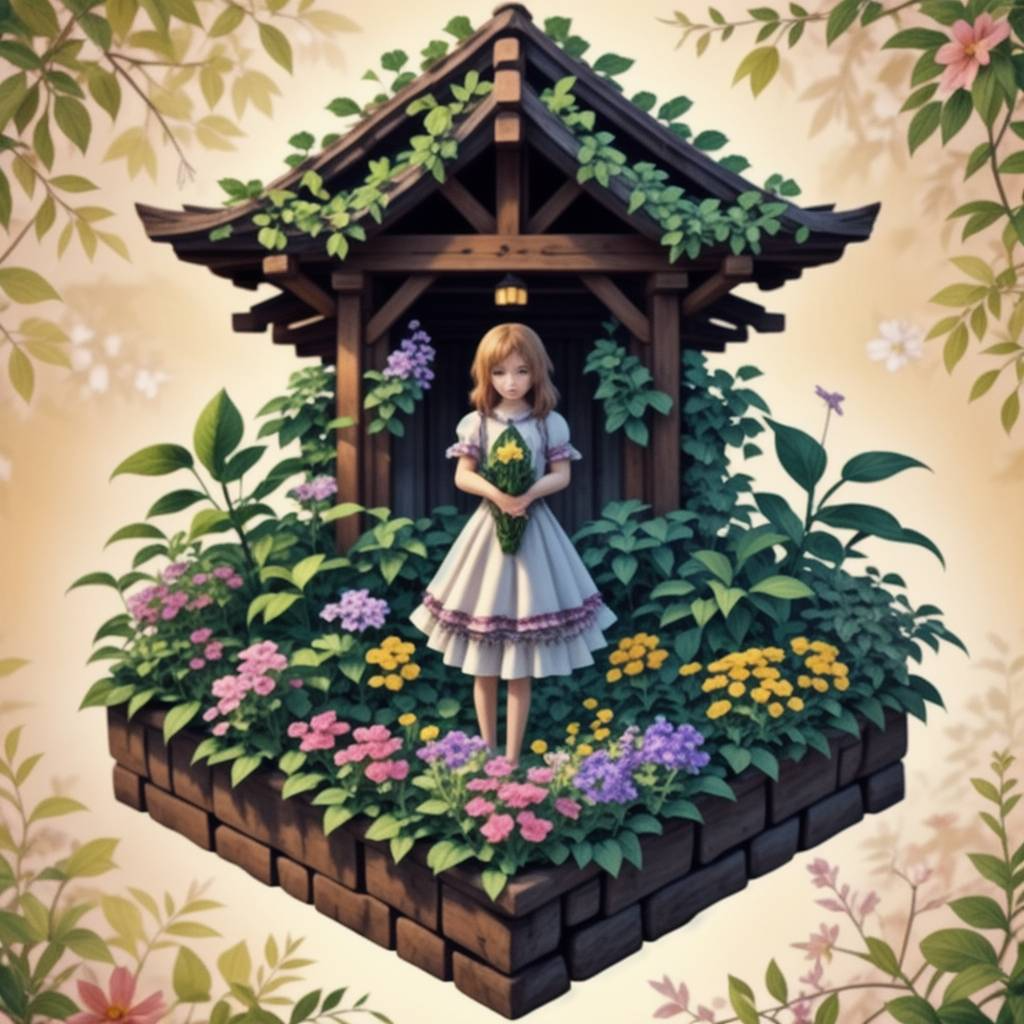
A theme garden is a carefully planned and designed outdoor space that follows a specific theme or concept. Unlike traditional gardens, which may have a mix of various plants and elements, theme gardens focus on a singular idea or aesthetic throughout the entire garden.
The theme can be inspired by various sources such as cultural traditions, historical periods, geographical regions, or abstract concepts. It often incorporate specific plants, colors, textures, and architectural features that are relevant to the chosen theme. The goal is to create a cohesive and immersive experience for visitors, transporting them to a different place, time, or mood when ever they visit to explore the garden. Here are a few popular theme garden ideas:
Explore Planters For your garden- https://zardens.com/enquiry/Enchanted “Forest Garden“
Let’s design an enchanting theme garden called the “Enchanted Forest Garden.” This garden will transport visitors to a magical realm filled with whimsy, mystery, and natural beauty.
Design Concept:
The Enchanted Forest Garden will be a lush, immersive experience that combines elements of fantasy with the wonders of nature. The garden will be divided into several sections, each representing a different aspect of the enchanted forest theme.
Entrance:
Visitors will enter through an arched gateway adorned with intricate metalwork resembling twisting vines and delicate fairy wings. As they step inside, they’ll be greeted by a canopy of towering trees that arch overhead, creating a sense of entering a mystical realm.
Pathways:
Meandering pathways will wind through the garden, bordered by wildflowers, ferns, and moss-covered rocks. Soft lighting hidden among the foliage will create a magical glow, guiding visitors deeper into the forest.
Focal Points:
Throughout the garden, hidden clearings and glades will feature enchanting focal points:
Fairy Circle: A circular clearing surrounded by toadstools and moss-covered stones, where visitors can imagine fairies dancing under the moonlight.
Glowing Pond: A tranquil pond illuminated by softly glowing lights, where water lilies and aquatic plants thrive. Visitors can rest on rustic benches and listen to the soothing sound of trickling water.
Giant’s Chair: A colossal wooden chair nestled beneath a towering oak tree, inviting visitors to climb and imagine themselves as giants in the forest.
Secret Garden: A secluded corner hidden behind a curtain of vines, where a hidden door leads to a magical garden filled with rare and exotic plants.
Plant Selection: The plant selection will include a mix of native and exotic species chosen for their enchanting qualities:
Magical Trees: Majestic oak, beech, and willow trees will dominate the canopy, with twisted branches reaching towards the sky.
Fairy Flowers: Delicate blooms in shades of lavender, blue, and pink will attract butterflies and hummingbirds, including foxgloves, bluebells, and columbines.
Mystical Shrubs: Shrubs with colorful foliage, such as purple smoke bush and variegated hydrangeas, will add depth and texture to the undergrowth.
Whimsical Ground Cover: Low-growing plants like creeping thyme, ferns, and mosses will carpet the forest floor, creating a lush, verdant carpet.
Importance Look-Wise:
The Enchanted Forest Garden will captivate visitors with its otherworldly beauty and immersive atmosphere. From the moment they step through the gate, they’ll feel transported to a magical realm where every corner holds a new discovery. The lush greenery, vibrant flowers, and whimsical touches will create a visually stunning landscape that inspires wonder and delight.
Importance Nature-Wise:
Nature-wise, the Enchanted Forest Garden will serve as a sanctuary for native wildlife, providing habitat and food sources for birds, butterflies, and other beneficial insects. By incorporating native plants and sustainable gardening practices, the garden will promote biodiversity and support the local ecosystem. Visitors will have the opportunity to connect with nature on a deeper level, fostering appreciation and stewardship for the natural world.
Overall, the Enchanted Forest Garden will be a magical oasis where imagination thrives, and the beauty of nature reigns supreme. It will offer visitors a tranquil escape from the hustle and bustle of everyday life, inviting them to explore, dream, and rediscover the enchantment of the natural world.
Herbal “Herb Garden“
Creating an herb garden theme can be an enchanting endeavor, blending functionality with beauty and a touch of aromatic delight. Here’s how to design an irresistibly attractive herb garden:
Layout and Design:
Layout: Begin with a well-defined layout, such as raised beds, geometric patterns, or circular designs, to add visual interest, Incorporate pathways or stepping stones to guide visitors through the garden and provide access for harvesting. Consider adding decorative elements like trellises, arbors, or herb spirals for vertical interest.
Plant Selection: Choose a diverse array of herbs with different colors, textures, and growth habits to create visual appeal, Group herbs with similar cultural requirements together to optimize growing conditions and make maintenance easier.Incorporate edible flowers and ornamental herbs like lavender and rosemary to add interest and fragrance.
Color Palette:Aim for a harmonious color scheme that complements the surrounding landscape or your preferred aesthetic.Mix vibrant greens with pops of color from flowering herbs like basil, chamomile, and calendula.Intersperse silver-gray foliage herbs like sage and thyme to add contrast and visual intrigue.
Seasonal Interest:
Plan for year-round appeal by selecting herbs that offer seasonal interest through foliage, flowers, or berries.Include early blooming herbs like chives and cilantro in spring, followed by summer favorites such as basil and mint.Extend the garden’s beauty into fall with herbs like sage and rosemary, which offer attractive foliage and often bloom late into the season.
Container Gardens and Accessories:
Incorporate containers of varying sizes, shapes, and materials to add depth and dimension to the garden.Personalize the space with herb-themed accessories such as decorative plant markers, vintage gardening tools, and whimsical sculptures.Consider including a seating area or cozy nook where visitors can relax and savor the sights and scents of the garden.
Importance Nature Wise:
Herb gardens attract beneficial insects like bees, butterflies, and predatory insects, contributing to a healthy ecosystem.
Many herbs, such as basil and dill, repel pests, reducing the need for chemical pesticides and promoting natural pest control.
Herbs like lavender and mint emit fragrances that deter mosquitoes and other nuisance insects, making the garden a more enjoyable place to spend time.
An herb garden theme not only enhances the visual appeal of your outdoor space but also provides countless opportunities for culinary exploration, aromatic indulgence, and ecological enrichment. With careful planning and attention to detail, your herb garden can become a captivating oasis that delights the senses and nourishes the soul.
Japanese “Zen Garden“
Creating a Japanese Zen Garden theme is a beautiful endeavor, marrying simplicity, tranquility, and symbolic meaning. Imagine stepping into a serene oasis where every element invites you to find inner peace and harmony with nature.
Design ideas
Raked Gravel or Sand: The centerpiece of a Zen garden, meticulously raked gravel or sand represents water, evoking a sense of calm and fluidity. The patterns created by raking can symbolize waves, ripples, or even the flow of energy.
Rocks and Stones:Strategically placed rocks and stones serve as focal points, representing islands or mountains emerging from the “sea” of gravel. They embody strength, stability, and the passage of time, adding a sense of permanence to the garden.
Minimalist Plantings: In a Zen garden, plantings are intentionally kept simple and sparse, with an emphasis on form, texture, and seasonal interest. Evergreen shrubs like Japanese maple, bamboo, and pine are common choices, along with mosses and ferns for ground cover.
Bridges and Pathways: Wooden bridges or stepping stones lead visitors through the garden, encouraging contemplation and mindfulness as they traverse the space. Pathways may be gravel, stone, or moss-covered, inviting gentle exploration.
Water Features: While traditional Zen gardens often eschew standing water, a small, simple water feature like a bamboo fountain or a stone basin can add an element of sound and movement, enhancing the garden’s sensory experience.
Lanterns and Ornaments: Lanterns, pagodas, and other traditional Japanese ornaments add visual interest and cultural authenticity to the garden. They may be strategically placed to cast soft light and shadows, especially in the evening.
Importance Look-wise:
A Japanese Zen Garden is visually captivating for several reasons:
Simplicity: Its minimalist design creates a sense of spaciousness and serenity, allowing visitors to focus on the beauty of each individual element.
Balance and Harmony: Every aspect of the garden is carefully considered and arranged to achieve a harmonious balance between natural and man-made elements.
Texture and Contrast: The juxtaposition of smooth gravel, rough stones, and delicate foliage creates a visually stimulating tapestry of textures and contrasts.
Seasonal Variation: Through careful selection of plants and materials, a Zen garden offers ever-changing scenery, with each season bringing its own colors, textures, and sensations.
Promotes Mindfulness: The deliberate design of a Zen garden encourages visitors to slow down, observe, and appreciate the present moment, fostering a deeper connection with nature and oneself.
Creates Habitat: Even though minimalist, a Zen garden can still support biodiversity by providing habitat for small creatures like insects and birds, especially if native plants are incorporated.
Sustainable Design:
With its emphasis on simplicity and natural materials, a Zen garden often embodies principles of sustainability, requiring minimal water and maintenance once established.
Emotional Well-being: Interacting with a Zen garden can have profound psychological benefits, reducing stress, promoting relaxation, and encouraging a sense of tranquility and inner peace.
In essence, a Japanese Zen Garden theme is not just about creating a visually stunning space; it’s about fostering a deeper connection with nature, promoting mindfulness, and nurturing the soul. Its allure lies not only in its aesthetic appeal but also in its ability to inspire contemplation and renewal.
Timeless “Mediterranean Garden“
A Mediterranean Garden is a captivating oasis inspired by the sun-drenched landscapes of Southern Europe. Its importance lies in its ability to transport you to a realm of timeless beauty, where the senses are indulged and the spirit is rejuvenated. Let’s delve into the allure of a Mediterranean Garden, both in its aesthetic appeal and its ecological significance:
Aesthetic Appeal:
Warm Color Palette: Picture a palette of warm, earthy tones—sandy yellows, terracotta oranges, and deep Mediterranean blues. These colors evoke the sunlit shores and rustic villages of the Mediterranean coast.
Textured Surfaces: From weathered terracotta pots to rough-hewn stone pathways, textures abound in a Mediterranean Garden. These elements add depth and interest, inviting you to touch and explore.
Lush Greenery: Mediterranean gardens showcase an abundance of foliage, ranging from silvery olive trees to aromatic lavender bushes. The contrast between vibrant greens and dusty hues creates a visually dynamic landscape.
Fragrant Blooms: Imagine the intoxicating scents of jasmine, rosemary, and citrus blossoms wafting through the air. Fragrant flowers such as bougainvillea, oleander, and geraniums add bursts of color and perfume to the garden.
Artful Arrangements: Whether it’s a cluster of terra cotta pots overflowing with herbs or a vine-covered pergola casting dappled shade, Mediterranean gardens are masterpieces of composition. Every element is thoughtfully placed to create a harmonious whole.
Importance Nature Wise:
Drought Resistance: One of the key features of Mediterranean gardens is their emphasis on drought-tolerant plants. Species like lavender, sage, and thyme thrive in the hot, dry conditions characteristic of the Mediterranean climate, making them ideal choices for water-wise gardening.
Biodiversity: Despite the arid climate, Mediterranean gardens are teeming with life. Native plants attract a variety of pollinators, from bees and butterflies to hummingbirds and songbirds. By cultivating a diverse array of flora, you create a thriving ecosystem that supports local wildlife.
Soil Health: Mediterranean plants are well-adapted to the nutrient-poor, well-draining soils of their native habitat. Their deep root systems help prevent soil erosion and improve soil structure, enhancing the overall health of the garden ecosystem.
Low Maintenance: Once established, Mediterranean gardens require minimal maintenance, making them an eco-friendly choice for the busy gardener. By choosing plants that are well-suited to the local climate and soil conditions, you can create a sustainable garden that thrives with minimal intervention.
By embracing the beauty and resilience of Mediterranean flora, you can create a garden that not only captivates the eye but also nurtures the soul and supports local biodiversity. Whether you’re seeking a peaceful retreat or a vibrant gathering space, a Mediterranean Garden offers endless possibilities for enchantment and inspiration.
Rainy “Rain Garden“
Creating a Rain Garden theme offers an opportunity to blend beauty with environmental stewardship, resulting in a visually stunning and ecologically beneficial space. Here’s a description of a Rain Garden theme and its allure:
Design Concept:
Picture a serene oasis where lush greenery mingles with vibrant bursts of color, punctuated by the gentle melody of trickling water. The Rain Garden theme seamlessly integrates elements of nature-inspired design with sustainable landscaping practices.
Visual Appeal:
Color Palette: Embrace a harmonious blend of hues reminiscent of a natural landscape. Imagine a palette dominated by verdant greens, accented with pops of jewel-toned flowers and foliage in shades of blue, purple, and yellow, evoking the diverse beauty of native flora.
Texture and Form: Play with a variety of textures and forms to create visual interest. Combine delicate ferns and grasses with bold, architectural plants like irises and ornamental grasses. Intersperse clusters of low-growing groundcovers for a carpet-like effect, contrasting with the verticality of taller specimens.
Water Feature: The focal point of the Rain Garden, a meandering stream or bubbling fountain, adds a dynamic element to the landscape. Incorporate natural stone accents and strategically placed boulders to mimic the rugged beauty of a mountain stream.
Seasonal Interest: Ensure year-round appeal by selecting plants that offer seasonal interest. Spring brings the delicate blooms of native wildflowers like purple coneflower and butterfly weed, while the fiery foliage of ornamental grasses steals the show in autumn.
Environmental Benefits:
Stormwater Management: Rain Gardens act as natural sponges, absorbing and filtering stormwater runoff from rooftops, driveways, and other impermeable surfaces. This helps reduce the risk of flooding and prevents pollutants from entering local waterways.
Habitat Creation: By providing a habitat for native plants and wildlife, Rain Gardens contribute to biodiversity conservation. Native pollinators like butterflies and bees are attracted to the nectar-rich blooms, while birds and beneficial insects find refuge among the foliage.
Soil Health: The deep-rooted plants in a Rain Garden help improve soil structure and prevent erosion. Their extensive root systems also enhance infiltration, allowing water to percolate into the ground and recharge groundwater supplies.
Sustainable Landscaping:
Rain Gardens require minimal maintenance once established, reducing the need for irrigation, fertilizers, and pesticides. Their self-sustaining nature makes them an eco-friendly landscaping option for homeowners and communities alike.
A Rain Garden theme offers not only visual appeal but also tangible benefits for the environment. By transforming stormwater management into a work of art, this theme celebrates the beauty of nature while promoting ecological resilience and sustainability.
It’s an invitation to immerse oneself in the tranquility of a garden that not only looks breathtaking but also serves as a sanctuary for wildlife and a model for responsible land stewardship.
Charming “Cottage Garden“
A Cottage Garden is like a painting brought to life, bursting with color, fragrance, and an enchanting sense of nostalgia. It’s a whimsical blend of flowers, herbs, and sometimes vegetables, arranged in a seemingly haphazard yet meticulously planned manner. Here’s how to create a Cottage Garden that is not only visually stunning but also beneficial for nature:
Abundant Planting :
Cottage Gardens are all about lushness and abundance. Fill your garden beds with a mix of perennials, biennials, and self-seeding annuals to create layers of color and texture. Think of tall spires of delphiniums and foxgloves towering over cascades of roses and lavender, punctuated by the cheerful faces of daisies and cosmos.
Color Palette: Embrace a riot of colors in your Cottage Garden, but aim for a harmonious color scheme that ties everything together. Consider a mix of pastels and vibrant hues, with pops of contrasting colors to add interest. You might choose soft pinks, blues, and whites for a romantic feel, or opt for bold reds, oranges, and yellows for a more vibrant look.
Informal Design: Unlike formal gardens with rigid structure, Cottage Gardens exude a charming informality. Plant in drifts and clusters rather than straight lines, and allow plants to spill over pathways and borders for a relaxed, lived-in feel. Incorporate rustic elements like weathered wooden fences, trellises, and stone pathways to enhance the cottage-like atmosphere.
Seasonal Interest:
Ensure year-round beauty by selecting plants with staggered blooming times and foliage that provides interest even when flowers are not in bloom. Include early spring bulbs like daffodils and tulips, summer-flowering favorites like roses and coneflowers, and fall-blooming asters and sedums to keep the garden vibrant throughout the seasons.
Wildlife Habitat: Cottage Gardens are not just for humans—they also provide valuable habitat and food sources for pollinators and other wildlife. Choose nectar-rich flowers like bee balm, coneflowers, and butterfly bush to attract bees, butterflies, and hummingbirds. Incorporate native plants to support local ecosystems, and include a water feature like a birdbath or small pond to invite birds and beneficial insects.
Fragrance: Engage the senses with the intoxicating scents of Cottage Garden blooms. Include fragrant plants like roses, lavender, sweet peas, and jasmine to perfume the air and create an inviting atmosphere for both humans and pollinators.
Personal Touches:
Infuse your Cottage Garden with personal touches that reflect your personality and interests. Incorporate vintage garden ornaments, heirloom plants passed down through generations, or whimsical decorations like fairy houses and colorful birdhouses to add charm and character.
creating a Cottage Garden theme is visually captivating and ecologically beneficial and you will have a beautiful outdoor space to not only enjoy but also contribute to the health and vitality of your Garden, local envirnment and society.
Zardens Planters-https://zardens.com/enquiry/ to match Every Indivisual Requirment.visit Website for more Details.


“Embrace The Sun With Summer Outdoor Plants”
As the warmth of summer envelops us, it’s the perfect time to adorn our outdoor spaces with vibrant and resilient plants that thrive under the sun’s caress. no matter if you have a sprawling garden or a cozy balcony, there’s an array of flora ready to transform your outdoor oasis into a lively haven. Let’s explore some of the best summer outdoor plants that will flourish in the radiant days ahead.
Tropical Treasures: Transport yourself to a lush paradise with tropical plants that thrive in the summer heat. From majestic palms to exotic hibiscus, there’s a wide array of tropical treasures to choose from. Create a tropical oasis in your backyard by mixing and matching bold foliage with vibrant blooms. Be sure to provide adequate water and occasional fertilization to keep these beauties looking their best throughout the summer season.
Zardens FRP planters are an excellent choice for summer outdoor plants due to their durability, lightweight construction, resistance to corrosion and rot, versatile design options, insulation properties, and low maintenance requirements. Investing in Zardens FRP planters can enhance the beauty of your outdoor space while providing a stable and supportive environment for your plants to flourish throughout the summer season and beyond. Click to check suitable planter for your Beloved plants. https://zardens.com/
Let’s dive into a lush garden of 20 vibrant summer outdoor plants, each with its own unique charm and benefits.
Lavender: Origin: Mediterranean region.
Care Tips: Thrives in well-drained soil and plenty of sunlight. Prune after flowering to encourage new growth.
Benefits: Known for its soothing fragrance and ability to attract pollinators like bees and butterflies. Lavender has calming properties which makes it perfect for relaxation gardens.
Suitable Planter: Lavender prefers well-draining soil, so opt for a medium-sized FRP planter with drainage holes to prevent waterlogging.
Sunflowers:native to North America
Care Tips: Plant in full sun with well-drained soil. Watering is most impotant on dry period.
Benefits: Symbolizing happiness and vitality, sunflowers bring cheer to any garden. Their seeds attract birds and provide a nutritious snack.
Suitable Planter: Sunflowers have deep roots, so choose large FRP planters with plenty of room for root growth.
Bougainvillea: Origin: South America.
Care Tips: Plant in full sun and well-drained soil. Allow soil to dry between watering.
Benefits: With its stunning, vibrant bracts, bougainvillea adds a touch of tropical beauty to gardens. It thrives in hot, sunny climate.
Suitable Planter: Bougainvillea prefers slightly cramped roots, so opt for a large FRP planter with excellent drainage.
Petunias: Origin: South America.
Care Tips: Plant in fertile, well-drained soil and provide regular watering. Deadhead spent blooms to encourage continuous flowering.
Benefits: Available in a wide range of colors, petunias are versatile and easy to grow. They attract pollinators like hummingbirds and butterflies, enhancing biodiversity in the garden.
Suitable Planter: Petunias do well in hanging baskets or medium-sized FRP planters with ample drainage

Hibiscus: Origin: Asia, Pacific Islands.
Care Tips: Plant in well-drained soil and provide regular watering. Prune to shape and encourage new growth.
Benefits: Known for their large, showy flowers, hibiscus adds a tropical flair to gardens. Some varieties are edible and can be used to make teas and jams.
Suitable Planter: Hibiscus needs a large container to accommodate its root system, so choose a large FRP planter with drainage holes

Zinnias: Origin: Mexico, South America.
Care Tips: Plant in full sun with well-drained soil. Deadhead spent blooms to encourage continuous flowering.
Benefits: Zinnias are easy to grow annuals with colorful, daisy-like flowers. They attract butterflies and are excellent for cutting gardens.
Suitable Planter: Zinnias grow well in medium-sized FRP planters with good drainage.

Marigolds: Origin: Central and South America.
Care Tips: Plant in full sun with well-drained soil. Deadhead spent blooms to encourage continuous flowering.
Benefits: Marigolds are beautiful and help deter pests like aphids and mosquitoes. They’re perfect for companion planting in vegetable gardens.
Suitable Planter: Marigolds are versatile and can thrive in various container sizes, so choose medium to large FRP planters with drainage holes

Lantana: Origin: Americas, Africa, and tropical regions.
Care Tips: Plant in full sun with well-drained soil. Prune regularly to control growth.
Benefits: Lantana’s colorful clusters of flowers attract butterflies and hummingbirds. It has drought-tolerant ability to tolerant drought after established which mekes them perfect for hot summer seson.
Suitable Planter: Lantana requires well-draining soil, so opt for medium-sized FRP planters with drainage holes.

Verbena: Origin: Europe, Asia, and America.
Care Tips: Plant in well-drained soil and provide regular watering. Deadhead spent blooms to encourage continuous flowering.
Benefits: Verbena’s clusters of small, colorful flowers add a delicate beauty to gardens. It’s can highly attractive to pollinators.
Suitable Planter: Verbena prefers slightly cramped roots, so choose medium-sized FRP planters with good drainage.
Salvia: Origin: Europe, Asia, and America.
Care Tips: Plant in well-drained soil and provide regular watering. Deadhead spent blooms to encourage continuous flowering.
Benefits: Salvia’s spikes of vibrant flowers attract bees and butterflies along with repelling deer and rabbits benefits. It’s easy to grow and drought-tolerant.
Suitable Planter: : Salvia does well in medium-sized FRP planters with good drainage.
Coreopsis: Origin: North America.
Care Tips: Plant in well-drained soil and provide regular watering. Deadhead spent blooms to encourage continuous flowering.
Benefits: Coreopsis’s cheerful, daisy-like flowers bloom all summer long, attracting butterflies and pollinators. It’s low-maintenance and drought-tolerant.
Suitable Planter: Coreopsis prefers slightly cramped roots, so opt for medium-sized FRP planters with drainage holes.

Russian Sage: Origin: Central Asia.
Care Tips: Plant in well-drained soil and full sun. Prune in spring to promote new growth.
Benefits: Russian Sage’s aromatic silvery foliage and lavender-blue flowers add a touch of elegance to gardens. It’s drought-tolerant and deer-resistant.
Suitable Planter: Russian Sage requires well-draining soil, so choose medium-sized FRP planters with drainage holes.
Canna Lily: Origin: Tropical America.
Care Tips: Plant in rich, well-drained soil and provide regular watering. Deadhead spent blooms to encourage continuous flowering.
Benefits: Canna lilies offer bold foliage and vibrant flowers in shades of red, orange, yellow, and pink. They thrive in hot, humid conditions and attract hummingbirds.
Suitable Planter: Canna Lily needs a large container for its rhizomes to spread, so choose large FRP planters with drainage holes.

Dahlias: Origin: Mexico and Central America.
Care Tips: Plant in fertile, well-drained soil and provide regular watering. Stake tall varieties to support their blooms.
Benefits: Dahlias come in a dazzling array of colors, shapes, and sizes, making them a favorite among gardeners. They’re excellent for cut flowers and attract pollinators.
Suitable Planter: Dahlias need a large container with good drainage, so opt for large FRP planters.

Coleus: Origin: Southeast Asia.
Care Tips: Plant in fertile, well-drained soil and provide partial shade. Pinch back stems to promote bushiness.
Benefits: Coleus’s colorful foliage brightens up shady spots in the garden. It’s easy to grow and adds texture and interest to container gardens and borders.
Suitable Planter: Coleus does well in medium-sized FRP planters with good drainage.

Morning Glory: Origin: Central and South America.
Care Tips: Plant in full sun with well-drained soil. Provide support for climbing varieties.
Benefits: Morning glory’s trumpet-shaped flowers bloom in the morning, attracting pollinators like bees and butterflies. It’s fast-growing and adds vertical interest to gardens.
Suitable Planter: Morning Glory can be grown in hanging baskets or medium-sized FRP planters with drainage holes.

Lobelia: Origin: North and Central America.
Care Tips: Plant in fertile, well-drained soil and provide regular watering. Deadhead spent blooms to encourage continuous flowering.
Benefits: Lobelia’s delicate, trailing flowers add a splash of color to containers, hanging baskets, and borders. It’s attractive to hummingbirds and butterflies.
Suitable Planter: Lobelia prefers slightly cramped roots, so opt for medium-sized FRP planters with drainage holes.

Portulaca: Origin: South America.
Care Tips: Plant in well-drained soil and full sun. Water sparingly, as portulaca is drought-tolerant.
Benefits: Portulaca’s succulent-like foliage and colorful flowers thrive in hot, dry conditions. It’s perfect for rock gardens, containers, and ground cover.
Suitable Planter: Portulaca thrives in hanging baskets or medium-sized FRP planters with good drainage.

Ageratum: Origin: Central America.
Care Tips: Plant in fertile, well-drained soil and provide regular watering. Deadhead spent blooms to encourage continuous flowering.
Benefits: Ageratum’s fluffy clusters of blue, pink, or white flowers add a soft, dreamy touch to gardens. It’s low-maintenance and attracts butterflies.
Suitable Planter: Ageratum does well in medium-sized FRP planters with good drainage.
With the right selection of summer outdoor plants, you can transform your outdoor space into a vibrant oasis that thrives under the sun’s warm embrace. You prefer the low-maintenance charm of succulents or the timeless elegance of roses, there’s a plant to suit every style and preference. Get ready and roll up your sleeves to dig in the mud, to let your garden flourish this summer with all Colors!!

Decorative Ideas:10 Stunning Summer Indoor Plants & Importance
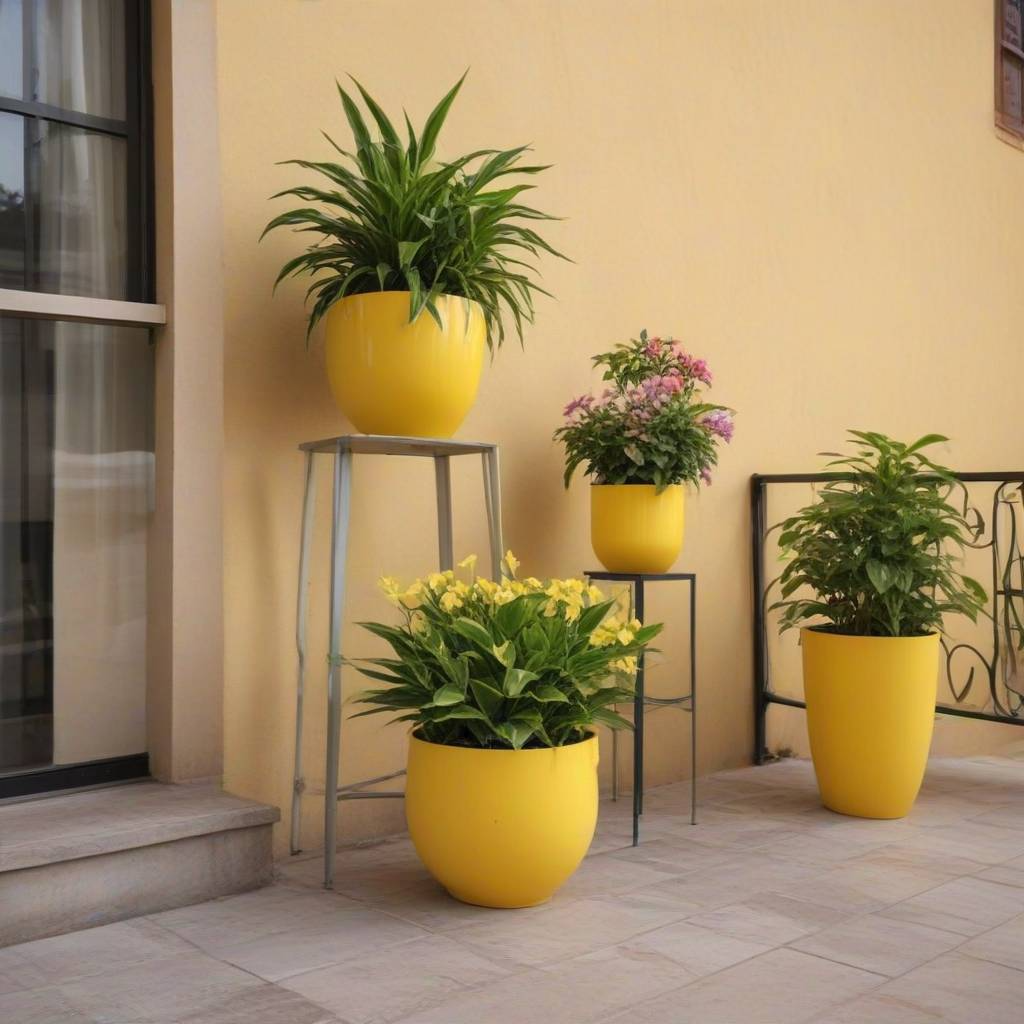
Embrace the Vibrance by 10 Stunning Decorative Summer Indoor Plants! Elevate your space with lush greens and vibrant blooms. From the exotic Monstera to the charming Peace Lily, these botanical beauties bring freshness and style to any room. Transform your home into a summer sanctuary with these irresistible plant picks!

As the sun-soaked days of summer beckon us outdoors, there’s a desire to bring a slice of that vibrant energy indoors. What better way to do so than with a collection of lush indoor plants? These botanical beauties not only purify the air but also infuse your home with a sense of tranquility and freshness. Here, we present a curated selection of summer indoor plants, each accompanied by three unique decorative ideas to elevate your indoor oasis.
As we revel in the joys of summer, let us not overlook the transformative power of indoor plants. Beyond their aesthetic appeal, these green companions offer a myriad of benefits that enhance our physical and emotional well-being. indoor plants are the perfect companions for the season ahead. So, embrace the greenery and let nature’s beauty flourish within your home this summer.
Want to Buy Planters for Your summer Plants? click here- https://zardens.com/enquiry/
The Importance of Summer Indoor Plants

1. Air Quality Enhancement:
Indoor plants act as natural air purifiers, absorbing pollutants and toxins while releasing oxygen. During summer, when we tend to keep windows closed to trap cool air inside, these plants become essential in maintaining fresh indoor air quality.
2. Stress Reduction:
The sight of greenery has a calming effect on our minds. Studies have shown that being around plants can reduce stress, anxiety, and even blood pressure. Amidst the hustle and bustle of summer activities, indoor plants offer a tranquil retreat.
3. Temperature Regulation:
Certain plants have the remarkable ability to regulate indoor temperatures by releasing moisture through a process called transpiration. This cooling effect is especially welcome during scorching summer days, reducing the need for excessive air conditioning.
4. Health Benefits:
Indoor plants not only enhance the aesthetic appeal of our surroundings but also contribute to our overall well-being. They can boost mood, productivity, and creativity while reducing the incidence of headaches and fatigue.
The Beauty of Summer Indoor Plants

1. Varied Foliage:
Summer indoor plants come in a myriad of shapes, sizes, and colors, offering endless possibilities for interior decoration. From the delicate fronds of ferns to the broad, glossy leaves of tropical palms, each plant adds its unique charm to the space.
2. Blooming Beauties:
Many indoor plants bloom during the summer months, adorning our homes with colorful flowers and filling the air with sweet fragrances. Orchids, peace lilies, and African violets are just a few examples of flowering plants that thrive indoors during the summer.
3. Versatile Arrangements:
Whether cascading from hanging baskets, towering in corners, or adorning tabletops, indoor plants can be arranged in myriad ways to suit any space or style. Mixing different varieties adds visual interest and creates dynamic focal points within a room.
4. Low Maintenance Options:
For those with busy schedules or limited gardening experience, there are plenty of low-maintenance indoor plants that thrive with minimal care. Succulents, snake plants, and pothos are excellent choices for beginners or anyone seeking hassle-free greenery.
Zardens Presents Planters for all seasons check Now- https://zardens.com/enquiry/
Here, we present a curated selection of 10 summer indoor plants.
1. Peace Lily (Spathiphyllum wallisii)

Peace Lily (Spathiphyllum wallisii)
Characteristics: Elegant, with glossy, deep-green leaves and delicate white blooms.
Summer Story: Originating from the tropical rainforests of Central and South America, the Peace Lily symbolizes tranquility and harmony. Its ability to purify the air makes it a perfect companion for the summer months.
- Decorative Ideas:
- Showcase in a wicker basket for a touch of natural texture.
- Arrange on a side table with a collection of scented candles for a serene ambiance.
- Pair with a decorative watering can to add a whimsical flair to your space.
2. Snake Plant (Sansevieria trifasciata)

Snake Plant (Sansevieria trifasciata)
Characteristics: Striking, sword-shaped leaves with variegated patterns.
Summer Story: Hailing from West Africa, the Snake Plant is a survivor, thriving in both bright light and shade. Its resilience and air-purifying qualities make it a popular choice for summer décor.
- Decorative Ideas:
- Pair with a sleek, modern planter for a contemporary look.
- Create a striking display by clustering different-sized snake plants together.
- Place in a tall, narrow vase to accentuate its vertical growth.
3. Spider Plant (Chlorophytum comosum)

Spider Plant (Chlorophytum comosum)
Characteristics: Graceful arching leaves adorned with tiny white flowers.
Summer Story: Native to South Africa, the Spider Plant is renowned for its ability to remove toxins from the air. Its cascading foliage adds a touch of whimsy to any indoor setting, making it a summer favorite.
- Decorative Ideas:
- Hang from the ceiling using macramé plant hangers for a bohemian vibe.
- Showcase in a vintage-inspired ceramic pot for a nostalgic touch.
- Arrange in a tiered plant stand to add depth and visual interest.
4. Boston Fern (Nephrolepis exaltata)

Boston Fern (Nephrolepis exaltata)
Characteristics: Lush, feathery fronds that cascade gracefully.
Summer Story: With origins tracing back to tropical regions, the Boston Fern thrives in high humidity, making it an ideal choice for summer interiors. Its airy foliage brings a refreshing vibe to any space.
- Decorative Ideas:
- Position it near a window where it can receive indirect sunlight.
- Create a mini fern garden within a glass terrarium to bring a touch of whimsy to your space.
- Showcase your Boston Fern as a centerpiece on a coffee table or sideboard.
5. ZZ Plant (Zamioculcas zamiifolia)

ZZ Plant (Zamioculcas zamiifolia)
Characteristics: Glossy, dark-green leaves that resemble feathers.
Summer Story: Native to Eastern Africa, the ZZ Plant is renowned for its ability to withstand neglect and low light conditions, making it perfect for those summer getaways. Its waxy leaves retain moisture, ensuring survival during the hottest days.
- Decorative Ideas:
- Place in a metallic or glossy planter to reflect light and create a sleek aesthetic.
- Display on a minimalist plant stand to highlight its architectural form.
- Combine with other low-light plants to create a captivating green corner.
6. Bird of Paradise (Strelitzia reginae)

Bird of Paradise (Strelitzia reginae)
Characteristics: Striking, bird-like blooms in vibrant hues of orange and blue.
Summer Story: Originating from South Africa, the Bird of Paradise brings a touch of the exotic to any indoor oasis. Its flamboyant flowers and tropical allure evoke the spirit of summer, making it a captivating centerpiece.
- Decorative Ideas:
- Feature in a large, statement planter to showcase its exotic blooms.
- Create a tropical oasis by surrounding with ferns, palms, and bamboo.
- Position as a centerpiece in a bright, airy room to evoke a resort-like ambiance.
7. Aloe Vera (Aloe barbadensis)

Aloe Vera (Aloe barbadensis)
Characteristics: Fleshy, spiky leaves with healing properties.
Summer Story: Native to the Arabian Peninsula, Aloe Vera is a desert succulent celebrated for its medicinal benefits. Its ability to thrive in dry conditions makes it a quintessential summer companion, providing both beauty and healing.
- Decorative Ideas:
- Plant in a transparent glass container to showcase its gel-filled leaves.
- Display on a windowsill to benefit from its sun-loving nature.
- Pair with succulents and cacti in a desert-themed arrangement for a striking contrast.
8. Rubber Plant (Ficus elastica)

Rubber Plant (Ficus elastica)
Characteristics: Large, glossy leaves in shades of green, burgundy, or variegated patterns.
Summer Story: Native to Southeast Asia, the Rubber Plant is a statement piece, adding a bold presence to any room. Its robust nature and air-purifying qualities make it a must-have for summer interiors.
- Decorative Ideas:
- Showcase in a metallic or concrete pot to add an industrial touch.
- Combine with other foliage plants of varying heights to create a lush jungle corner.
- Place on a wooden plant stand to complement its glossy, dark green leaves.
9. Anthurium (Anthurium andraeanum)

Anthurium (Anthurium andraeanum)
Characteristics: Heart-shaped, glossy leaves with vibrant, waxy blooms.
Summer Story: Hailing from the rainforests of Central and South America, the Anthurium is a tropical gem. Its long-lasting flowers in shades of red, pink, or white add a splash of color to summer interiors, while its air-purifying abilities enhance indoor air quality.
- Decorative Ideas:
- Opt for glossy white or matte black containers to contrast with the Anthurium’s vibrant blooms and glossy foliage.
- Create a miniature tropical paradise by incorporating Anthurium into a terrarium arrangement.
- Utilize the Anthurium’s cascading blooms to create a stunning hanging basket display.
10. Parlor Palm (Chamaedorea elegans)

Parlor Palm (Chamaedorea elegans)
Characteristics: Delicate, feathery fronds atop slender stems.
Summer Story: Native to the forests of Southern Mexico and Guatemala, the Parlor Palm exudes elegance and grace. Its compact size and low maintenance requirements make it an excellent choice for summer décor, bringing a touch of the tropics indoors.
- Decorative Ideas:
- Pair it with other hanging plants like spider plants or pothos for a lush, cascading display.
- Surround the pot with decorative pebbles or moss to create a polished and refined look.
- Create a mini tropical oasis by clustering several Parlor Palms together in a corner of your room.
Charting Your Indoor Oasis
Plant Name Characteristics Summer Story Peace Lily Glossy leaves, white blooms Symbol of tranquility, air-purifying qualities Snake Plant Variegated leaves Resilient, air-purifying Spider Plant Arching leaves, white flowers Air-purifying, whimsical foliage Boston Fern Cascading fronds High humidity lover, refreshing vibe ZZ Plant Feather-like leaves Drought tolerant, low light survivor Bird of Paradise Exotic blooms Tropical allure, captivating centerpiece Aloe Vera Spiky leaves, healing properties Desert succulent, medicinal benefits Rubber Plant Large, glossy leaves Statement piece, air-purifying qualities Anthurium Heart-shaped leaves, waxy blooms Tropical gem, vibrant colors Parlor Palm Feathery fronds Elegant, low maintenance Get Customised Planters for your Beloved Plants: https://zardens.com/enquiry/ Plants care Tips During Summer
Taking care of plants during the summer months requires a bit of extra attention due to the higher temperatures and increased sunlight. Here are some essential tips to help your plants thrive during the summer by Zardens.
Watering:
- Check the soil moisture regularly, as plants may require more frequent watering in hot weather.
- Water deeply but less frequently to encourage strong root growth. Avoid shallow watering, which can lead to surface roots and make plants more vulnerable to heat stress.
- Water early in the morning or late in the afternoon to reduce evaporation and minimize the risk of fungal diseases.
Sunlight:
- Be mindful of the sun’s intensity, especially during the hottest parts of the day. Some plants may benefit from partial shade to protect them from intense sunlight.
- Consider moving potted plants to shaded areas or using shade cloths to provide relief from the sun’s direct rays.
- Monitor plants for signs of sunburn, such as wilting, yellowing leaves, or scorched foliage. If necessary, relocate them to a more suitable location.
Humidity:
- Increase humidity levels for indoor plants by misting them regularly or placing a tray of water and pebbles beneath their pots.
- Grouping plants together can create a microclimate with higher humidity levels, especially beneficial for moisture-loving plants.
Pruning and Maintenance:
- Regularly remove dead or wilted foliage to encourage new growth and prevent disease.
- Prune plants to promote airflow and prevent overcrowding, which can lead to fungal issues during humid weather.
- Mulch around outdoor plants to help retain soil moisture and regulate soil temperature. Organic mulches like bark chips or compost also enrich the soil as they break down.
Fertilizing:
- Adjust your fertilizing schedule to accommodate for increased growth during the summer months.
- Use a balanced, slow-release fertilizer to provide essential nutrients without overstimulating growth, which can make plants more susceptible to heat stress.
Pest and Disease Control:
- Keep an eye out for signs of pest infestations or disease, as warm weather can exacerbate these issues.
- Monitor plants regularly for symptoms such as yellowing leaves, holes in foliage, or unusual growth patterns.
- Address pest or disease problems promptly using organic or chemical controls if necessary.

By following these tips and paying close attention to your plants’ needs, you can help them thrive and flourish throughout the summer season. Remember that each plant may have specific requirements, so it’s essential to tailor your care routine accordingly. click to shope- https://zardens.com/ ….

7 Most Used Planters: Choosing the Perfect Pot for Your Plants
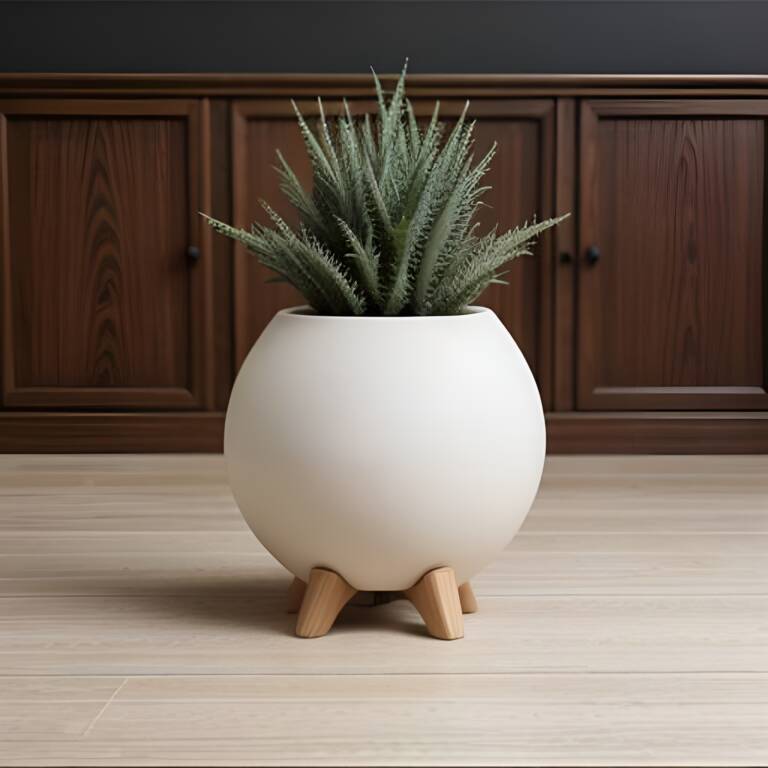
It’s time to dive into the wonderful world of planters! From fiberglass to hanging baskets, there’s a plethora of options out there to suit every plant parent’s needs. In this comprehensive guide, we’ll explore the seven most popular planters, their advantages, disadvantages, and even throw in a handy comparison chart to make your decision-making process a breeze. So grab your gardening gloves and let’s get started!


At their core, planters provide a controlled environment for plants to thrive, whether indoors or outdoors. They offer a contained space for roots to grow, soil to retain moisture, and plants to establish themselves securely. By using planters, gardeners can create lush and vibrant displays in areas where traditional gardening may not be feasible, such as balconies, patios, or even windowsills.
While selecting planters, there are several attributes to consider. Size is crucial, as it determines the amount of space available for plant roots to grow and expand. Drainage is another essential factor, as it prevents waterlogged soil and root rot, ensuring the health and longevity of your plants. Material choice, such as fiberglass, plastic, terracotta, or wood, can impact durability, aesthetics, and even insulation properties.
Here we will look at seven Types of most used planters, their advantage and Disadvantages along with comparison chart showing major factors to choose perfect Planters for your Plants.
Want to customise/choose Planters for your beloved Plants click here: https://zardens.com/enquiry/
Things to conside Before Finalishing Your Plant Mate
- Looking for Indoor/Outdoor
- Climate Condision at your Place
- Types Of plants you want to Grow
- Size Of Property/landscape
- Customization Avalaiblity
The Ultimate Guide: Choosing the Perfect Pot for Your Plants
1. Fiberglass Planters: The Lightweight Wonder

Fiberglass Pots
Fiberglass planters are like the superheroes of the gardening world—lightweight yet incredibly strong. These pots are perfect for those who love to rearrange their outdoor oasis frequently without breaking a sweat. Their sleek and modern designs add a touch of sophistication to any space, making them a favorite among urban gardeners. However, beware of extreme temperatures, as fiberglass can expand and contract, potentially causing cracks over time.
Advantages:
- Lightweight and easy to move around.
- Resistant to cracking and weather damage.
- Sleek and modern design options available.
Disadvantages:
- May be more expensive than some other materials.
- Prone to fading in direct sunlight over long time.
2.Plastic Planters: Budget-Friendly and Versatile

Plastic Pot
Plastic planters are the unsung heroes of gardening—they’re affordable, lightweight, and come in a variety of shapes and sizes. Whether you’re growing herbs on your kitchen windowsill or creating a colorful display on your patio, plastic pots have got you covered. Plus, they’re a breeze to clean and maintain. The only downside? Some may find the look of plastic less appealing compared to other materials.
Advantages:
- Affordable and widely available.
- Lightweight and easy to transport.
- Comes in a variety of colors, shapes, and sizes.
Disadvantages:
- Less environmentally friendly compared to other materials.
- Prone to becoming brittle and cracking over time.
- Can degrade in extreme temperatures.
3. Terracotta Planters: Rustic Charm with a Mediterranean Flair

Terracotta Pots
Terracotta planters have been gracing gardens for centuries, and for good reason. Their warm, earthy tones and classic designs exude rustic charm, adding a touch of Mediterranean flair to any outdoor space. These pots are also porous, allowing for better airflow to your plant’s roots. However, terracotta can be prone to cracking in freezing temperatures, so be sure to bring them indoors during the winter months.
Advantages:
- Porous material allows for better airflow to plant roots.
- Provides a classic and rustic aesthetic.
- Retains moisture well, helping to regulate soil temperature.
Disadvantages:
- Susceptible to cracking in freezing temperatures.
- Heavier and more fragile than some other materials.
- Requires more frequent watering due to porous nature.
4. Concrete Planters: Industrial Chic with Durability

Concrete Pots
Concrete planters are the epitome of industrial chic, adding a modern edge to gardens, patios, and even indoor spaces. Not only are they incredibly durable, but they also provide excellent insulation for your plants, keeping them cozy during chilly nights. However, their weight can be a drawback, especially if you like to move your plants around frequently. Additionally, concrete pots may require sealing to prevent water damage and staining.
Advantages:
- Extremely durable and long-lasting.
- Provides excellent insulation for plant roots.
- Offers a modern and industrial aesthetic.
Disadvantages:
- Heavy and difficult to move once in place.
- May require sealing to prevent water damage and staining.
- Limited variety in shape and size compared to other materials.
5. Metal Planters: Sleek and Stylish with a Hint of Edge

Metal Pot
Metal planters are the epitome of sleek and stylish, adding a touch of edge to any garden or patio. Whether you prefer the industrial look of galvanized steel or the modern appeal of brushed aluminum, metal pots offer durability and versatility in spades. Plus, they’re excellent at retaining moisture, keeping your plants happy and hydrated. Just be cautious of rust, especially if you live in a humid climate.
Advantages:
- Sleek and modern design options available.
- Resistant to weather damage and corrosion.
- Provides good drainage for plant roots.
Disadvantages:
- Can retain heat, potentially overheating plant roots.
- Prone to rusting, especially in humid environments.
- Limited insulation properties compared to other materials.
6. Wooden Planters: Natural Elegance with Timeless Appeal

Wooden Pots
Wooden planters bring a touch of natural elegance to any outdoor space, evoking a sense of rustic charm and timeless appeal. Whether you opt for cedar, teak, or redwood, wooden pots add warmth and character to your garden or patio. Plus, wood is a natural insulator, helping to regulate soil temperature and moisture levels. However, wooden planters may require more maintenance, such as sealing or staining, to prolong their lifespan.
Advantages:
- Natural and rustic aesthetic.
- Provides good insulation for plant roots.
- Can be easily customized and stained to match any décor.
Disadvantages:
- Prone to rotting and decay over time, especially if not properly treated.
- Heavier and less durable than some other materials.
- Requires more maintenance, such as sealing or staining, to prolong lifespan.
7. Hanging Baskets: Elevate Your Greenery to New Heights

Hanging Basket
Hanging baskets are the ultimate space-saving solution for plant lovers with limited outdoor real estate. These versatile containers allow you to hang your greenery from fences, pergolas, or even ceiling hooks, adding vertical interest to your garden or patio. Whether you’re growing trailing vines, colorful flowers, or fragrant herbs, hanging baskets provide the perfect canvas for your botanical creations. Just be mindful of watering, as hanging pots can dry out more quickly than traditional planters.
Advantages:
- Space-saving solution, perfect for small gardens or balconies.
- Adds vertical interest to outdoor spaces.
- Easy to change and rearrange plant arrangements.
Disadvantages:
- Requires frequent watering, as soil can dry out quickly.
- Limited root space for plants to grow.
- Can be susceptible to damage from wind or heavy rain.
Choosing the Perfect Planter: Showing Summery of advantage and Disadvantage
Planter Type Advantage Disadvantage Fiberglass Lightweight, modern designs Prone to cracking in extreme temperatures Plastic Affordable, versatile Less visually appealing to some Terracotta Rustic charm, porous Susceptible to cracking in freezing temps Concrete Durable, excellent insulation Heavy, may require sealing Metal Sleek, stylish, moisture-retentive Prone to rust, especially in humid climates Wooden Natural elegance, insulating Requires maintenance, may rot over time Hanging Baskets Space-saving, versatile Requires frequent watering, limited root space With this comprehensive guide and comparison chart in hand, you’re well-equipped to choose the perfect planter for your beloved botanicals. So go ahead, let your green thumb run wild, and watch your garden flourish in its new stylish digs!
Here’s a comparison chart to choose Best planter, based on various factors:
Planter Type Durability Lightweight Indoor/Outdoor Insulating UV Protection Environment Friendly Variety in Shape/Size Quality Professional Look Cost-Effective Fiberglass High Very Both Low Yes Yes Wide variety Excellent Professional Moderate Plastic Moderate Very Both Low Some Yes Wide variety Variable Moderate Very Wooden Moderate-High Moderate Both High No Yes Limited Variable Rustic Moderate-High Terracotta Moderate Moderate Both Moderate No Yes Limited Good Rustic Moderate Metal High Moderate Both Low Some Some Limited Good Modern Moderate-High Concrete Very High Low Both High Yes Some Limited Excellent Industrial Moderate-High Hanging Baskets Moderate Very Outdoor Low No Yes Limited Variable Casual Very Consider your specific needs and preferences when choosing the right one for your plants and gardening style.
Why fiberglass planters can be a better option? compared to other materials available in the market!
- Lightweight: These planters are incredibly light, making them easy to move around and rearrange in your garden or home.
- Durable: it’s sturdy material that can withstand outdoor elements such as rain, wind, and sun exposure without deteriorating.
- Versatile designs: It comes in a wide range of shapes, sizes, and styles, allowing you to find the perfect option to complement your decor or landscaping theme.
- Modern aesthetics: Fiberglass planters often feature sleek and contemporary designs, adding a touch of sophistication to any space.
- Weather-resistant: Unlike some other materials like terracotta or wood, fiberglass is not prone to cracking, chipping, or rotting when exposed to extreme temperatures or moisture.
- Low maintenance: It require minimal upkeep compared to natural materials like wood, which may need to be sealed or treated regularly to maintain their appearance.
- Customizable finishes: It can be easily painted or finished to mimic other materials such as stone or metal, giving you the flexibility to achieve the look you desire.
- Insulating properties: Fiberglass provides insulation for plant roots, helping to regulate soil temperature and prevent rapid fluctuations that can stress plants.
- Long-lasting investment: Due to their durability and resistance to wear and tear, fiberglass planters can be considered a long-term investment that will continue to enhance your space for years to come.
- Eco-friendly options: Many fiberglass planters are made from recycled materials, making them a sustainable choice for environmentally-conscious gardeners.
In conclusion, selecting the ideal planter for your plants is crucial for their well-being and your gardening enjoyment. By considering above factors you can make an informed decision that enhances both the beauty and health of your botanical companions. Happy planting!
“The Green Thumb’s Guide: Plant Health and Growth in Planters”
Zardens Offers expert tips and techniques for optimizing plant health and growth within Square Series FRP planters, covering topics such as proper drainage, soil and plant selection, along with seasonal maintenance routines and some of its benefits to Environment.

Maximizing Growth: Choosing the Right Plants for Square FRP Planters.
So, you’ve got your shiny new Square Series FRP Planters, ready to transform your space into a green oasis. But before you start filling them up with soil, let’s talk about the stars of the show: the plants themselves. Picking the right plant varieties is key to ensuring your planter thrives and stays looking fabulous.
- Consider Your Climate and Environment
First things first, take a good look at where you live. Is it hot and sunny most of the time, or do you get more rain than you know what to do with? Different plants have different preferences when it comes to climate, so it’s essential to choose varieties that will thrive in your specific conditions.
- Assess Your Space and Sunligh

Next up, think about where your planters will be situated. Are they going to be basking in full sun on a rooftop terrace, or tucked away in a shady corner of your patio?
The amount of sunlight your planters receive will play a big role in determining which plants will do well there. Most plants will need at least a few hours of sunlight a day to thrive, so if your space is on the shady side, you’ll want to stick to shade-loving varieties like ferns or begonias.
- Match Plants to Your Gardening Skills
Finally, consider your own gardening skills. If you’re a bit forgetful when it comes to watering, opt for low-maintenance plants like succulents or drought-tolerant perennials. On the other hand, if you love nothing more than spending hours in the garden tending to your plants, go ahead and choose something a bit more high-maintenance. Just be prepared to put in the extra time and effort to keep them looking their best.
Understanding Planting Depth and Spacing
Have you ever planted a seed only to see it struggle to sprout? Understanding the right planting depth can make all the difference in your garden’s success. Let’s dig into why it matters and how to get it just right!
Planting too shallow can expose delicate roots to the elements, while burying them too deep can suffocate them. It’s all about finding that sweet spot for optimal growth.

- Finding the Goldilocks Zone
Imagine planting a tiny seed as if it were taking a nap under a soft blanket of soil. That’s the ideal depth you’re aiming for. Different plants have different needs.
For larger seeds like beans or peas, aim for about an inch deep. Smaller seeds, like lettuce or carrots, prefer a more shallow planting depth of around a quarter to half an inch. Remember, just like Goldilocks, your seeds want it not too deep, not too shallow, but just right!
- Give Them Some Space
Just like people, plants need their personal space too! Proper spacing ensures that each plant has enough room to spread its roots and grow to its full potential. Crowding can lead to competition for resources and stunted growth.
So, how do you determine the right spacing for your plants? It’s all about knowing their mature size and giving them enough elbow room. As a general rule of (green) thumb, small plants like herbs can be spaced six to twelve inches apart, while larger veggies like tomatoes may need up to three feet between them.
Tips for Seasonal Rotation and Succession Planting
Ever feel like your garden is stuck in a rut? Fear not, fellow plant enthusiast! Seasonal rotation and succession planting are here to save the day. These techniques not only keep your garden fresh and vibrant but also promote plant health and growth in planters. So, grab your gardening gloves and let’s dive in!

- Why Seasonal Rotation Matters
Picture this: your garden is bursting with lush greenery in the spring, but come summer, it starts to look a little lackluster. That’s where seasonal rotation swoops in to save the day. By switching up your plant lineup with each season, you can keep your garden looking its best year-round. Plus, rotating crops helps prevent soil depletion and reduces the risk of pest infestations. It’s like giving your garden a mini makeover every few months!
- Succession Planting Secrets
Now, let’s talk succession planting – the garden hack that keeps on giving. Instead of planting all your seeds at once and waiting for the harvest, stagger your plantings throughout the season. This ensures a continuous supply of fresh veggies and herbs without overwhelming you with a bumper crop all at once.
- Tips for Success
- Know Your Seasons: Before you start planting, familiarize yourself with your local climate and growing seasons. This will help you determine the best times to rotate your crops and plant new seeds.
- Choose Complementary Plants: When planning your seasonal rotation, opt for plants that complement each other in terms of growth habits and nutrient needs. This will prevent competition for resources and ensure a harmonious garden.
- Keep a Garden Journal: Keep track of what you plant, when you plant it, and how it performs throughout the season. This will help you fine-tune your rotation strategy year after year and learn from your successes (and failures!).
- Don’t Forget to Mulch: Mulching isn’t just for looks – it also helps regulate soil temperature, retain moisture, and suppress weeds. Plus, it adds organic matter to the soil as it breaks down, giving your plants an extra boost of nutrients.
- Be Flexible: Mother Nature can be unpredictable, so don’t be afraid to adapt your plans as needed. If a heatwave is looming, consider shading sensitive plants or providing extra water to prevent wilting.
- Embrace Diversity: Mix things up by planting a variety of crops with different colors, textures, and flavors. Not only does this make for a visually stunning garden, but it also attracts beneficial insects and promotes biodiversity.
Nurturing Roots: Soil Mixes for Thriving Gardens
Hey there, green thumbs! If you’re ready to dive into the world of gardening with Square FRP planters, let’s talk soil. After all, it’s the foundation for your flourishing garden dreams. But fear not, we’re here to make soil science as easy as planting a seed.

- The Basics of Soil Mixes
So, what’s the deal with soil mixes? Well, think of it like a recipe for success. You want the perfect blend of ingredients to nourish your plants and help them grow big and strong. In our Square FRP planters, we’re aiming for a mix that’s light, airy, and nutrient-rich.
- The Perfect Blend
Now, let’s get down to the nitty-gritty. A great soil mix for your Square FRP planters starts with a base of good-quality potting soil. Look for one that’s formulated for container gardening, with added ingredients like perlite or vermiculite for extra drainage.
Next up, we’re adding some organic matter to the mix. Think compost, aged manure, or even coconut coir. This will help improve soil structure, retain moisture, and provide essential nutrients for your plants’ growth.
But wait, there’s more! To really kick things up a notch, consider adding some amendments like worm castings, kelp meal, or fish emulsion. These natural boosters will give your plants a nutritional pick-me-up and promote overall plant health and growth in planters.
- Mixing It Up
Now that you’ve got all your ingredients ready to go, it’s time to mix things up. Grab a big bucket or wheelbarrow and start layering in your components. Aim for a ratio of about 1 part organic matter to 2 parts potting soil, with a sprinkle of amendments mixed in.
Once everything’s in the bucket, give it a good stir to ensure all the ingredients are evenly distributed. You want a nice, fluffy mix that’s easy to work with and holds moisture without getting waterlogged.
- Putting It to the Test
Now comes the fun part – putting your soil mix to the test in your Square FRP planters! Fill up your planters with your freshly mixed soil, leaving a little room at the top for watering. Then, get planting! Whether you’re growing flowers, veggies, or herbs, your plants will thank you for providing them with such a cozy home.
Green Living: Eco-Friendly Practices for Plant Care

As garden enthusiasts, we all want to nurture our green spaces while minimizing our environmental footprint. Luckily, when it comes to caring for your Square FRP planters, there are plenty of eco-friendly practices you can adopt. Let’s explore three key strategies that not only promote plant health and growth but also contribute to a more sustainable lifestyle.
- Sustainable Watering Techniques
When it comes to watering your plants, less can often mean more. consider implementing sustainable watering techniques that conserve this precious resource. One effective method is to water deeply but infrequently, allowing the soil to absorb moisture more efficiently and encouraging deeper root growth. Additionally, collecting rainwater in a barrel or container can provide a natural and free source of hydration for your plants.
- Using Natural Pest Control Methods
Nobody wants to see their beloved plants fall victim to pesky pests, but before reaching for chemical pesticides, consider employing natural pest control methods in your Square FRP planters. Encouraging natural predators like ladybugs, lacewings, and praying mantises can help keep pest populations in check without harming beneficial insects or disrupting the delicate ecosystem of your garden.
- Benefits of Companion Planting in FRP Planters
Companion planting isn’t just about maximizing space or creating visually appealing combinations—it’s also a sustainable gardening practice with numerous benefits for plant health and growth in your Square FRP planters. By strategically pairing compatible plants together, you can create natural synergies that enhance soil fertility, repel pests, and promote overall garden resilience.
For example, planting nitrogen-fixing legumes like beans or peas alongside heavy feeders like tomatoes or peppers can help replenish soil nutrients and improve crop yields. Similarly, interplanting aromatic herbs like rosemary or thyme with susceptible crops can confuse pests with their strong scents, reducing the need for chemical interventions and fostering a healthier garden ecosystem.
Embracing Biodiversity in Urban Gardens
In the hustle and bustle of city life, it’s easy to forget about the wonders of biodiversity. But guess what? Your urban garden in those Square Series FRP planters is the perfect spot to celebrate nature’s diversity! By selecting a variety of native plants, you’re not only adding beauty to your space but also supporting a thriving ecosystem. Think of it as inviting all your favorite plants to a green party right on your balcony or rooftop!

- Attracting Pollinators and Beneficial Insects
Bees buzzing, butterflies flitting about, and ladybugs munching on aphids—sounds like a scene straight out of a fairy tale, right? Well, it can be your reality when you choose the right native plants for your Square Series FRP planters! Native flora are like a magnet for these helpful critters, providing them with food and shelter. So, forget about those chemical pesticides and let nature’s little helpers take care of business in your garden. It’s like having your own miniature wildlife sanctuary, buzzing with life and color!
- Enhancing Wildlife Habitats with Native Flora
Who said you need acres of land to create a wildlife habitat? With your Square Series FRP planters filled with native plants, you can transform even the smallest urban space into a haven for birds, bees, and butterflies.
Now, let’s dive deeper into each of these aspects and explore how native plant selection can truly elevate your urban gardening game.
- Celebrating Biodiversity in Your Urban Oasis
Think of your Square Series FRP planters as canvases waiting to be painted with a vibrant palette of native plants. From colorful wildflowers to sturdy shrubs, there’s a whole world of biodiversity just waiting to be explored. By choosing a diverse range of plants, you’re not only creating visual interest but also providing food and habitat for a wide array of wildlife. So go ahead, mix and match different species to create your own little slice of nature in the heart of the city!
- Inviting Nature’s Pollinators to the Party
Pollinators like bees, butterflies, and hummingbirds are essential for the health and vitality of our ecosystems. And what better way to attract these busy workers than by planting native flowers in your Square Series FRP planters? Native plants have evolved alongside local pollinators, providing them with the nectar and pollen they need to thrive.
- Creating a Haven for Wildlife
In today’s urbanized world, green spaces are becoming increasingly rare. But by planting native flora in your Square Series FRP planters, you’re not just adding a splash of green to your surroundings—you’re creating valuable habitat for wildlife, too. Native plants provide food and shelter for birds, butterflies, and other creatures, helping to maintain healthy populations even in the midst of a concrete jungle!!


