Your cart is currently empty!
Category: Plants
9 Most Common Garden Watering System: The Right One for you!

The title “9 Most Common Watering System: The Right One for your Garden” suggests that there are various commonly used methods for watering plants, each with its own characteristics and benefits. By presenting nine different watering systems, the title implies that there’s a diverse range of options available to gardeners.
The phrase “The Right One for your Garden” emphasizes the importance of selecting the watering system that best suits the specific needs and conditions of your garden. It acknowledges that what works well for one garden might not be the best choice for another. Therefore, the title suggests that by exploring these nine common watering systems, you can find the one that aligns most closely with your garden’s requirements, helping you to achieve optimal plant growth and health. Let’s explore to find the Best one for you!
Hand Watering: a Personal Touch to Your Garden

Hand watering—there’s something therapeutic about it, isn’t there? In a world where automation often reigns supreme, there’s a special charm in taking the time to water your garden by hand. Let’s dive into the art and science of hand watering, exploring its benefits, techniques, and why it’s a beloved practice among gardeners worldwide.
The Joys of Hand Watering
Picture this: it’s a warm summer evening, and you’re strolling through your garden, watering can in hand. As you carefully shower each plant, you can’t help but feel a deep sense of connection to nature. Hand watering allows you to interact with your plants on a personal level, fostering a deeper appreciation for their beauty and vitality.
The Art of Hand Watering
Now, let’s talk technique. When hand watering your garden, it’s crucial to do so with care and precision. Aim to water the base of each plant, ensuring that the roots receive an ample supply of moisture. Take your time, moving methodically from one plant to the next, and avoid splashing water onto the leaves, as this can lead to fungal diseases.
The Benefits of Hand Watering
While automated irrigation systems have their perks, there’s no denying the unique advantages of hand watering. For one, it allows you to tailor your watering regimen to the specific needs of each plant. Plus, hand watering provides an opportunity to closely inspect your garden, allowing you to spot any issues such as pests or diseases before they escalate.
Conserve Water, Save Money
In addition to its therapeutic benefits, hand watering can also help you save water and money in the long run. By watering only where needed and avoiding runoff, you can minimize water waste and lower your utility bills. Plus, there’s something satisfying about knowing that you’re doing your part to conserve this precious resource.
Finding Your Rhythm
Like any skill, mastering the art of hand watering takes time and practice. Experiment with different watering techniques and schedules until you find what works best for your garden. Pay attention to factors such as soil type, weather conditions, and the individual needs of your plants. Before you know it, you’ll develop a rhythm that keeps your garden thriving year-round.
Hand Watering Tips and Tricks
- Timing is Key: Water your garden early in the morning or late in the evening to minimize evaporation and ensure maximum absorption.
- Mulch Matters: Apply a layer of mulch around your plants to help retain moisture and reduce the need for frequent watering.
- Watch the Weather: Adjust your watering schedule based on rainfall and humidity levels to avoid overwatering or underwatering your plants.
- Stay Consistent: Establish a regular watering routine and stick to it, even during periods of rain or drought. Consistency is key to maintaining a healthy, vibrant garden.
The Magic of Drip Irrigation
Tired of lugging around heavy watering cans or wrangling unruly hoses in your garden? Say hello to your new best friend: drip irrigation! This nifty watering system is like having a personal assistant for your plants, delivering water right where it’s needed, when it’s needed. Let’s dive into the wonderful world of drip irrigation and discover how it can transform your gardening experience.
The Lowdown on Drip Irrigation
Picture this: instead of flooding your entire garden with water, drip irrigation delivers a slow and steady trickle directly to the roots of your plants. It’s like giving them a refreshing drink without any wastage. This targeted approach not only conserves water but also prevents weeds from sprouting up between your precious plants. With drip irrigation, it’s all about efficiency and precision.
How Does It Work?
Think of drip irrigation as a series of tiny water highways snaking through your garden. A network of tubes and emitters is strategically placed around your plants, ensuring that each one gets its fair share of hydration. These emitters release water in controlled drips, mimicking the natural rainfall that your plants love so much. It’s like having your own miniature rain shower, customized for your garden’s needs.
The Perks of Drip Irrigation
Let’s talk perks, shall we? First and foremost, drip irrigation is a game-changer when it comes to water conservation. By delivering water directly to the roots, it minimizes evaporation and runoff, ensuring that every precious drop counts. Plus, since the water is targeted at the base of each plant, there’s less chance of moisture-related diseases like powdery mildew taking hold. Say goodbye to soggy leaves and hello to happy, healthy plants!
Prose and Cons of Drip Irrigation
Now, let’s weigh the pros and cons of this common garden watering system. On the bright side, drip irrigation saves water, promotes healthy plant growth, and reduces the need for manual watering. It’s a win-win for both you and your garden! However, setting up a drip irrigation system can be a bit daunting for beginners, and it may require some initial investment in materials. Additionally, regular maintenance is key to keeping your system running smoothly, as clogged emitters can put a damper on your gardening dreams.
Tips for Getting Started
Ready to take the plunge into the world of drip irrigation? Here are a few tips to help you get started:
- Plan Your Layout: Before you start digging, sketch out a rough layout of your garden and decide where to place your irrigation lines. Aim for even coverage and consider factors like plant spacing and water requirements.
- Choose the Right Components: There are many types of drip irrigation kits available, so do your research and choose the one that best suits your garden’s needs. Look for high-quality materials that will withstand the elements and provide consistent water flow.
- Don’t Forget to Test: Once your system is up and running, take the time to test it out and make any necessary adjustments. Check for leaks, uneven watering, or clogged emitters, and tweak your setup as needed to ensure optimal performance.
Watering Routine with Soaker Hoses
Are you tired of dragging around cumbersome hoses or standing for hours with a watering can? Say hello to your garden’s new best friend: soaker hoses! These unassuming strips of porous material are about to change the way you water your plants forever.
What Are Soaker Hoses, Anyway?
Soaker hoses are like the zen masters of watering systems. They work on a simple principle: they ooze water slowly and steadily along their length, delivering moisture right where it’s needed – at the roots. No more wasteful spraying or runoff, just efficient, targeted hydration for your precious plants.
The Lazy Gardener’s Dream Come True
Imagine this: you hook up your soaker hose, turn on the tap, and then sit back with a cool drink while your garden gets watered automatically. It’s like having a personal assistant for your plants – except this one never complains or calls in sick.
Pros of Soaker Hoses
Let’s talk benefits, shall we? First off, soaker hoses are incredibly efficient. Because they deliver water directly to the soil, there’s minimal evaporation or runoff, which means you save water and money. Plus, since the foliage stays dry, you can say goodbye to pesky fungal diseases like powdery mildew.
Cons to Consider
Now, before you go rushing out to buy a truckload of soaker hoses, let’s address the cons. One potential downside is that soaker hoses have a limited range – typically around 100 feet. If you have a sprawling garden, you might need multiple hoses or a different watering solution for those far-flung corners.
Installing Soaker Hoses: Easy-Peasy Lemon Squeezy
You might be thinking, “But I’m not exactly Bob the Builder – can I handle installing soaker hoses?” Fear not, my friend, for this is one DIY project even a houseplant could master. Simply lay the hose along the base of your plants, secure it with stakes if needed, and connect it to your water source. Voila! You’re officially a watering wizard.
Common Garden Watering System: Soaker Hoses to the Rescue
When it comes to the common garden watering system, soaker hoses are the unsung heroes. They take the hassle out of hydration, leaving you more time to enjoy the fruits (and veggies) of your labor. Whether you’re a novice gardener or a seasoned pro, soaker hoses deserve a prime spot in your gardening arsenal. So, what are you waiting for? Let’s get soaking!
Garden Care: The Magic of Sprinkler Systems
Maintaining a lush, vibrant garden is every green thumb’s dream, but let’s face it, watering can sometimes feel like a chore. That’s where sprinkler systems come into play, turning mundane watering tasks into a breeze. Let’s dive into the wonderful world of sprinkler systems and discover how they’re transforming the way we care for our gardens.
The Basics: How Sprinkler Systems Work
Picture this: a hot summer day, and your garden is thirsting for a drink. Enter the sprinkler system, the hero of the hour. These ingenious contraptions work by distributing water evenly across your garden, mimicking the gentle rain Mother Nature provides. With a network of pipes and strategically placed nozzles, they ensure every inch of your garden receives the hydration it needs to thrive.
Types of Sprinkler Systems: Finding the Perfect Fit
One size doesn’t fit all when it comes to sprinkler systems. From oscillating sprinklers to drip irrigation, there’s a wide array of options to suit every garden’s needs. Oscillating sprinklers sway back and forth like a mesmerizing dance, covering large areas with ease. Drip irrigation, on the other hand, delivers water directly to the roots, conserving water and minimizing waste. Whether you have a sprawling lawn or a cozy courtyard, there’s a sprinkler system waiting to cater to your garden’s needs.
The Pros and Cons of Sprinkler Systems
Let’s weigh the pros and cons of incorporating a sprinkler system into your garden oasis. On the plus side, these systems save you time and effort, automating the watering process so you can sit back and relax. Say goodbye to dragging hoses around and hello to more leisure time in your garden retreat. However, it’s essential to consider the cons too. Sprinkler systems can be an investment upfront, both in terms of installation and maintenance costs. Additionally, they may not be suitable for all garden layouts, especially if you have delicate plants that require precise watering.
Pros of Sprinkler Systems:
- Time-Saving: With automated watering, you can spend less time fussing over your garden and more time enjoying its beauty.
- Efficiency: Sprinkler systems distribute water evenly, reducing the risk of overwatering or underwatering your plants.
- Versatility: From lawns to flower beds, sprinkler systems can adapt to various garden layouts, ensuring every corner receives the attention it deserves.
Cons of Sprinkler Systems:
- Cost: The initial investment and ongoing maintenance costs of sprinkler systems can be prohibitive for some gardeners.
- Limited Precision: While efficient, sprinkler systems may not provide the precision needed for certain plants or garden layouts.
- Dependency on Water Supply: Sprinkler systems rely on a steady water supply, which can be a concern in areas prone to drought or water restrictions.
The turning heads: Olla Irrigation
Welcome, green thumbs and plant enthusiasts, to the world of innovative gardening techniques! Today, we’re diving deep into the realm of olla irrigation, a method that’s turning heads (and hydrating roots) in the gardening community.
What Exactly is Olla Irrigation?
Imagine a magical clay pot buried in your garden, quietly delivering water directly to your plants’ roots. That’s olla irrigation in a nutshell! Derived from ancient agricultural practices, this method relies on porous clay pots buried in the soil to gradually release water, providing a consistent source of hydration to your thirsty plants.
The Beauty of Olla Irrigation in Action
Picture this: a hot summer day, the sun beating down on your garden oasis. While traditional watering methods can lead to water loss through evaporation, olla irrigation operates on a more efficient wavelength. By delivering water directly to the root zone, it minimizes waste and ensures that every drop counts. Plus, it’s a hands-off approach once set up—perfect for busy gardeners or forgetful waterers (we’ve all been there!).
Prose and Cons of Olla Irrigation
Pros: Say goodbye to daily watering rituals and hello to a thriving garden ecosystem! Olla irrigation promotes healthy root growth, reduces water usage, and even helps deter weeds by targeting moisture where it’s needed most. Plus, its low-tech design means minimal maintenance and a more sustainable approach to gardening.
Cons: While olla irrigation offers numerous benefits, it’s not without its limitations. In particularly dry climates, you may need to refill the pots more frequently to ensure continuous hydration for your plants. Additionally, the initial setup can be a bit time-consuming, requiring careful placement of the ollas and monitoring to find the optimal watering schedule for your garden.
How to Implement Olla Irrigation in Your Garden
Ready to take the plunge into olla irrigation? Here’s a step-by-step guide to get you started:
- Choose Your Ollas: Select porous clay pots or DIY your own using terracotta containers. Aim for pots with a wide base to maximize water storage.
- Dig In: Bury your ollas strategically throughout your garden, ensuring they’re placed near your plants’ root zones. Leave the top portion exposed for easy refilling.
- Fill ‘Em Up: Once your ollas are in place, fill them with water and watch as the magic begins! Monitor the moisture levels in your soil and adjust the frequency of refills as needed.
- Sit Back and Relax: With olla irrigation handling the heavy lifting, you can kick back, relax, and enjoy a flourishing garden with minimal effort.
Revolutionizing Your Garden with Automatic Timers
If you’ve ever found yourself in a bind, torn between watering your plants and catching the latest episode of your favorite show, fret no more! Automatic timers are here to save the day, giving you the freedom to enjoy your hobbies while keeping your garden lush and thriving.
Convenience at Your Fingertips
Gone are the days of dragging hoses around the yard or anxiously checking the weather forecast. With automatic timers, you can set it and forget it, allowing the system to do all the work for you. Whether you’re a busy bee or simply forgetful, these timers ensure your garden stays hydrated without the hassle.
Efficiency Meets Effectiveness
Say goodbye to wasted water and hello to efficiency! Automatic timers deliver just the right amount of water at the optimal times, preventing overwatering or underwatering. By syncing with weather patterns and plant needs, these timers keep your garden in tip-top shape while conserving water—a win-win for both you and the environment.
Savoring the Sweet Fruits of Labor
Imagine coming home after a long day to be greeted by a flourishing garden, all thanks to your trusty automatic timer. With minimal effort on your part, you can revel in the beauty of your surroundings and take pride in your green thumb prowess. From vibrant flowers to bountiful harvests, the possibilities are endless when you let technology lend a hand.
The Pros and Cons Unveiled
Pros:
- Effortless watering: Set it and forget it, allowing you to focus on other tasks.
- Water conservation: Prevents overwatering and saves water by delivering just the right amount.
- Customizable schedules: Tailor watering times to suit your plants’ needs and your lifestyle.
- Increased plant health: Ensures consistent hydration, leading to healthier, more vibrant growth.
Cons:
- Initial investment: Automatic timers may require upfront costs for installation and setup.
- Maintenance: Periodic checks and adjustments may be needed to ensure optimal performance.
- Dependency on technology: Power outages or malfunctions could disrupt watering schedules.
- Limited flexibility: Some plants may require manual watering for specific care needs.
Unleashing the Magic of Wicking Beds in Your Garden
Tired of constantly watering your garden? Say hello to wicking beds! These ingenious creations are a game-changer in the world of gardening, promising lush greenery with minimal effort. Let’s dive into what makes them so special and how they can revolutionize your gardening experience.
What Are Wicking Beds?
Imagine a self-watering oasis for your plants, and you’ve got yourself a wicking bed. These beds work on a simple principle: they provide a reservoir of water at the bottom, which is then wicked up to the soil through capillary action. Essentially, your plants help themselves to water whenever they need it, ensuring they stay hydrated without you having to lift a finger.
How Do They Work?
Here’s the lowdown: at the base of the wicking bed lies a water reservoir, typically created using a waterproof barrier. This reservoir is filled with water, which is then drawn up into the soil above through a wicking medium, such as gravel or a fabric wick. As the soil dries out, it naturally pulls up more water from the reservoir, keeping your plants happy and hydrated.
Why Choose Wicking Beds Over Common Garden Watering Systems?
Sure, traditional watering methods get the job done, but wicking beds take it to the next level. With common garden watering systems, you’re often left at the mercy of Mother Nature or forced to stick to a strict watering schedule. But with wicking beds, you can kiss those worries goodbye. These beds provide a consistent moisture level to your plants, reducing the risk of both under and overwatering. Plus, they’re incredibly efficient, requiring less water overall compared to conventional methods.
Pros and Cons of Wicking Beds
Pros:
- Water Efficiency: Wicking beds use water more efficiently, reducing wastage and saving you money in the long run.
- Low Maintenance: Once set up, wicking beds require minimal maintenance, giving you more time to sit back and enjoy your garden.
- Ideal for All Gardens: Whether you have a small balcony garden or a sprawling backyard, wicking beds can be tailored to suit any space.
Cons:
- Initial Setup: Setting up a wicking bed requires some initial effort and investment, including constructing the bed and installing the water reservoir.
- Limited Depth: The depth of a wicking bed can be limited by the height of the reservoir, which may not be ideal for deep-rooted plants.
- Potential for Algae Growth: If not properly managed, the water reservoir in wicking beds can become a breeding ground for algae, requiring periodic maintenance.
Unveiling the Magic: Rainwater Harvesting Systems
Welcome, garden enthusiasts! Today, let’s dive into the fascinating world of rainwater harvesting systems. Picture this: nature’s gift pouring down from the heavens, ready to be harnessed for your lush green oasis. Exciting, right? Well, buckle up because we’re about to explore how these systems work their magic, why they’re a game-changer for your garden, and some tips to get you started.
How Rainwater Harvesting Systems Work
Imagine your garden as a thirsty traveler in a desert, and rainwater harvesting systems as its trusty oasis. These systems are like ingenious water collectors, eagerly waiting to catch every precious drop from the sky. From rooftop catchment systems to simple rain barrels, there’s a myriad of ways to channel the rain’s bounty straight to your garden’s roots.
Why Rainwater Harvesting is a Gardener’s Best Friend
Now, let’s talk perks. First off, it’s eco-friendly. By tapping into Mother Nature’s waterworks, you’re reducing your carbon footprint and easing the strain on local water supplies. Plus, rainwater is pure gold for your plants. Unlike tap water loaded with chemicals, rainwater is nature’s own distilled elixir, packed with nutrients that your garden craves.
The Common Garden Watering System: A Match Made in Gardening Heaven
Ah, the Common Garden Watering System—where rainwater harvesting meets efficiency in watering. It’s like the ultimate power couple, destined to keep your garden thriving while saving you time and money. With a well-designed rainwater harvesting setup, you can seamlessly integrate it into your watering routine, ensuring your plants get the hydration they need, when they need it.
Pros and Cons of Rainwater Harvesting Systems
Now, let’s get real and weigh the pros and cons. On the bright side, rainwater harvesting is a sustainable solution that puts you in control of your water supply. It’s cost-effective, reduces runoff and erosion, and can even help mitigate flooding. However, like any superhero, it’s not without its kryptonite. Setting up a system can require an initial investment of time and money, and depending on your location, you might face regulatory hurdles. But fear not, with a bit of planning and know-how, these obstacles can easily be overcome.
Tips for Getting Started with Rainwater Harvesting
Ready to take the plunge? Here are some handy tips to kickstart your rainwater harvesting journey:
- Assess Your Space: Take stock of your roof size, gutter system, and available space for storage tanks. Every drop counts!
- Choose Your Setup: From DIY rain barrels to professionally installed systems, explore options that suit your budget and gardening needs.
- Get the Gear: Invest in quality components like downspout diverters, filters, and storage tanks to ensure optimal performance and water quality.
- Stay Legal: Familiarize yourself with local regulations regarding rainwater harvesting to avoid any legal hiccups down the line.
- Maintenance Matters: Regularly inspect and clean your system to keep it running smoothly and prevent any clogs or contamination.
With these tips up your sleeve, you’ll be well on your way to becoming a rainwater harvesting guru in no time, and to get customised Planter for your garden in just one click- Zardens
Hydroponic Systems: Revolutionizing Gardening
Welcome to the wonderful world of hydroponic systems, where gardening takes on a whole new meaning! If you’ve ever dreamed of growing lush, vibrant plants without soil, then you’re in for a treat. Let’s dive into this innovative approach to gardening and discover how it’s changing the game for green thumbs everywhere.
What Exactly is Hydroponics?
Forget everything you know about traditional gardening because hydroponics tosses soil out the window. Instead, plants grow in a nutrient-rich water solution, making it a Common Garden Watering System with a twist. Picture your plants happily soaking up all the nutrients they need without any messy soil involved.
The Beauty of Hydroponic Setup
Setting up a hydroponic system is like creating a miniature oasis for your plants. Think sleek, space-saving designs that can fit in any corner of your home. Whether you opt for a simple water reservoir or a more complex setup with pumps and tubes, the possibilities are endless. Plus, it’s a fantastic conversation starter for when guests come over – who wouldn’t want to marvel at your futuristic garden?
Benefits Galore: Why Hydroponics Rocks
Now, you might be wondering, “What’s the big deal about growing plants without soil?” Well, let me tell you, the benefits are aplenty! Firstly, say goodbye to weeds invading your precious garden space. Without soil, there’s no room for those pesky intruders to take root. Secondly, hydroponic systems use water more efficiently, making them an eco-friendly choice for conscientious gardeners. And let’s not forget about the accelerated growth rates – your plants will be flourishing in no time!
Pro Tips for Hydroponic Success
Ready to take your gardening game to the next level? Here are some handy tips to ensure your hydroponic setup thrives:
- Choose the Right System: With options like Deep Water Culture, Nutrient Film Technique, and Ebb and Flow, it’s essential to pick a system that suits your space and needs.
- Monitor Nutrient Levels: Keep an eye on your nutrient solution’s pH and nutrient levels to ensure your plants are getting the right balance of essential elements.
- Maintain Proper Lighting: Since your plants won’t be basking in the sun’s rays, invest in quality grow lights to mimic natural sunlight and promote healthy growth.
- Stay Diligent with Cleaning: Regularly clean your system to prevent algae buildup and ensure optimal nutrient absorption for your plants.
The Future of Gardening is Here
Hydroponic systems are more than just a trendy gardening fad – they’re a glimpse into the future of sustainable agriculture. Whether you’re a seasoned gardener looking to shake things up or a newbie with a green thumb, exploring the world of hydroponics is sure to inspire and delight. So why wait? Dive in, get your hands dirty (or not, in this case), and watch your garden thrive like never before!
A chart Showing Major pros & Cons with useful types of gardening
Irrigation Method Pros Cons Useful Type of Gardening Hand Watering – Precise control over water distribution – Time-consuming Container gardening, small gardens – Suitable for delicate plants – Labor-intensive Drip Irrigation – Water-efficient – Initial setup cost Vegetable gardens, row crops – Reduces weed growth – Requires regular maintenance Soaker Hoses – Water-efficient – Can be prone to clogging Flower beds, vegetable gardens – Low pressure reduces water runoff – May require periodic replacement Sprinkler Systems – Covers large areas efficiently – Can lead to water wastage Lawns, large gardens – Suitable for overhead watering – Prone to evaporation Olla Irrigation – Water-efficient – Limited coverage area Raised beds, container gardening – Self-regulating – Requires periodic refilling Automatic Timers – Convenient scheduling – Initial setup and programming All types of gardening – Consistent watering – Dependency on power supply Wicking Beds – Conserves water – Limited to certain bed types Raised beds, container gardening – Low maintenance – Not suitable for all plants Rainwater Harvesting Systems – Sustainable – Initial setup cost All types of gardening – Reduces reliance on mains water – Requires space for storage Hydroponic Systems – Efficient water usage – Requires technical knowledge Indoor gardening, limited space – Faster plant growth – Initial setup cost Each method has its own set of advantages and limitations, making them suitable for different types of gardening and depending on specific needs and preferences.Get customised Planter for your garden in just one click- Zardens
“Greenhouse Gardening a Sustainable Practice and Smart Choice”
In a world where the importance of sustainability and self-sufficiency has never been clearer, greenhouse gardening stands as a beacon of hope and possibility. The allure of greenhouse gardening grows ever stronger. Greenhouse gardening isn’t just a hobby; it’s a journey into the heart of horticulture, where enthusiasts cultivate a cornucopia of flora regardless of the whims of weather or season.
Step inside a greenhouse, and you step into another world. It’s a microcosm of botanical wonder, where the air is thick with the promise of growth and the gentle hum of life. Here, delicate orchids sway gracefully alongside sturdy tomato vines, while herbs release their aromatic symphony with every breeze. The controlled environment of a greenhouse offers a canvas for creativity, where gardeners can experiment with exotic species or nurture heirloom varieties with equal fervor.
Dive into Greenhouse Microclimates
Welcome, fellow green-thumbed enthusiasts! Today, we embark on an exciting journey into the world of microclimates within our beloved greenhouses. Get ready to transform your gardening game as we delve into the science, techniques, and insider tips for mastering microclimates to nurture your plants to perfection!
Unveiling the Science Behind Greenhouse Microclimates
Ever wondered why some corners of your greenhouse seem to foster thriving blooms while others languish in the shadows? It’s all about microclimates! These miniature weather systems within our green havens are influenced by factors like sunlight exposure, airflow, and even the type of plants housed within. Understanding this intricate dance of environmental variables is key to creating optimal conditions for your green darlings.
Crafting Tailored Environments for Plant Paradise
Picture this: lush ferns basking in a balmy breeze, while delicate orchids luxuriate in a cool mist. Achieving this botanical utopia is within your grasp with a little temperature and humidity tinkering. Different plants have different preferences, so it’s crucial to customize these factors to suit their needs. From tropical paradises to arid deserts, your greenhouse can become a haven for diverse flora with the right adjustments.
Illuminating Insights: Natural vs. Artificial Lighting
Let there be light! Natural sunlight is the lifeblood of plants, but what happens when the sun takes a siesta? Fear not, for artificial lighting swoops in as the hero of the hour. From LED wonders to fluorescent feats, the options are endless for supplementing sunlight and ensuring your green companions get the lumens they crave. But remember, striking the perfect balance between natural and artificial illumination is key to fostering healthy growth.
Airflow Alchemy: The Art of Circulation and Ventilation
Ah, the sweet caress of a gentle breeze—music to a plant’s leaves! Effective air circulation and ventilation are the unsung heroes of greenhouse management, ensuring a constant exchange of fresh air and regulating temperature and humidity levels. But beware the dreaded stagnant air! Implementing strategic airflow techniques, such as fans and vents, keeps the atmosphere lively and prevents pesky pests and diseases from gaining a foothold.
Educational Greenhouse Gardening: Activities for Kids
Through hands-on gardening, kids learn the value of patience, responsibility, and hard work. They discover the joy of nurturing living things and witnessing their growth and transformation over time. And perhaps most importantly, they develop a sense of wonder and awe for the beauty and complexity of the natural world. So why wait? Roll up your sleeves, and let the green adventures begin!
Teaching Science Concepts through Hands-On Gardening
Ever wondered how to make science come alive for kids? Say hello to educational greenhouse gardening! It’s not just about planting seeds; it’s about nurturing curiosity and fostering a love for learning. With FRP planters, the possibilities are endless. These versatile containers provide a hands-on experience that engages young minds and teaches them valuable science concepts in the process.
Imagine the excitement as children watch seeds sprout, grow, and eventually bear fruit right before their eyes. Through gardening activities, they learn about the life cycle of plants, photosynthesis, soil composition, and more. It’s science class without the textbooks and lectures, replaced instead by the wonders of nature unfolding in real-time. Plus, getting their hands dirty adds an extra element of fun!
Fun Planting Projects for Children in Greenhouse Environments
Who said gardening has to be boring? Not when you’re working with kids in a greenhouse! With a little creativity and some FRP planters, you can turn planting projects into thrilling adventures. Think colorful flowers, aromatic herbs, and even exotic fruits—all within reach of little green thumbs.
One popular project is creating a “pizza garden,” where children plant tomatoes, basil, peppers, and other toppings commonly found on their favorite pies. Not only does this teach them about plant diversity and gardening basics, but it also gets them excited about cooking and healthy eating. And let’s not forget about the joy of harvesting ingredients straight from the garden to make a delicious homemade pizza!
Creating Miniature Ecosystems in FRP Planters
Ever wanted to explore the wonders of ecosystems without leaving the classroom? With FRP planters, you can create miniature worlds that mimic the complexity of nature. From lush rainforests to arid deserts, the possibilities are endless. By carefully selecting plant species and arranging them strategically, you can teach children about biodiversity, habitats, and the delicate balance of ecosystems.
For example, you could design a desert-themed planter with succulents and cacti, explaining how these plants have adapted to survive in harsh, dry conditions. Or, you could build a pond ecosystem complete with aquatic plants, fish, and even a miniature waterfall. Watching these mini ecosystems thrive provides valuable lessons about interconnectedness and stewardship of the environment.
Inspiring Lifelong Love for Nature with Educational Greenhouse Activities
In a world dominated by screens and gadgets, it’s more important than ever to instill a love for nature in our children. Educational greenhouse activities offer the perfect opportunity to reconnect with the natural world and inspire a lifelong appreciation for its wonders. By engaging all the senses—sight, smell, touch, taste, and even sound—children develop a deep connection to the environment that stays with them for years to come.
Comparison chart highlights of greenhouse gardening over traditional outdoor gardening.
Benefits of Greenhouse Gardening Compared to Traditional Gardening Protection from pests and diseases Vulnerable to outdoor pests Controlled environment Subject to outdoor conditions Versatility in plant selection Limited by outdoor climate Maximizes space efficiency Limited space in outdoor gardens Enhances plant propagation Dependent on outdoor conditions Enables year-round gardening Seasonal limitations Mastering Greenhouse Gardening Woes Like a Pro
Greenhouse gardening is a delightful journey into the world of cultivating lush greenery and vibrant blooms. Yet, every gardener encounters hurdles along the way. Don’t fret! With a sprinkle of knowledge and a dash of expertise, you can breeze through common greenhouse challenges like a seasoned pro.
Troubleshooting Pest and Disease Issues in Your Greenhouse
First off, arm yourself with knowledge. Identify the intruders prowling around your precious plants. Are aphids staging a tiny takeover? Is powdery mildew throwing a powdery punch? Knowing your enemy is half the battle won!
Once identified, unleash your arsenal of natural remedies. Introduce beneficial insects like ladybugs, nature’s tiny warriors, to wage war against aphids. Whip up homemade concoctions using ingredients like neem oil or garlic to repel pesky invaders.
Remember, prevention is the best defense. Keep your greenhouse tidy and well-ventilated to discourage pests and diseases from settling in. And don’t forget to practice good hygiene by regularly sanitizing your gardening tools. With these tricks up your sleeve, your greenhouse will remain an oasis of health and vitality.
Addressing Nutrient Deficiencies and Imbalances in Plants
Start by getting to the root of the problem—literally. Conduct a soil test to pinpoint any deficiencies or imbalances. Is nitrogen playing hard to get? Is potassium on a vacation spree? Knowing what your plants lack is crucial for a targeted remedy.
Once you’ve cracked the code, it’s time to feed those hungry plants. Introduce organic fertilizers tailored to replenish the missing nutrients. From compost tea to seaweed extracts, there’s a buffet of options to cater to your plant’s dietary needs.
But remember, moderation is key. Overfeeding can be just as detrimental as underfeeding. So, follow the golden rule of “less is more” and watch your plants thrive with gratitude. With a balanced diet, your green darlings will flourish into botanical wonders, leaving you beaming with pride.
Dealing with Environmental Challenges such as Temperature Fluctuations
Embrace the power of insulation to shield your plants from temperature tantrums. Bubble wrap, shade cloths, and thermal blankets are your trusty allies in this battle against the elements. Layer them strategically to maintain a comfortable climate for your green companions.
But wait, there’s more! Install temperature-regulating gadgets like fans, heaters, and automatic vents to keep the mercury in check. These nifty contraptions work tirelessly to ensure your greenhouse remains a haven of balmy bliss, regardless of the weather’s whims.
And don’t forget to stay vigilant. Monitor temperature fluctuations like a hawk, adjusting settings as needed to maintain equilibrium. With a little TLC and some high-tech wizardry, your greenhouse will become an oasis of serenity amidst the chaos of climate variability.
Expert Strategies for Preventing Common Greenhouse Mishaps
Start by fortifying your greenhouse against Mother Nature’s whims. Reinforce structures, secure loose fittings, and fortify glass panes to weather any storm that comes your way. A sturdy greenhouse is your first line of defense against unforeseen mishaps.
Next, embrace the art of strategic planning. Group plants with similar needs together to streamline care routines and minimize cross-contamination. This not only fosters harmony among your green companions but also simplifies troubleshooting when issues arise.
And last but not least, cultivate a keen eye for early warning signs. Whether it’s a droopy leaf or a suspicious spot, nip problems in the bud before they escalate into full-blown crises. Remember, a proactive approach is your best bet for keeping your greenhouse shipshape and thriving.
Tips for Optimizing Greenhouse gardening & decoration
Let’s turn those glass walls into canvases of creativity, and those pots into vessels of inspiration. Welcome to the world of greenhouse gardening bliss – where every leaf tells a story, and every bloom whispers secrets of beauty. Yes, we’re diving headfirst into the realm of greenhouse gardening – where passion meets innovation, and creativity knows no bounds.
guide on maximizing your greenhouse space
Welcome, green thumbs, to the ultimate guide on maximizing your greenhouse space, these pro tips will help you make the most of every inch of your greenhouse.
- Think Vertical: When space is limited, think up! Vertical gardening not only saves space but also adds visual interest to your greenhouse. Install shelves, hanging baskets, or trellises to grow plants vertically, making use of every available surface.
- Zone Your Space: Create designated zones within your greenhouse based on the sunlight exposure and watering needs of your plants. Place sun-loving plants near the south-facing wall and shade-tolerant ones towards the north. This ensures optimal growing conditions for all your greenery.
- Utilize Movable Fixtures: Flexibility is key in a greenhouse layout. Invest in movable fixtures like rolling tables or carts that can be easily repositioned to accommodate changing needs. This allows for efficient space utilization and makes maintenance a breeze.
- Invest in Smart Storage Solutions: Keep your gardening tools, pots, and supplies organized with smart storage solutions. Install hooks, racks, or shelving units to keep clutter off the floor and maximize available space for your plants to thrive.
- Consider Seasonal Rotation: Plan your greenhouse layout with seasonal changes in mind. Rotate crops to different areas throughout the year to prevent soil depletion and maximize yields. This also helps to optimize sunlight exposure for different plant varieties.
Creative Layout Ideas for Greenhouse Gardens
Ready to get creative with your greenhouse layout? Get inspired by these innovative ideas to transform your space into a lush oasis of greenery.
- Spiral Garden: Turn your greenhouse into a botanical wonderland with a spiral garden design. Arrange plants in a spiral pattern, starting from the center and working your way outwards. This not only looks visually stunning but also maximizes growing space.
- Theme Gardens: Create themed garden beds based on your favorite culinary herbs, flowers, or succulents. Design a pizza garden with all the ingredients for your favorite toppings or a butterfly garden to attract pollinators. Let your imagination run wild!
- Miniature Ecosystems: Embrace the miniature world of terrariums and miniature gardens within your greenhouse. Create tiny landscapes using succulents, mosses, and miniature figurines to add a whimsical touch to your space.
- Aquaponics System: Combine aquaculture and hydroponics to create a self-sustaining ecosystem in your greenhouse. Grow plants in water enriched with nutrients from fish waste, while the plants help filter the water for the fish. It’s a win-win for both!
- Living Walls: Turn your greenhouse walls into living works of art with vertical gardens or living walls. Plant cascading vines, herbs, or succulents in wall-mounted containers or pockets to create a lush green backdrop for your plants.
DIY Decor Ideas to Personalize Your Greenhouse Space
Elevate your greenhouse from functional to fabulous with these DIY decor ideas that add a personal touch to your green space.
- Fairy Lights: Create a cozy ambiance in your greenhouse with the warm glow of fairy lights. String them along the ceiling or wrap them around trellises for a magical touch that’s perfect for evening garden strolls.
- DIY Plant Markers: Keep track of your plants in style with DIY plant markers. Use popsicle sticks, painted rocks, or stamped metal tags to label each plant with its name and care instructions. It’s both practical and charming!
- Hanging Planters: Free up valuable floor space by hanging plants in decorative macrame or woven baskets. Experiment with different heights and arrangements to create visual interest and make the most of your vertical space.
- Cozy Seating Nooks: Create a cozy corner in your greenhouse with a comfortable bench or a few cushions nestled among the plants. It’s the perfect spot to relax, read a book, or simply soak in the beauty of your green oasis.
Picking the Ideal FRP Planters for Your Greenhouse
In the grand tapestry of greenhouse gardening, choosing the right FRP planters is akin to selecting the perfect frame for a masterpiece – it enhances the beauty, elevates the experience, and ensures your botanical creations flourish in style. With the perfect FRP planters of Zardens by your side, the possibilities are as endless as the vines of a well-tended grapevine. Happy gardening!
Greenhouse Gem Plant Description Recommended FRP Planter Lavender Love Fragrant, resilient, and charming lavender. Must-have for any greenhouse. Tall, cylindrical FRP planters to showcase graceful blooms. Succulent Sensation Nature’s little survivors, thrive in shallow containers. Mix and match colors for an eye-catching medley. Low-profile FRP troughs, perfect for water-wise wonders. Tomato Tango Homegrown tomatoes demand room to grow. Opt for spacious, deep FRP pots with proper drainage. Spacious, deep FRP pots to ensure tomatoes reach for the sky. Herb Haven Basil, rosemary, thyme – fresh herbs at your fingertips! Elevate with tiered FRP planters for mini gardens. Tiered FRP planters for a functional and fabulous herb haven. Tropical Paradise Palms, ferns, and exotic blooms thrive in large FRP urns. Add a hammock, and you’re halfway to Bali. Large FRP urns for lush, tropical vibes. Citrus Symphony Citrus trees adore spacious, well-draining containers. Opt for lightweight FRP tubs with ample room. Lightweight FRP tubs with ample room for root growth. Floral Fantasy Let your imagination blossom with a kaleidoscope of flowers. Choose assorted FRP planters for diversity. Assorted FRP planters in various shapes and sizes. And let’s not forget the sustainability factor. In a world where environmental consciousness is key, FRP planters shine bright. Crafted from recycled materials and built to last, they’re a guilt-free choice for eco-conscious gardeners. Reduce, reuse, recycle – it’s a win-win-win! Get Your FRP planter here- Zardens

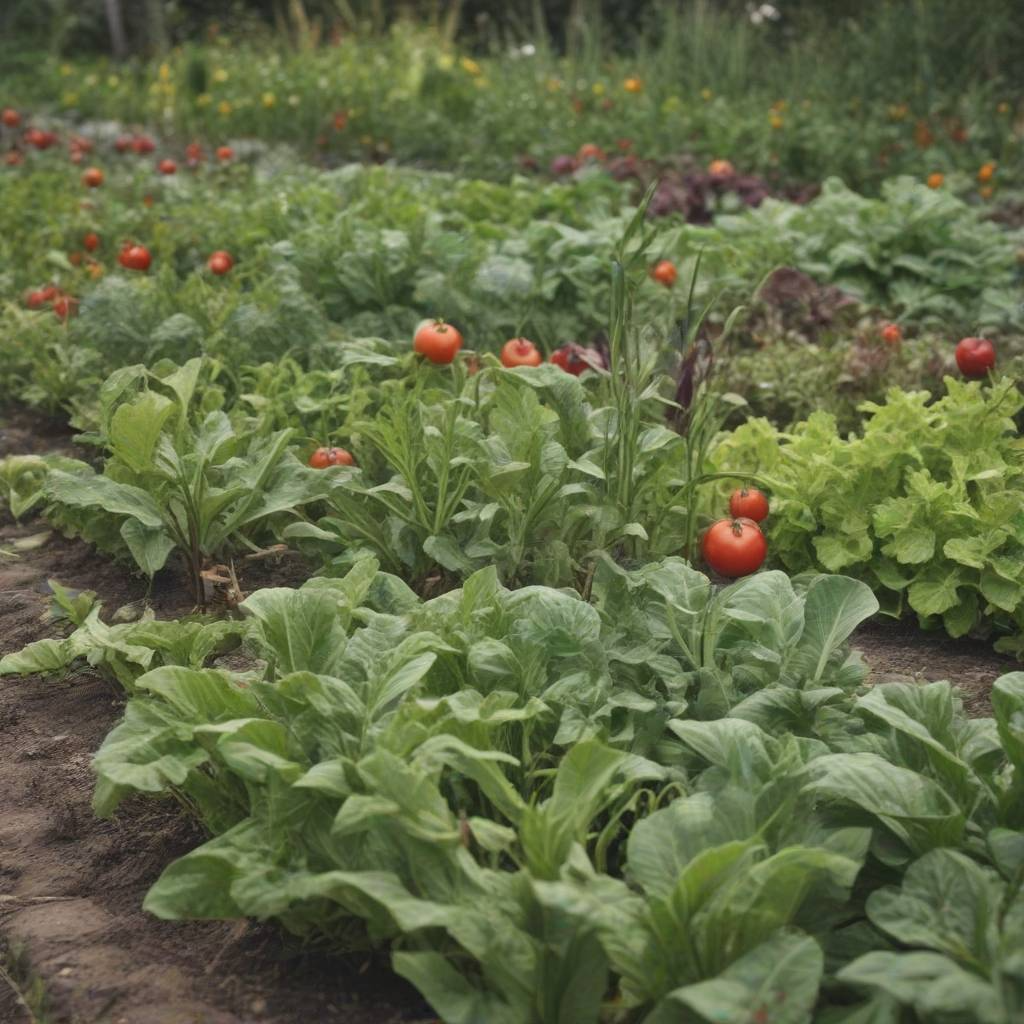
“From Seed to Harvest: A Seasonal Guide to Growing Vegetables”
Welcome to our comprehensive guide to growing vegetables, where we embark on a journey “From Seed to Harvest.” This seasonal handbook is your trusted companion, navigating you through the intricate process of cultivating a bountiful garden. From the tender beginnings of sowing seeds to the joyous culmination of harvest, we delve into every stage with precision and care. this guide offers invaluable insights, tips, and techniques to ensure your vegetable patch thrives throughout the seasons. Join us as we explore the art and science of cultivating nature’s bounty, Guide to Growing Vegetables.
Choosing the Right Seeds: Factors to consider for success
Embarking on the journey of growing your own vegetables is like embarking on a culinary adventure right in your backyard. But before you can reap the harvest, you need to start with the right seeds. Choosing the perfect seeds can be a daunting task, but fear not! We’ve got you covered with some handy tips to ensure your vegetable garden thrives.
Quality Over Quantity: The Seed Selection Dilemma
When it comes to choosing seeds for your vegetable garden, quality should always trump quantity. Sure, it might be tempting to grab a handful of bargain seeds, but remember, you get what you pay for. Opt for reputable seed suppliers known for their high-quality seeds. Your future veggies will thank you for it!
Know Your Zone: Climate Considerations for Seed Success
One of the most crucial factors to consider when selecting seeds for your vegetable garden is your climate zone. Different vegetables thrive in different environments, so it’s essential to choose seeds that are suited to your specific climate. Do a little research or consult with local gardening experts to determine which vegetables are best suited to your zone.
Space Matters: Matching Seeds to Your Garden’s Size
Before you start stocking up on seeds, take a good look at your vegetable garden space. Consider factors like available sunlight, soil quality, and available space. Some vegetables, like sprawling pumpkins or zucchinis, require plenty of room to spread out, while others, like carrots or lettuce, can thrive in smaller spaces. Choose seeds that match the size and layout of your garden to maximize your harvest potential.
Timing Is Everything: The Importance of Planting Dates
In the world of vegetable gardening, timing is everything. Different vegetables have different planting and harvesting seasons, so it’s crucial to choose seeds that align with your local climate and planting schedule. Consider factors like frost dates and average temperatures to ensure you’re planting your seeds at the optimal time for success. After all, nobody wants to be harvesting tomatoes in the dead of winter!
Consider Your Culinary Needs: Choosing Vegetables You’ll Love
While it’s essential to consider factors like climate and space when selecting seeds for your vegetable garden, don’t forget to think about your culinary preferences too! After all, there’s no point in growing vegetables you won’t enjoy eating. Take some time to think about which vegetables you and your family love to eat, and choose seeds accordingly. Whether you’re a fan of crunchy cucumbers, sweet cherry tomatoes, or spicy peppers, there’s a vegetable out there for everyone.
Embrace Diversity: The Beauty of Variety in Your Garden
Variety is the spice of life, and the same goes for your vegetable garden! Don’t be afraid to mix things up and experiment with different types of vegetables. Not only does planting a diverse range of vegetables add visual interest to your garden, but it also helps promote biodiversity and can even help prevent pests and diseases. So go ahead, plant those heirloom tomatoes next to your rainbow chard and watch your garden come to life with color and flavor.
Stay Organized: Keep Track of Your Seed Selections
With so many factors to consider when selecting seeds for your vegetable garden, it’s essential to stay organized. Keep track of which seeds you’ve planted, when you planted them, and any other relevant information to help you stay on top of your gardening game. Consider keeping a gardening journal or using a gardening app to help you stay organized and ensure your vegetable garden stays thriving all season long.
Preparing Healthy Soil for Optimal Growth
Hey there, green thumbs! Are you ready to dive into the dirt and cultivate some veggie magic? Well, before you start planting those juicy tomatoes or crisp carrots, let’s talk about the unsung hero of every thriving garden: the soil. Yep, that’s right! It’s time to roll up those sleeves and get down to the nitty-gritty of preparing healthy soil for optimal growth in your vegetable garden.
The Soil Saga: Setting the Stage for Success
Picture this: your vegetable garden is like a stage, and the soil is the star performer. Without nutrient-rich soil, your veggies might struggle to reach their full potential. So, step one on your gardening journey is to assess the state of your soil. Is it sandy and loose, or dense like clay? Knowing your soil type will help you tailor your approach to nurturing it.
Unleashing the Power of Compost: Nature’s Superfood for Soil
Now, let’s talk about compost, aka nature’s superfood for soil. Think of compost as a delicious buffet for your plants, packed with essential nutrients and beneficial microorganisms. By adding compost to your soil, you’re not just feeding your plants; you’re creating a vibrant ecosystem where beneficial bacteria and fungi can thrive. So, grab those kitchen scraps, yard waste, and coffee grounds, and let the composting magic begin!
Mulch Madness: Keeping Your Soil Cool and Moist
Ah, mulch – the unsung hero of the gardening world. Not only does mulch add a touch of aesthetic flair to your garden beds, but it also plays a crucial role in soil health. By covering the soil with a layer of mulch, you’re not only keeping weeds at bay but also locking in moisture and regulating soil temperature. Plus, as the mulch breaks down, it adds valuable organic matter to the soil, further enriching it for your precious veggies.
The Importance of pH Balance: Finding Harmony in Your Garden’s Soil
Just like humans, plants have their own preferred pH levels for optimal growth. Some veggies like it slightly acidic, while others thrive in more alkaline conditions. So, it’s essential to test your soil’s pH and make any necessary adjustments to ensure that it’s in the sweet spot for your chosen crops. Whether you need to add lime to raise the pH or sulfur to lower it, finding the right balance will set the stage for a successful vegetable garden.
Germination Essentials: Techniques for healthy sprouts
Cozying Up: Proper Seed Bed Preparation
Now, let’s talk about setting the stage for germination success. Your seeds need a cozy, nutrient-rich environment to sprout happily ever after. Prepare a well-draining seed bed, free from pesky weeds and debris. Think of it as creating a comfy nest for your soon-to-be sprout babies.
Moisture Management: Finding the Goldilocks Zone
Ah, moisture—the elixir of life for our tiny sprouts. But beware, too much or too little can throw off the delicate balance. Aim for the Goldilocks zone—just the right amount of moisture to keep those seeds hydrated without drowning them. It’s like finding the perfect balance in a yoga pose.
Patience, Young Grasshopper: The Waiting Game
Ah, the hardest part of germination: waiting. But fear not, dear gardener, patience is your greatest ally. Resist the urge to disturb the soil or peek under the covers too soon. Trust in the process, like waiting for a cake to rise in the oven—it’ll be worth it in the end.
Let There Be Light: Sunshine, Sprouts, and Photosynthesis
Once your sprouts emerge from their cozy beds, it’s time to introduce them to the magic of sunshine. Place them in a sunny spot where they can soak up those glorious rays and kickstart the photosynthesis party. Think of it as giving them a front-row seat to their own growth extravaganza.
Tender Loving Care: Nurturing Your Baby Sprouts
Just like newborns, baby sprouts need plenty of TLC to thrive. Keep an eye on moisture levels, fend off any pesky pests, and provide gentle support as they grow. Think of yourself as a proud plant parent, cheering on your sprouts every step of the way.
Transplanting Tips: Moving Day for Your Sprout Squad
As your sprouts mature, it’s time for the big move to their permanent garden home. Handle them with care, ensuring minimal root disturbance during transplanting. Think of it as sending your kids off to college—bittersweet, but oh so exciting to see them spread their roots.
Nurturing Young Plants: Providing optimal care during growth.
Choosing the Right Spot
First things first, let’s talk location, location, location! Just like us, plants have their preferences. Find a spot in your garden that gets plenty of sunlight—about 6 to 8 hours a day is ideal for most veggies. Also, make sure the soil is well-draining and rich in nutrients. Think of it as giving your plants a five-star hotel to call home!
Starting from Seedlings
Now that you’ve got your spot picked out, it’s time to introduce your young plants to their new digs. If you’re starting from seedlings, handle them with care. These little guys are delicate, so gently loosen their roots before planting. Remember, they’re like the babies of your garden—fragile but full of potential!
Water, Water, Everywhere (But Not Too Much)
Ah, the age-old question: how much water is too much water? It’s a fine balance, my friends. While young plants need regular watering to thrive, soggy soil can lead to root rot—a gardener’s worst nightmare! Stick to a schedule, giving your plants a good drink when the top inch of soil feels dry. And don’t forget to water the base, not the leaves—no one likes soggy feet or wet heads!
Feeding Time: Hunger Solution
Just like us after a workout, plants need their nutrients to grow big and strong. Consider adding some organic fertilizer to your garden bed to give your veggies the boost they need. And hey, if you’re feeling extra fancy, why not treat them to some compost? It’s like a gourmet meal for your plants, packed with all the good stuff they crave!
Keeping the Pests at Bay
Ah, pests—the uninvited guests of every garden party. But fear not, fellow gardeners, for there are ways to keep these pesky critters at bay! Consider planting companion herbs like basil and mint to deter unwanted visitors. And if all else fails, a homemade garlic spray should do the trick. After all, nothing ruins a veggie garden faster than a hungry bug!
Patience is a Virtue
Last but certainly not least, remember to be patient. Rome wasn’t built in a day, and neither is a thriving vegetable garden. Enjoy the journey, relish in the small victories, and don’t sweat the occasional setback. Before you know it, you’ll be harvesting your own homegrown veggies and basking in the satisfaction of a job well done!
Year-Round Vegetable Gardening Tips and Tricks
Now that you’re a seasoned vegetable gardener, it’s time to take your skills to the next level with some year-round tips and tricks to keep your garden thriving in every season.
First things first, embrace the power of succession planting. Rather than planting your entire garden at once, stagger your plantings throughout the season to ensure a continuous harvest. This not only maximizes your yield but also helps prevent a glut of produce all at once.
Next, don’t overlook the importance of crop rotation. By rotating your crops each season, you can help prevent soil-borne diseases and pests from taking hold while replenishing essential nutrients in the soil. Plus, rotating crops can also help break up pest and disease cycles, keeping your garden healthy and productive year after year.
Spring: Planting Cool-Season Crops and Starting Seeds
Ah, spring! The perfect time to dive into your vegetable garden with renewed enthusiasm. As the temperatures begin to rise and the days lengthen, it’s time to get those hands dirty. One of the joys of spring is planting cool-season crops and starting seeds for a bountiful harvest ahead.
There’s something magical about watching tiny seeds sprout into vibrant seedlings, isn’t there? Whether you’re growing crunchy lettuce, tender spinach, or colorful radishes, spring is the time to get them in the ground. With the threat of frost diminishing, it’s safe to sow these cool-loving veggies directly into your garden beds or containers.
But wait, there’s more! Don’t forget about starting seeds indoors for warm-season crops like tomatoes, peppers, and eggplants. By getting a head start indoors, you’ll give these heat-loving plants the jump they need to thrive once summer arrives.
Summer: Managing Heat and Watering Needs for Maximum Growth
Summer in the vegetable garden can be both exciting and challenging. With the sun beating down and temperatures soaring, it’s essential to stay on top of managing heat and watering needs for your plants’ optimal growth.
The key to success during the sweltering summer months is proper hydration – for both you and your plants! Make sure to water deeply and consistently, especially during dry spells, to keep your veggies happy and hydrated. Consider investing in a drip irrigation system or soaker hoses to ensure efficient water delivery while conserving this precious resource.
When it comes to beating the heat, mulch is your best friend. Apply a thick layer of organic mulch, such as straw or shredded leaves, around your plants to help retain moisture in the soil and keep the roots cool. Plus, mulch also suppresses weeds, so you’ll spend less time pulling and more time enjoying your thriving garden.
Fall: Extending the Harvest with Cold-Hardy Varieties
As summer fades into fall, it’s time to shift gears in the vegetable garden and embrace the cooler temperatures. But just because the weather is cooling down doesn’t mean your harvest has to come to an end. With cold-hardy varieties, you can extend the bounty well into autumn and beyond.
Think beyond the traditional summer crops and explore the world of cold-tolerant vegetables like kale, Brussels sprouts, and carrots. These resilient plants can withstand chilly nights and even light frosts, allowing you to continue harvesting fresh produce long after other crops have called it quits.
To maximize your fall harvest, consider using season extenders like row covers or cold frames to provide additional protection against frost. With a little planning and ingenuity, you can enjoy a continuous supply of homegrown goodness straight from your garden well into the cooler months.
Winter: Planning and Preparing for the Next Growing Season
As winter blankets the landscape in a frosty embrace, it’s time to shift your focus from harvesting to planning and preparing for the next growing season. While the vegetable garden may be dormant, there’s plenty to do to ensure a successful and bountiful harvest come spring.
Start by taking stock of your garden layout and considering any changes or improvements you’d like to make. Maybe you want to expand your raised beds, try out a new trellis system, or experiment with companion planting. Winter is the perfect time to sketch out your plans and dream big for the season ahead.
Don’t forget about soil health! Use this time to amend your garden beds with compost, aged manure, or other organic matter to enrich the soil and provide essential nutrients for your plants. Healthy soil is the foundation of a thriving garden, so invest the time now, and you’ll reap the rewards later.
Harvesting and Beyond: Tips for a bountiful yield.
So, you’ve put in the hard work, nurturing those tender seedlings, watching them grow into robust plants in your vegetable garden. Now comes the exciting part: harvesting! But wait, there’s more to it than just plucking your produce. Let me guide you through the art of harvesting and beyond, ensuring a bountiful yield that’ll make your neighbors green with envy!
Harvesting: Timing is Key
Timing is everything when it comes to harvesting your vegetables. Each veggie has its own peak harvesting time, so pay attention to the signs. For example, tomatoes should be picked when they’re firm and fully colored, while lettuce is best harvested when the leaves are young and tender. Trust me, there’s nothing quite like the taste of freshly picked veggies from your own garden!
Gentle Handling for Maximum Flavor
Handle your harvest with care to preserve its freshness and flavor. Avoid bruising or crushing your vegetables, as this can lead to spoilage. Instead, gently pluck them from the plant using a sharp pair of scissors or pruners. Treat your veggies like delicate treasures, and they’ll reward you with unmatched taste and texture.
Extend Your Harvest with Succession Planting
Why settle for a single harvest when you can enjoy a continuous supply of fresh produce? With succession planting, you can stagger your plantings to ensure a steady stream of veggies throughout the growing season. Simply sow new seeds or transplant seedlings every few weeks to fill in the gaps left by harvested crops. It’s like having your own personal grocery store in your backyard!
Preserve the Bounty: Canning, Freezing, and More
Don’t let any of your precious harvest go to waste! Preserve your excess produce through various methods like canning, freezing, or pickling. This not only extends the lifespan of your veggies but also allows you to enjoy them long after the growing season is over. Plus, there’s something incredibly satisfying about opening a jar of homemade pickles or a bag of frozen peas in the dead of winter.
Harvesting Happiness: Share the Bounty
There’s something incredibly rewarding about sharing the fruits of your labor with others. Whether it’s gifting a basket of fresh veggies to a neighbor or hosting a garden-to-table dinner party, spreading the joy of homegrown produce is a wonderful way to connect with your community. Plus, it’s a great excuse to show off your green thumb and inspire others to start their own vegetable gardens.
From seed to harvest, cultivating a vegetable garden is a journey of nurturing, patience, and joy. By following this seasonal guide, you can maximize your yield and savor the fruits of your labor. Remember to implement sustainable practices like using Zardens FRP planters, which not only provide a sturdy container for your plants but also promote healthy root growth and water retention. So, whether you’re a seasoned gardener or a novice green thumb, embrace the adventure of growing your own veggies. With a little care and dedication, your garden will flourish, providing you with fresh, flavorful produce all season long.
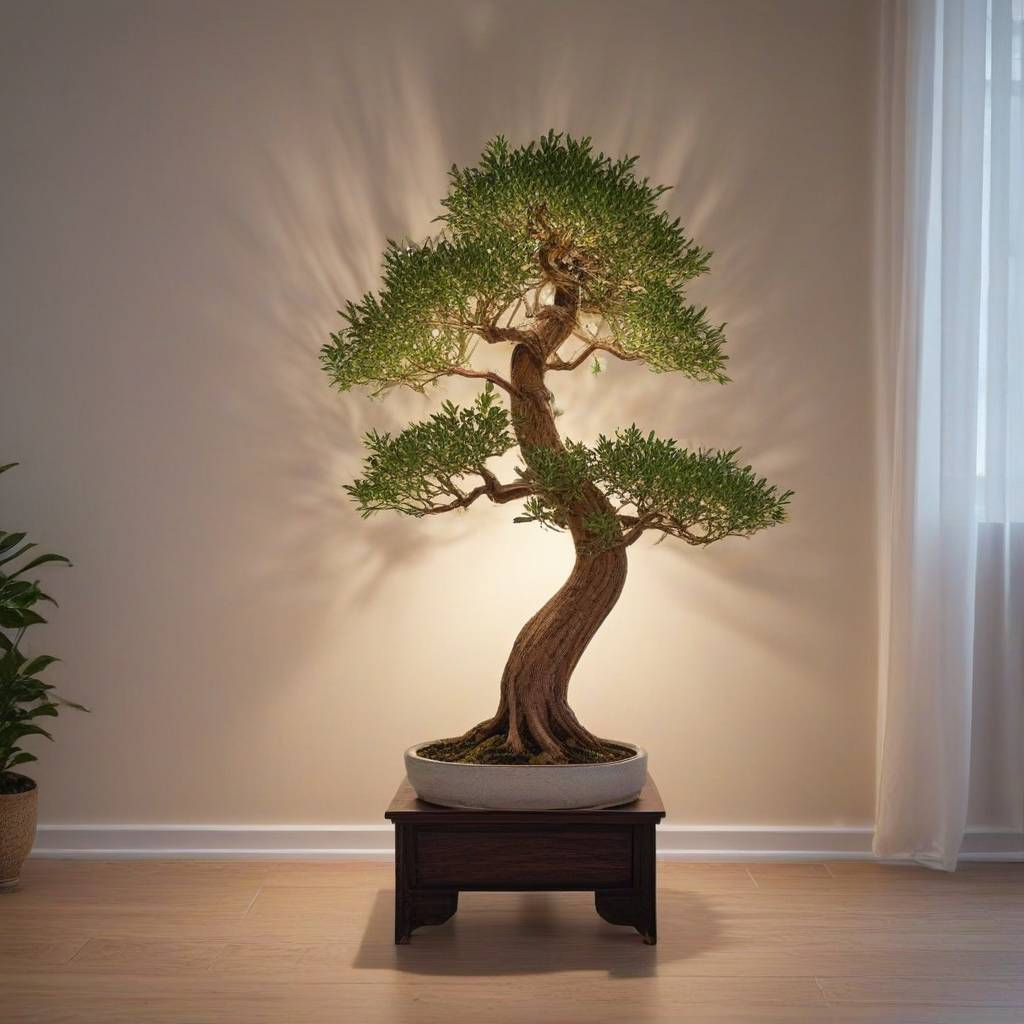
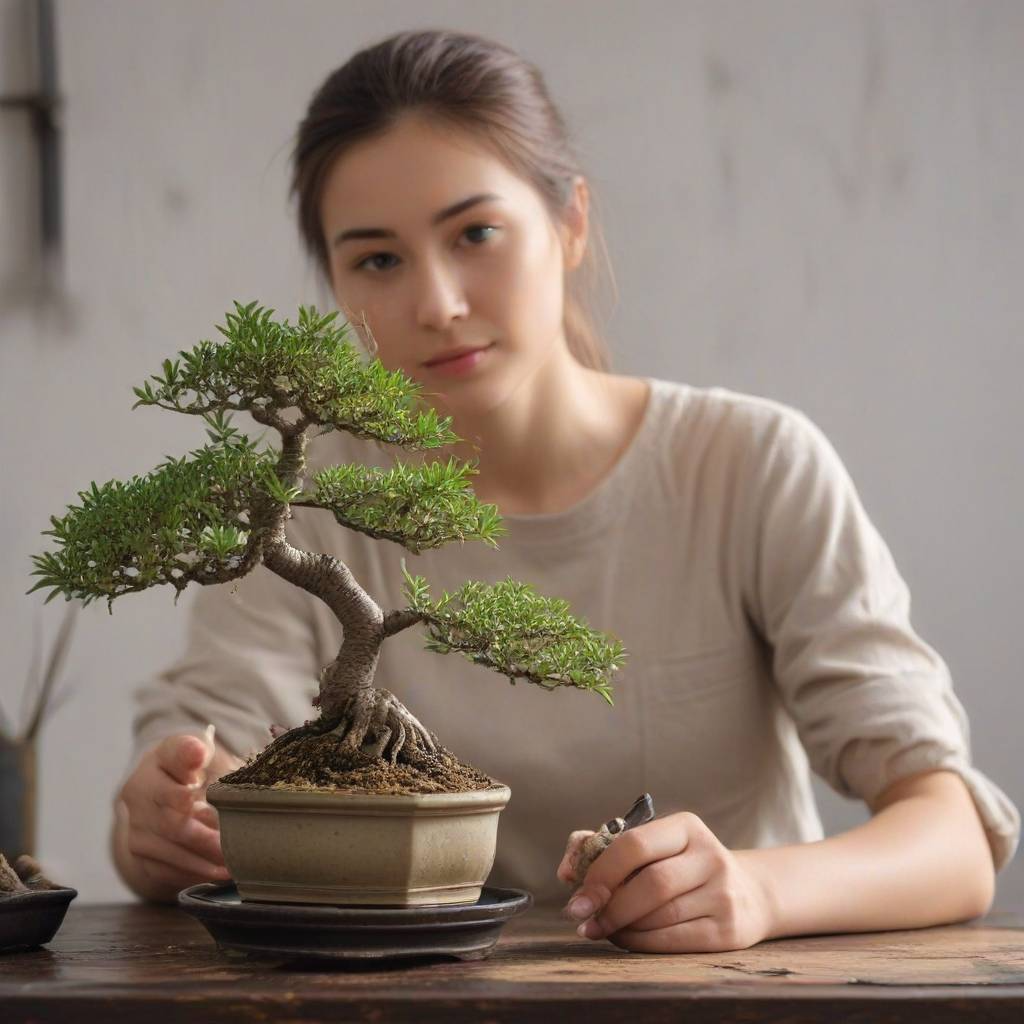
The Secrets of Bonsai: A Journey into Miniature Landscapes
Timeless Charm of Bonsai Plants
Delving into the world of bonsai plants is like embarking on a journey through time and culture. These miniature masterpieces carry within them a rich tapestry of history and symbolism, captivating enthusiasts worldwide. Let’s explore the fascinating origins and enduring significance of these tiny trees and The Secrets of Bonsai.
Origins: Tracing the Roots of Bonsai
Bonsai, a Japanese term meaning “planted in a container,” has its roots deeply embedded in Chinese culture. Initially practiced by ancient Chinese scholars as early as the 6th century, bonsai cultivation was seen as a harmonious union of art, nature, and philosophy. Later embraced by the Japanese, bonsai evolved into a distinct art form, reflecting the Zen principles of balance, simplicity, and reverence for nature.
Symbolism: Unveiling the Meaning Behind the Miniature
Beyond their aesthetic appeal, bonsai plants carry profound symbolism, each meticulously crafted to convey a specific message or evoke a particular feeling. In Japanese culture, these miniature trees symbolize patience, perseverance, and the beauty of impermanence. Their ability to thrive in confined spaces mirrors the resilience of the human spirit, inspiring contemplation and introspection.
Cultural Significance: Bonsai in Art, Literature, and Beyond
Throughout history, bonsai has left an indelible mark on various facets of culture, influencing art, literature, and even popular culture. From ancient scrolls depicting miniature landscapes to modern-day exhibitions showcasing intricate bonsai specimens, these diminutive trees continue to captivate and inspire artists and enthusiasts alike. In literature, bonsai often serves as a metaphor for life’s journey, with its twists and turns mirrored in the intricate pruning and shaping of the tree’s branches.
The Modern Renaissance: Bonsai in the 21st Century
In recent years, bonsai cultivation has experienced a renaissance, with enthusiasts from all walks of life rediscovering the joy of nurturing these miniature marvels. From traditionalists adhering to centuries-old techniques to modern innovators experimenting with new styles and species, the world of bonsai is vibrant and ever-evolving. Social media platforms have played a significant role in this resurgence, connecting bonsai enthusiasts worldwide and fostering a sense of community and camaraderie.
The Mystique: A Beginner’s Journey into Bonsai
Embarking on the bonsai adventure is like entering a miniature wonderland where trees tell stories through their branches. But before diving into the art of bonsai, let’s unravel the basics, shall we?
Choosing the Right Tree: Where the Journey Begins
Selecting the perfect tree for your bonsai journey is akin to finding a lifelong companion. Consider starting with resilient species like junipers or ficus, ideal for beginners. These hardy trees forgive occasional lapses in care, offering room for learning and growth.
As you browse through nurseries or online shops, trust your instincts. Seek trees with well-defined trunks and pleasing proportions. Remember, your bonsai tree will be your muse, so choose one that speaks to your heart.Creating these miniature masterpieces isn’t just about pruning and shaping; it’s about selecting the perfect plant to cultivate.
Here, we unveil the top 10 plants for bonsai enthusiasts
Japanese Maple (Acer palmatum): Renowned for its stunning foliage and graceful branching, the Japanese Maple is a quintessential choice for bonsai. Its delicate leaves turn fiery shades of red, orange, and yellow in autumn, adding a burst of color to any collection.
Juniper (Juniperus spp.): With its rugged appearance and resilience, the Juniper is a favorite among bonsai practitioners. Its evergreen foliage and gnarled trunk evoke a sense of ancient wisdom, making it an ideal candidate for creating dramatic, windswept designs.
Chinese Elm (Ulmus parvifolia): As one of the most adaptable and forgiving species, the Chinese Elm is perfect for beginners and seasoned bonsai artists alike. Its small, glossy leaves and intricate bark lend themselves well to various styles, from formal upright to cascade.
Ficus (Ficus spp.): Whether it’s the Ficus Retusa or Ficus Microcarpa, these tropical trees are beloved for their lush foliage and aerial root systems. With proper care, Ficus bonsai can thrive indoors, bringing a touch of the exotic into any living space.
Trident Maple (Acer buergerianum): Prized for its brilliant autumn colors and distinctive three-lobed leaves, the Trident Maple is a treasure in the world of bonsai. Its elegant silhouette and fine ramification make it a favorite for creating refined, miniature landscapes.
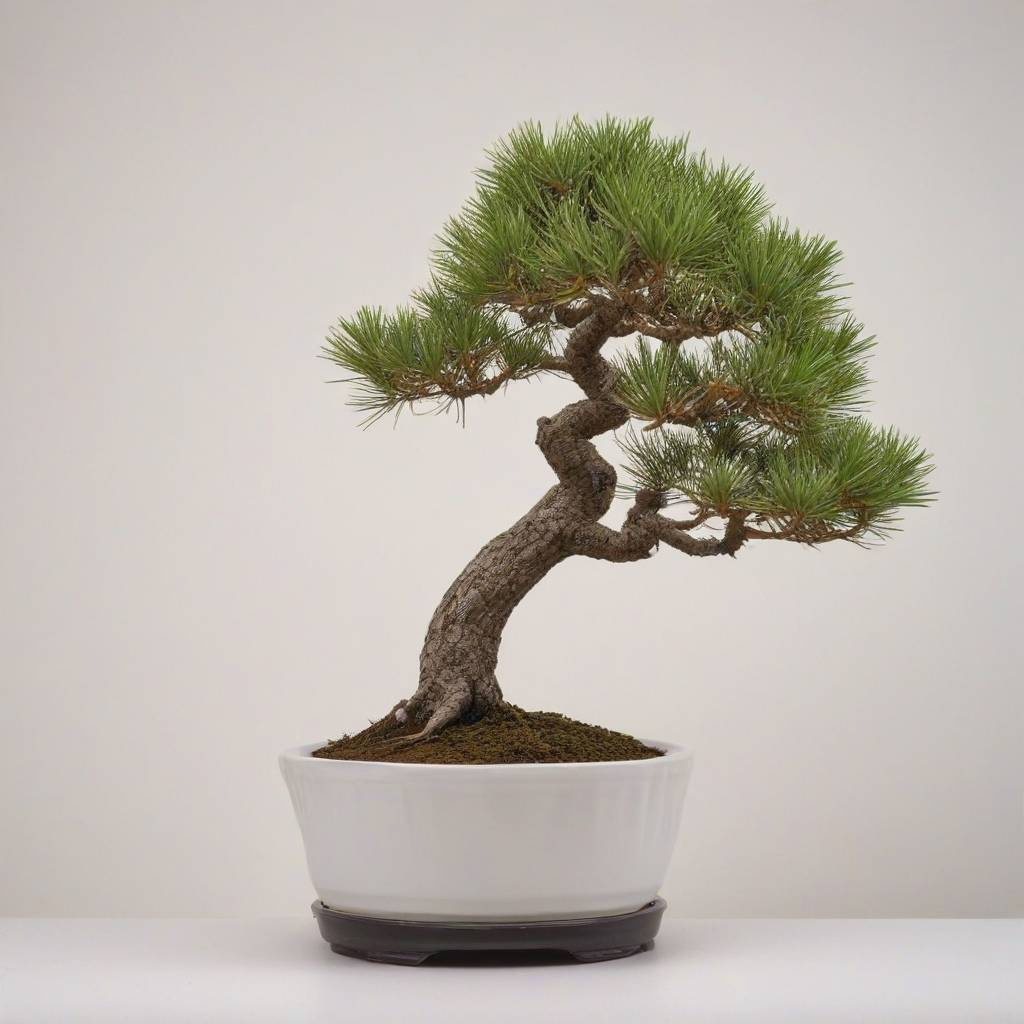
Pine (Pinus spp.): For those seeking a challenge, Pine bonsai offer a rewarding journey. From the rugged Scots Pine to the elegant Japanese Black Pine, these conifers require patience and skill to coax into the classic bonsai form, but the results are truly breathtaking.
Satsuki Azalea (Rhododendron indicum): Celebrated for their vibrant blooms and compact growth habits, Satsuki Azaleas are a feast for the senses in bonsai form. With proper pruning and wiring, these miniature marvels can showcase a profusion of color year after year.
Boxwood (Buxus spp.): Known for their dense foliage and ability to withstand heavy pruning, Boxwoods are ideal for creating dense, compact bonsai designs. Their small leaves and fine branches lend themselves well to formal styles like the broom and the cloud.
Japanese Black Pine (Pinus thunbergii): Revered for their rugged beauty and symbolic significance, Japanese Black Pines are a staple in traditional bonsai culture. Their rugged bark, twisted trunks, and deep green needles evoke a sense of strength and resilience.
Japanese White Pine (Pinus parviflora): With its graceful form and delicate needles, the Japanese White Pine embodies the timeless elegance of bonsai. Whether styled as a formal upright or cascading masterpiece, this species exudes serenity and tranquility.
The Toolbox: A Bonsai Gardener’s Best Friends
Embarking on a journey into the enchanting world of bonsai gardening? Hold onto your pruning shears because we’re diving deep into the essential tools every bonsai enthusiast needs to cultivate their tiny arboreal masterpieces. From the humble soil beneath your bonsai’s roots to the precision scissors that shape its branches, let’s explore the must-haves for your bonsai toolkit.
1. Soil Selection: The Foundation of Bonsai Brilliance
Picture this: your bonsai is a skyscraper, and the soil is its bedrock foundation. Just as a sturdy base ensures a towering building’s stability, the right soil mix is paramount for your bonsai’s health and growth. Opt for well-draining soil blends tailored to your tree’s species, providing the perfect balance of aeration and moisture retention. Say goodbye to soggy roots and hello to thriving foliage!
2. Pruning Tools: Crafting Nature’s Canvas
Ah, the art of bonsai pruning—a delicate dance between precision and creativity. Enter stage left: your trusty pruning tools. From scissors to shears, these handheld wonders are your ticket to sculpting your bonsai’s silhouette with finesse. Remember, less is often more in the world of bonsai, so wield your tools with a gentle touch and a keen eye for balance. With each snip and clip, you’re not just shaping a tree—you’re shaping a masterpiece.
3. Watering Essentials: Quenching Nature’s Thirst
Water, the elixir of life for your bonsai companion. But beware: too much or too little can spell disaster for your miniature marvel. Equip yourself with a watering can or mister to deliver hydration with precision, ensuring every drop reaches its intended destination. Pay heed to your bonsai’s individual needs, adjusting your watering schedule based on factors like season, humidity, and soil moisture. With a splash here and a sprinkle there, you’ll keep your bonsai happy and hydrated for years to come.
4. Wiring Wizardry: Crafting Shapes with Finesse
Ever dreamed of bending nature to your will? Enter the world of bonsai wiring, where artistry meets horticulture in a dance of elegant manipulation. Armed with aluminum or copper wire, you have the power to guide your bonsai’s branches with grace and precision, coaxing them into sinuous curves or dramatic cascades. But tread lightly, dear gardener, for too much force can lead to injury. Practice patience and finesse as you weave your bonsai’s destiny one twist at a time.
5. Fertilizer Finesse: Nourishing Growth from Within
Just like a balanced diet fuels your body, the right fertilizer nourishes your bonsai from root to tip. Choose a fertilizer formulated specifically for bonsai cultivation, rich in essential nutrients like nitrogen, phosphorus, and potassium. With regular applications during the growing season, you’ll fuel robust growth and vibrant foliage, transforming your bonsai into a verdant work of living art. Remember, moderation is key—too much fertilizer can overwhelm your bonsai’s delicate roots, so err on the side of caution as you feed your miniature masterpiece.
6. Sheltering Shields: Protecting Your Bonsai from the Elements
Mother Nature can be both friend and foe to your bonsai garden, with her whimsical weather patterns and unpredictable pests. Arm yourself with protective shields like frost cloth or insect netting to safeguard your bonsai from nature’s tantrums. Whether it’s shielding delicate foliage from frosty winds or warding off pesky pests, these simple yet effective defenses ensure your bonsai’s well-being year-round. With a little foresight and preparation, you’ll weather any storm that comes your way, emerging victorious with your bonsai garden intact.
Bonsai Care : Year-Round Maintenance
Bonsai trees are like tiny pieces of nature’s artwork, requiring a delicate touch and attentive care throughout the year. Each season brings its own set of challenges and opportunities for nurturing these miniature marvels. Whether you’re a seasoned bonsai enthusiast or just starting out on your green-thumb journey, understanding how to care for your bonsai in every season is essential for its health and longevity. Let’s dive into some tips to keep your bonsai thriving year-round!
Spring Spruce-Up: Refreshing Your Bonsai
As the world awakens from its winter slumber, so too do bonsai trees spring back to life with renewed vigor. Spring is a time of growth and renewal for bonsai, making it the perfect opportunity to refresh your tree’s appearance and set the stage for a flourishing season ahead. Start by inspecting your bonsai for any signs of winter damage or disease, trimming away dead or diseased branches with sharp, clean pruning shears. Next, repot your bonsai if it has outgrown its current container, using fresh soil to replenish nutrients and promote healthy root growth. Finally, fertilize your bonsai with a balanced fertilizer to give it the boost it needs to thrive in the coming months.
Summer Sun: Shielding Your Bonsai from Heat Stress
As temperatures rise and the sun beats down, it’s important to protect your bonsai from the scorching summer heat. Position your bonsai in a location where it will receive filtered sunlight during the hottest parts of the day, such as under a shade tree or on a covered porch. Water your bonsai regularly, keeping the soil evenly moist but not waterlogged, and mist the leaves with a fine spray of water to increase humidity and prevent them from drying out. If you live in a particularly hot climate, consider placing a layer of mulch around the base of your bonsai to help retain moisture and regulate soil temperature.
Fall Foliage: Preparing Your Bonsai for Winter
As autumn leaves begin to fall, it’s time to start preparing your bonsai for the colder months ahead. Begin by gradually reducing the frequency of watering and fertilizing your bonsai as it enters its dormant phase. This will help prevent new growth from being damaged by frost and conserve energy for the winter ahead. Inspect your bonsai for any pests or diseases that may have taken up residence over the summer months, treating them promptly with organic pesticides or fungicides as needed. Finally, protect your bonsai from freezing temperatures by bringing it indoors or placing it in a sheltered location such as a garage or greenhouse.
Winter Wellness: Providing TLC During the Cold Months
Winter can be a challenging time for bonsai, with cold temperatures and reduced sunlight putting stress on your tree’s delicate ecosystem. To help your bonsai weather the winter months, keep it in a cool but frost-free location where it will receive plenty of indirect sunlight. Water your bonsai sparingly, being careful not to let the soil dry out completely between waterings. If your bonsai is kept indoors, consider placing it near a humidifier to help maintain optimal humidity levels. During periods of extreme cold, protect your bonsai from frost damage by wrapping the pot in insulation or placing it inside a protective cover. With a little extra care and attention, your bonsai will emerge from winter ready to greet the spring with renewed vitality.
Choosing the Right FRP Planter : Style and Functionality
So, you’ve decided to jazz up your space with some fabulous FRP planters. But wait, before you dive headfirst into the world of fiberglass-reinforced plastic, let’s talk style and functionality. After all, you want your plant babies to thrive in a container that’s not only chic but also practical, right? Let’s break it down.
Finding Your Style
When it comes to style, FRP planters offer a smorgasbord of options. From sleek and modern to rustic and charming, there’s a planter out there to suit every taste. Think about the aesthetic of your space—are you going for a minimalist vibe or something more eclectic? Consider the colors, shapes, and textures that will complement your decor and bring your vision to life. Whether you’re envisioning a row of geometric planters lining your patio or a statement piece for your living room, let your imagination run wild.
Balancing Form and Function
While style is important, functionality should never be overlooked. After all, your plant’s health depends on it! When choosing an FRP planter, consider factors like drainage, size, and durability. Opt for planters with drainage holes to prevent waterlogged soil and root rot—your plants will thank you later. Additionally, think about the size of your plant’s root system and choose a planter with enough room to accommodate its growth. And don’t forget about durability—look for planters that can withstand the elements if you’ll be placing them outdoors. A little rain or shine shouldn’t cramp your plant’s style!
Practical Considerations
Now, let’s get down to brass tacks. When selecting an FRP planter, think about the practicalities of maintenance and upkeep. Are you a green thumb guru with time to spare for regular watering and repotting? Or do you need something low-maintenance that can thrive with minimal attention? Consider factors like material weight, ease of cleaning, and UV resistance. Lightweight planters are great for maneuverability, while UV-resistant coatings can help protect against sun damage. And if you’re a busy bee, self-watering systems or built-in reservoirs can help keep your plants hydrated while you’re off living your best life.
Incorporating Your Personal Touch
Last but certainly not least, don’t forget to inject a little bit of your personality into your planters. Whether it’s adding decorative accents like pebbles or moss, or customizing with paint or decals, there are countless ways to make your planters uniquely yours. Get creative and have fun with it! After all, your planters should reflect your style and personality just as much as the plants they house. So go ahead, let your inner plant parent shine!
Transform Your Space with These 7 Bonsai Décor Ideas
Bonsai trees aren’t just plants; they’re living works of art that can breathe life into any space. Whether you’re a seasoned bonsai enthusiast or just dipping your toes into the art form, there are endless ways to incorporate these miniature marvels into your home décor. Let’s explore seven creative and delightful ways to elevate your space with the beauty of bonsai.
1. Bonsai Centerpieces: Bringing Nature to Your Table
Why settle for ordinary table centerpieces when you can dazzle your guests with bonsai beauty? Imagine a sleek tabletop FRP planter adorned with a miniature masterpiece, adding a touch of serenity to your dining experience. Whether it’s a formal dinner party or a cozy family gathering, a bonsai centerpiece is sure to spark conversation and admiration.
2. Bonsai Terrariums: Miniature Worlds of Wonder
Step into a world of enchantment with bonsai terrariums. Utilizing a tabletop FRP planter, create your own tiny ecosystem by combining bonsai trees with moss, rocks, and other miniature plants. These living dioramas not only add visual interest to any space but also provide a serene escape into nature, right in the comfort of your home.
3. Bonsai Wall Art: Elevate Your Vertical Space
Why limit your décor to horizontal surfaces when you can elevate it—literally? Transform your walls into living galleries with bonsai wall art. Utilize hanging FRP planters to showcase your miniature masterpieces in a vertical arrangement, adding depth and dimension to any room. Whether it’s a single statement piece or a series of cascading bonsai, your walls will thank you for the green makeover.
4. Bonsai Zen Gardens: Cultivate Tranquility
Seeking inner peace? Look no further than a bonsai zen garden. Create your own oasis of calm by incorporating bonsai trees into a traditional Japanese-inspired garden. Utilize a tabletop FRP planter as the focal point, surrounding it with sand, rocks, and miniature accessories to evoke a sense of serenity and balance. Whether placed on a desk or a meditation altar, your bonsai zen garden will serve as a gentle reminder to pause, breathe, and find peace in the present moment.
5. Bonsai Bookends: Where Function Meets Beauty
Why settle for ordinary bookends when you can add a touch of greenery to your literary collection? Utilize miniature bonsai trees as living bookends, framing your favorite volumes with natural beauty. Place them on a shelf or a tabletop, using FRP planters to anchor your books in style. Not only do bonsai bookends add visual interest to your space, but they also bring a breath of fresh air to your reading nook.
6. Bonsai Fairy Gardens: Whimsical Delights for All Ages
Let your imagination take flight with bonsai fairy gardens. Create enchanting miniature worlds where bonsai trees serve as the towering giants of a whimsical landscape. Use a tabletop FRP planter as the foundation, filling it with moss, tiny figurines, and miniature accessories to bring your fairy tale to life. Whether it’s a secret garden tucked away in a corner or a whimsical centerpiece for your coffee table, bonsai fairy gardens are sure to spark joy and wonder for all ages.
7. Bonsai Accent Lighting: Illuminate with Elegance
Why settle for ordinary lighting when you can illuminate your space with bonsai beauty? Incorporate bonsai trees into your lighting fixtures for a truly unique and elegant touch. Utilize a tabletop FRP planter as the base, surrounding it with LED lights to create a soft, ethereal glow. Whether used as bedside lamps or statement pieces in your living room, bonsai accent lighting adds a touch of magic to any space, transforming it into a luminous sanctuary of style and serenity.
Embracing the Beauty of Bonsai
In a world where trends come and go like fleeting seasons, there’s something reassuring about the timeless allure of bonsai. These miniature marvels embody centuries of patience, craftsmanship, and reverence for nature’s elegance. Each twist of the trunk, every delicate leaf, whispers stories of resilience and harmony. Embracing bonsai isn’t just about cultivating plants; it’s a journey into the soul of horticulture, where art and science dance in perfect harmony. With bonsai, time slows down, allowing us to savor the beauty of the moment and appreciate the profound wisdom that comes with nurturing something so ancient yet evergreen with The Secrets of Bonsai
Zardens Fiberglass Planters, a perfact match for all Bonsai lovers, choose your Planters. – Zardens.com
Decorative Ideas:10 Stunning Summer Indoor Plants & Importance
Embrace the Vibrance by 10 Stunning Decorative Summer Indoor Plants! Elevate your space with lush greens and vibrant blooms. From the exotic Monstera to the charming Peace Lily, these botanical beauties bring freshness and style to any room. Transform your home into a summer sanctuary with these irresistible plant picks!
As the sun-soaked days of summer beckon us outdoors, there’s a desire to bring a slice of that vibrant energy indoors. What better way to do so than with a collection of lush indoor plants? These botanical beauties not only purify the air but also infuse your home with a sense of tranquility and freshness. Here, we present a curated selection of summer indoor plants, each accompanied by three unique decorative ideas to elevate your indoor oasis.
As we revel in the joys of summer, let us not overlook the transformative power of indoor plants. Beyond their aesthetic appeal, these green companions offer a myriad of benefits that enhance our physical and emotional well-being. indoor plants are the perfect companions for the season ahead. So, embrace the greenery and let nature’s beauty flourish within your home this summer.
Want to Buy Planters for Your summer Plants? click here- https://zardens.com/enquiry/
The Importance of Summer Indoor Plants
1. Air Quality Enhancement:
Indoor plants act as natural air purifiers, absorbing pollutants and toxins while releasing oxygen. During summer, when we tend to keep windows closed to trap cool air inside, these plants become essential in maintaining fresh indoor air quality.
2. Stress Reduction:
The sight of greenery has a calming effect on our minds. Studies have shown that being around plants can reduce stress, anxiety, and even blood pressure. Amidst the hustle and bustle of summer activities, indoor plants offer a tranquil retreat.
3. Temperature Regulation:
Certain plants have the remarkable ability to regulate indoor temperatures by releasing moisture through a process called transpiration. This cooling effect is especially welcome during scorching summer days, reducing the need for excessive air conditioning.
4. Health Benefits:
Indoor plants not only enhance the aesthetic appeal of our surroundings but also contribute to our overall well-being. They can boost mood, productivity, and creativity while reducing the incidence of headaches and fatigue.
The Beauty of Summer Indoor Plants
1. Varied Foliage:
Summer indoor plants come in a myriad of shapes, sizes, and colors, offering endless possibilities for interior decoration. From the delicate fronds of ferns to the broad, glossy leaves of tropical palms, each plant adds its unique charm to the space.
2. Blooming Beauties:
Many indoor plants bloom during the summer months, adorning our homes with colorful flowers and filling the air with sweet fragrances. Orchids, peace lilies, and African violets are just a few examples of flowering plants that thrive indoors during the summer.
3. Versatile Arrangements:
Whether cascading from hanging baskets, towering in corners, or adorning tabletops, indoor plants can be arranged in myriad ways to suit any space or style. Mixing different varieties adds visual interest and creates dynamic focal points within a room.
4. Low Maintenance Options:
For those with busy schedules or limited gardening experience, there are plenty of low-maintenance indoor plants that thrive with minimal care. Succulents, snake plants, and pothos are excellent choices for beginners or anyone seeking hassle-free greenery.
Zardens Presents Planters for all seasons check Now- https://zardens.com/enquiry/
Here, we present a curated selection of 10 summer indoor plants.
1. Peace Lily (Spathiphyllum wallisii)
Peace Lily (Spathiphyllum wallisii)
Characteristics: Elegant, with glossy, deep-green leaves and delicate white blooms.
Summer Story: Originating from the tropical rainforests of Central and South America, the Peace Lily symbolizes tranquility and harmony. Its ability to purify the air makes it a perfect companion for the summer months.
- Decorative Ideas:
- Showcase in a wicker basket for a touch of natural texture.
- Arrange on a side table with a collection of scented candles for a serene ambiance.
- Pair with a decorative watering can to add a whimsical flair to your space.
2. Snake Plant (Sansevieria trifasciata)
Snake Plant (Sansevieria trifasciata)
Characteristics: Striking, sword-shaped leaves with variegated patterns.
Summer Story: Hailing from West Africa, the Snake Plant is a survivor, thriving in both bright light and shade. Its resilience and air-purifying qualities make it a popular choice for summer décor.
- Decorative Ideas:
- Pair with a sleek, modern planter for a contemporary look.
- Create a striking display by clustering different-sized snake plants together.
- Place in a tall, narrow vase to accentuate its vertical growth.
3. Spider Plant (Chlorophytum comosum)
Spider Plant (Chlorophytum comosum)
Characteristics: Graceful arching leaves adorned with tiny white flowers.
Summer Story: Native to South Africa, the Spider Plant is renowned for its ability to remove toxins from the air. Its cascading foliage adds a touch of whimsy to any indoor setting, making it a summer favorite.
- Decorative Ideas:
- Hang from the ceiling using macramé plant hangers for a bohemian vibe.
- Showcase in a vintage-inspired ceramic pot for a nostalgic touch.
- Arrange in a tiered plant stand to add depth and visual interest.
4. Boston Fern (Nephrolepis exaltata)
Boston Fern (Nephrolepis exaltata)
Characteristics: Lush, feathery fronds that cascade gracefully.
Summer Story: With origins tracing back to tropical regions, the Boston Fern thrives in high humidity, making it an ideal choice for summer interiors. Its airy foliage brings a refreshing vibe to any space.
- Decorative Ideas:
- Position it near a window where it can receive indirect sunlight.
- Create a mini fern garden within a glass terrarium to bring a touch of whimsy to your space.
- Showcase your Boston Fern as a centerpiece on a coffee table or sideboard.
5. ZZ Plant (Zamioculcas zamiifolia)
ZZ Plant (Zamioculcas zamiifolia)
Characteristics: Glossy, dark-green leaves that resemble feathers.
Summer Story: Native to Eastern Africa, the ZZ Plant is renowned for its ability to withstand neglect and low light conditions, making it perfect for those summer getaways. Its waxy leaves retain moisture, ensuring survival during the hottest days.
- Decorative Ideas:
- Place in a metallic or glossy planter to reflect light and create a sleek aesthetic.
- Display on a minimalist plant stand to highlight its architectural form.
- Combine with other low-light plants to create a captivating green corner.
6. Bird of Paradise (Strelitzia reginae)
Bird of Paradise (Strelitzia reginae)
Characteristics: Striking, bird-like blooms in vibrant hues of orange and blue.
Summer Story: Originating from South Africa, the Bird of Paradise brings a touch of the exotic to any indoor oasis. Its flamboyant flowers and tropical allure evoke the spirit of summer, making it a captivating centerpiece.
- Decorative Ideas:
- Feature in a large, statement planter to showcase its exotic blooms.
- Create a tropical oasis by surrounding with ferns, palms, and bamboo.
- Position as a centerpiece in a bright, airy room to evoke a resort-like ambiance.
7. Aloe Vera (Aloe barbadensis)
Aloe Vera (Aloe barbadensis)
Characteristics: Fleshy, spiky leaves with healing properties.
Summer Story: Native to the Arabian Peninsula, Aloe Vera is a desert succulent celebrated for its medicinal benefits. Its ability to thrive in dry conditions makes it a quintessential summer companion, providing both beauty and healing.
- Decorative Ideas:
- Plant in a transparent glass container to showcase its gel-filled leaves.
- Display on a windowsill to benefit from its sun-loving nature.
- Pair with succulents and cacti in a desert-themed arrangement for a striking contrast.
8. Rubber Plant (Ficus elastica)
Rubber Plant (Ficus elastica)
Characteristics: Large, glossy leaves in shades of green, burgundy, or variegated patterns.
Summer Story: Native to Southeast Asia, the Rubber Plant is a statement piece, adding a bold presence to any room. Its robust nature and air-purifying qualities make it a must-have for summer interiors.
- Decorative Ideas:
- Showcase in a metallic or concrete pot to add an industrial touch.
- Combine with other foliage plants of varying heights to create a lush jungle corner.
- Place on a wooden plant stand to complement its glossy, dark green leaves.
9. Anthurium (Anthurium andraeanum)
Anthurium (Anthurium andraeanum)
Characteristics: Heart-shaped, glossy leaves with vibrant, waxy blooms.
Summer Story: Hailing from the rainforests of Central and South America, the Anthurium is a tropical gem. Its long-lasting flowers in shades of red, pink, or white add a splash of color to summer interiors, while its air-purifying abilities enhance indoor air quality.
- Decorative Ideas:
- Opt for glossy white or matte black containers to contrast with the Anthurium’s vibrant blooms and glossy foliage.
- Create a miniature tropical paradise by incorporating Anthurium into a terrarium arrangement.
- Utilize the Anthurium’s cascading blooms to create a stunning hanging basket display.
10. Parlor Palm (Chamaedorea elegans)
Parlor Palm (Chamaedorea elegans)
Characteristics: Delicate, feathery fronds atop slender stems.
Summer Story: Native to the forests of Southern Mexico and Guatemala, the Parlor Palm exudes elegance and grace. Its compact size and low maintenance requirements make it an excellent choice for summer décor, bringing a touch of the tropics indoors.
- Decorative Ideas:
- Pair it with other hanging plants like spider plants or pothos for a lush, cascading display.
- Surround the pot with decorative pebbles or moss to create a polished and refined look.
- Create a mini tropical oasis by clustering several Parlor Palms together in a corner of your room.
Charting Your Indoor Oasis
Plant Name Characteristics Summer Story Peace Lily Glossy leaves, white blooms Symbol of tranquility, air-purifying qualities Snake Plant Variegated leaves Resilient, air-purifying Spider Plant Arching leaves, white flowers Air-purifying, whimsical foliage Boston Fern Cascading fronds High humidity lover, refreshing vibe ZZ Plant Feather-like leaves Drought tolerant, low light survivor Bird of Paradise Exotic blooms Tropical allure, captivating centerpiece Aloe Vera Spiky leaves, healing properties Desert succulent, medicinal benefits Rubber Plant Large, glossy leaves Statement piece, air-purifying qualities Anthurium Heart-shaped leaves, waxy blooms Tropical gem, vibrant colors Parlor Palm Feathery fronds Elegant, low maintenance Get Customised Planters for your Beloved Plants: https://zardens.com/enquiry/ Plants care Tips During Summer
Taking care of plants during the summer months requires a bit of extra attention due to the higher temperatures and increased sunlight. Here are some essential tips to help your plants thrive during the summer by Zardens.
Watering:
- Check the soil moisture regularly, as plants may require more frequent watering in hot weather.
- Water deeply but less frequently to encourage strong root growth. Avoid shallow watering, which can lead to surface roots and make plants more vulnerable to heat stress.
- Water early in the morning or late in the afternoon to reduce evaporation and minimize the risk of fungal diseases.
Sunlight:
- Be mindful of the sun’s intensity, especially during the hottest parts of the day. Some plants may benefit from partial shade to protect them from intense sunlight.
- Consider moving potted plants to shaded areas or using shade cloths to provide relief from the sun’s direct rays.
- Monitor plants for signs of sunburn, such as wilting, yellowing leaves, or scorched foliage. If necessary, relocate them to a more suitable location.
Humidity:
- Increase humidity levels for indoor plants by misting them regularly or placing a tray of water and pebbles beneath their pots.
- Grouping plants together can create a microclimate with higher humidity levels, especially beneficial for moisture-loving plants.
Pruning and Maintenance:
- Regularly remove dead or wilted foliage to encourage new growth and prevent disease.
- Prune plants to promote airflow and prevent overcrowding, which can lead to fungal issues during humid weather.
- Mulch around outdoor plants to help retain soil moisture and regulate soil temperature. Organic mulches like bark chips or compost also enrich the soil as they break down.
Fertilizing:
- Adjust your fertilizing schedule to accommodate for increased growth during the summer months.
- Use a balanced, slow-release fertilizer to provide essential nutrients without overstimulating growth, which can make plants more susceptible to heat stress.
Pest and Disease Control:
- Keep an eye out for signs of pest infestations or disease, as warm weather can exacerbate these issues.
- Monitor plants regularly for symptoms such as yellowing leaves, holes in foliage, or unusual growth patterns.
- Address pest or disease problems promptly using organic or chemical controls if necessary.
By following these tips and paying close attention to your plants’ needs, you can help them thrive and flourish throughout the summer season. Remember that each plant may have specific requirements, so it’s essential to tailor your care routine accordingly. click to shope- https://zardens.com/ ….

7 Most Used Planters: Choosing the Perfect Pot for Your Plants
It’s time to dive into the wonderful world of planters! From fiberglass to hanging baskets, there’s a plethora of options out there to suit every plant parent’s needs. In this comprehensive guide, we’ll explore the seven most popular planters, their advantages, disadvantages, and even throw in a handy comparison chart to make your decision-making process a breeze. So grab your gardening gloves and let’s get started!

At their core, planters provide a controlled environment for plants to thrive, whether indoors or outdoors. They offer a contained space for roots to grow, soil to retain moisture, and plants to establish themselves securely. By using planters, gardeners can create lush and vibrant displays in areas where traditional gardening may not be feasible, such as balconies, patios, or even windowsills.
While selecting planters, there are several attributes to consider. Size is crucial, as it determines the amount of space available for plant roots to grow and expand. Drainage is another essential factor, as it prevents waterlogged soil and root rot, ensuring the health and longevity of your plants. Material choice, such as fiberglass, plastic, terracotta, or wood, can impact durability, aesthetics, and even insulation properties.
Here we will look at seven Types of most used planters, their advantage and Disadvantages along with comparison chart showing major factors to choose perfect Planters for your Plants.
Want to customise/choose Planters for your beloved Plants click here: https://zardens.com/enquiry/
Things to conside Before Finalishing Your Plant Mate
- Looking for Indoor/Outdoor
- Climate Condision at your Place
- Types Of plants you want to Grow
- Size Of Property/landscape
- Customization Avalaiblity
The Ultimate Guide: Choosing the Perfect Pot for Your Plants
1. Fiberglass Planters: The Lightweight Wonder
Fiberglass Pots
Fiberglass planters are like the superheroes of the gardening world—lightweight yet incredibly strong. These pots are perfect for those who love to rearrange their outdoor oasis frequently without breaking a sweat. Their sleek and modern designs add a touch of sophistication to any space, making them a favorite among urban gardeners. However, beware of extreme temperatures, as fiberglass can expand and contract, potentially causing cracks over time.
Advantages:
- Lightweight and easy to move around.
- Resistant to cracking and weather damage.
- Sleek and modern design options available.
Disadvantages:
- May be more expensive than some other materials.
- Prone to fading in direct sunlight over long time.
2.Plastic Planters: Budget-Friendly and Versatile
Plastic Pot
Plastic planters are the unsung heroes of gardening—they’re affordable, lightweight, and come in a variety of shapes and sizes. Whether you’re growing herbs on your kitchen windowsill or creating a colorful display on your patio, plastic pots have got you covered. Plus, they’re a breeze to clean and maintain. The only downside? Some may find the look of plastic less appealing compared to other materials.
Advantages:
- Affordable and widely available.
- Lightweight and easy to transport.
- Comes in a variety of colors, shapes, and sizes.
Disadvantages:
- Less environmentally friendly compared to other materials.
- Prone to becoming brittle and cracking over time.
- Can degrade in extreme temperatures.
3. Terracotta Planters: Rustic Charm with a Mediterranean Flair
Terracotta Pots
Terracotta planters have been gracing gardens for centuries, and for good reason. Their warm, earthy tones and classic designs exude rustic charm, adding a touch of Mediterranean flair to any outdoor space. These pots are also porous, allowing for better airflow to your plant’s roots. However, terracotta can be prone to cracking in freezing temperatures, so be sure to bring them indoors during the winter months.
Advantages:
- Porous material allows for better airflow to plant roots.
- Provides a classic and rustic aesthetic.
- Retains moisture well, helping to regulate soil temperature.
Disadvantages:
- Susceptible to cracking in freezing temperatures.
- Heavier and more fragile than some other materials.
- Requires more frequent watering due to porous nature.
4. Concrete Planters: Industrial Chic with Durability
Concrete Pots
Concrete planters are the epitome of industrial chic, adding a modern edge to gardens, patios, and even indoor spaces. Not only are they incredibly durable, but they also provide excellent insulation for your plants, keeping them cozy during chilly nights. However, their weight can be a drawback, especially if you like to move your plants around frequently. Additionally, concrete pots may require sealing to prevent water damage and staining.
Advantages:
- Extremely durable and long-lasting.
- Provides excellent insulation for plant roots.
- Offers a modern and industrial aesthetic.
Disadvantages:
- Heavy and difficult to move once in place.
- May require sealing to prevent water damage and staining.
- Limited variety in shape and size compared to other materials.
5. Metal Planters: Sleek and Stylish with a Hint of Edge
Metal Pot
Metal planters are the epitome of sleek and stylish, adding a touch of edge to any garden or patio. Whether you prefer the industrial look of galvanized steel or the modern appeal of brushed aluminum, metal pots offer durability and versatility in spades. Plus, they’re excellent at retaining moisture, keeping your plants happy and hydrated. Just be cautious of rust, especially if you live in a humid climate.
Advantages:
- Sleek and modern design options available.
- Resistant to weather damage and corrosion.
- Provides good drainage for plant roots.
Disadvantages:
- Can retain heat, potentially overheating plant roots.
- Prone to rusting, especially in humid environments.
- Limited insulation properties compared to other materials.
6. Wooden Planters: Natural Elegance with Timeless Appeal
Wooden Pots
Wooden planters bring a touch of natural elegance to any outdoor space, evoking a sense of rustic charm and timeless appeal. Whether you opt for cedar, teak, or redwood, wooden pots add warmth and character to your garden or patio. Plus, wood is a natural insulator, helping to regulate soil temperature and moisture levels. However, wooden planters may require more maintenance, such as sealing or staining, to prolong their lifespan.
Advantages:
- Natural and rustic aesthetic.
- Provides good insulation for plant roots.
- Can be easily customized and stained to match any décor.
Disadvantages:
- Prone to rotting and decay over time, especially if not properly treated.
- Heavier and less durable than some other materials.
- Requires more maintenance, such as sealing or staining, to prolong lifespan.
7. Hanging Baskets: Elevate Your Greenery to New Heights
Hanging Basket
Hanging baskets are the ultimate space-saving solution for plant lovers with limited outdoor real estate. These versatile containers allow you to hang your greenery from fences, pergolas, or even ceiling hooks, adding vertical interest to your garden or patio. Whether you’re growing trailing vines, colorful flowers, or fragrant herbs, hanging baskets provide the perfect canvas for your botanical creations. Just be mindful of watering, as hanging pots can dry out more quickly than traditional planters.
Advantages:
- Space-saving solution, perfect for small gardens or balconies.
- Adds vertical interest to outdoor spaces.
- Easy to change and rearrange plant arrangements.
Disadvantages:
- Requires frequent watering, as soil can dry out quickly.
- Limited root space for plants to grow.
- Can be susceptible to damage from wind or heavy rain.
Choosing the Perfect Planter: Showing Summery of advantage and Disadvantage
Planter Type Advantage Disadvantage Fiberglass Lightweight, modern designs Prone to cracking in extreme temperatures Plastic Affordable, versatile Less visually appealing to some Terracotta Rustic charm, porous Susceptible to cracking in freezing temps Concrete Durable, excellent insulation Heavy, may require sealing Metal Sleek, stylish, moisture-retentive Prone to rust, especially in humid climates Wooden Natural elegance, insulating Requires maintenance, may rot over time Hanging Baskets Space-saving, versatile Requires frequent watering, limited root space With this comprehensive guide and comparison chart in hand, you’re well-equipped to choose the perfect planter for your beloved botanicals. So go ahead, let your green thumb run wild, and watch your garden flourish in its new stylish digs!
Here’s a comparison chart to choose Best planter, based on various factors:
Planter Type Durability Lightweight Indoor/Outdoor Insulating UV Protection Environment Friendly Variety in Shape/Size Quality Professional Look Cost-Effective Fiberglass High Very Both Low Yes Yes Wide variety Excellent Professional Moderate Plastic Moderate Very Both Low Some Yes Wide variety Variable Moderate Very Wooden Moderate-High Moderate Both High No Yes Limited Variable Rustic Moderate-High Terracotta Moderate Moderate Both Moderate No Yes Limited Good Rustic Moderate Metal High Moderate Both Low Some Some Limited Good Modern Moderate-High Concrete Very High Low Both High Yes Some Limited Excellent Industrial Moderate-High Hanging Baskets Moderate Very Outdoor Low No Yes Limited Variable Casual Very Consider your specific needs and preferences when choosing the right one for your plants and gardening style.
Why fiberglass planters can be a better option? compared to other materials available in the market!
- Lightweight: These planters are incredibly light, making them easy to move around and rearrange in your garden or home.
- Durable: it’s sturdy material that can withstand outdoor elements such as rain, wind, and sun exposure without deteriorating.
- Versatile designs: It comes in a wide range of shapes, sizes, and styles, allowing you to find the perfect option to complement your decor or landscaping theme.
- Modern aesthetics: Fiberglass planters often feature sleek and contemporary designs, adding a touch of sophistication to any space.
- Weather-resistant: Unlike some other materials like terracotta or wood, fiberglass is not prone to cracking, chipping, or rotting when exposed to extreme temperatures or moisture.
- Low maintenance: It require minimal upkeep compared to natural materials like wood, which may need to be sealed or treated regularly to maintain their appearance.
- Customizable finishes: It can be easily painted or finished to mimic other materials such as stone or metal, giving you the flexibility to achieve the look you desire.
- Insulating properties: Fiberglass provides insulation for plant roots, helping to regulate soil temperature and prevent rapid fluctuations that can stress plants.
- Long-lasting investment: Due to their durability and resistance to wear and tear, fiberglass planters can be considered a long-term investment that will continue to enhance your space for years to come.
- Eco-friendly options: Many fiberglass planters are made from recycled materials, making them a sustainable choice for environmentally-conscious gardeners.
In conclusion, selecting the ideal planter for your plants is crucial for their well-being and your gardening enjoyment. By considering above factors you can make an informed decision that enhances both the beauty and health of your botanical companions. Happy planting!
“The Green Thumb’s Guide: Plant Health and Growth in Planters”
Zardens Offers expert tips and techniques for optimizing plant health and growth within Square Series FRP planters, covering topics such as proper drainage, soil and plant selection, along with seasonal maintenance routines and some of its benefits to Environment.
Maximizing Growth: Choosing the Right Plants for Square FRP Planters.
So, you’ve got your shiny new Square Series FRP Planters, ready to transform your space into a green oasis. But before you start filling them up with soil, let’s talk about the stars of the show: the plants themselves. Picking the right plant varieties is key to ensuring your planter thrives and stays looking fabulous.
- Consider Your Climate and Environment
First things first, take a good look at where you live. Is it hot and sunny most of the time, or do you get more rain than you know what to do with? Different plants have different preferences when it comes to climate, so it’s essential to choose varieties that will thrive in your specific conditions.
- Assess Your Space and Sunligh

Next up, think about where your planters will be situated. Are they going to be basking in full sun on a rooftop terrace, or tucked away in a shady corner of your patio?
The amount of sunlight your planters receive will play a big role in determining which plants will do well there. Most plants will need at least a few hours of sunlight a day to thrive, so if your space is on the shady side, you’ll want to stick to shade-loving varieties like ferns or begonias.
- Match Plants to Your Gardening Skills
Finally, consider your own gardening skills. If you’re a bit forgetful when it comes to watering, opt for low-maintenance plants like succulents or drought-tolerant perennials. On the other hand, if you love nothing more than spending hours in the garden tending to your plants, go ahead and choose something a bit more high-maintenance. Just be prepared to put in the extra time and effort to keep them looking their best.
Understanding Planting Depth and Spacing
Have you ever planted a seed only to see it struggle to sprout? Understanding the right planting depth can make all the difference in your garden’s success. Let’s dig into why it matters and how to get it just right!
Planting too shallow can expose delicate roots to the elements, while burying them too deep can suffocate them. It’s all about finding that sweet spot for optimal growth.

- Finding the Goldilocks Zone
Imagine planting a tiny seed as if it were taking a nap under a soft blanket of soil. That’s the ideal depth you’re aiming for. Different plants have different needs.
For larger seeds like beans or peas, aim for about an inch deep. Smaller seeds, like lettuce or carrots, prefer a more shallow planting depth of around a quarter to half an inch. Remember, just like Goldilocks, your seeds want it not too deep, not too shallow, but just right!
- Give Them Some Space
Just like people, plants need their personal space too! Proper spacing ensures that each plant has enough room to spread its roots and grow to its full potential. Crowding can lead to competition for resources and stunted growth.
So, how do you determine the right spacing for your plants? It’s all about knowing their mature size and giving them enough elbow room. As a general rule of (green) thumb, small plants like herbs can be spaced six to twelve inches apart, while larger veggies like tomatoes may need up to three feet between them.
Tips for Seasonal Rotation and Succession Planting
Ever feel like your garden is stuck in a rut? Fear not, fellow plant enthusiast! Seasonal rotation and succession planting are here to save the day. These techniques not only keep your garden fresh and vibrant but also promote plant health and growth in planters. So, grab your gardening gloves and let’s dive in!

- Why Seasonal Rotation Matters
Picture this: your garden is bursting with lush greenery in the spring, but come summer, it starts to look a little lackluster. That’s where seasonal rotation swoops in to save the day. By switching up your plant lineup with each season, you can keep your garden looking its best year-round. Plus, rotating crops helps prevent soil depletion and reduces the risk of pest infestations. It’s like giving your garden a mini makeover every few months!
- Succession Planting Secrets
Now, let’s talk succession planting – the garden hack that keeps on giving. Instead of planting all your seeds at once and waiting for the harvest, stagger your plantings throughout the season. This ensures a continuous supply of fresh veggies and herbs without overwhelming you with a bumper crop all at once.
- Tips for Success
- Know Your Seasons: Before you start planting, familiarize yourself with your local climate and growing seasons. This will help you determine the best times to rotate your crops and plant new seeds.
- Choose Complementary Plants: When planning your seasonal rotation, opt for plants that complement each other in terms of growth habits and nutrient needs. This will prevent competition for resources and ensure a harmonious garden.
- Keep a Garden Journal: Keep track of what you plant, when you plant it, and how it performs throughout the season. This will help you fine-tune your rotation strategy year after year and learn from your successes (and failures!).
- Don’t Forget to Mulch: Mulching isn’t just for looks – it also helps regulate soil temperature, retain moisture, and suppress weeds. Plus, it adds organic matter to the soil as it breaks down, giving your plants an extra boost of nutrients.
- Be Flexible: Mother Nature can be unpredictable, so don’t be afraid to adapt your plans as needed. If a heatwave is looming, consider shading sensitive plants or providing extra water to prevent wilting.
- Embrace Diversity: Mix things up by planting a variety of crops with different colors, textures, and flavors. Not only does this make for a visually stunning garden, but it also attracts beneficial insects and promotes biodiversity.
Nurturing Roots: Soil Mixes for Thriving Gardens
Hey there, green thumbs! If you’re ready to dive into the world of gardening with Square FRP planters, let’s talk soil. After all, it’s the foundation for your flourishing garden dreams. But fear not, we’re here to make soil science as easy as planting a seed.
- The Basics of Soil Mixes
So, what’s the deal with soil mixes? Well, think of it like a recipe for success. You want the perfect blend of ingredients to nourish your plants and help them grow big and strong. In our Square FRP planters, we’re aiming for a mix that’s light, airy, and nutrient-rich.
- The Perfect Blend
Now, let’s get down to the nitty-gritty. A great soil mix for your Square FRP planters starts with a base of good-quality potting soil. Look for one that’s formulated for container gardening, with added ingredients like perlite or vermiculite for extra drainage.
Next up, we’re adding some organic matter to the mix. Think compost, aged manure, or even coconut coir. This will help improve soil structure, retain moisture, and provide essential nutrients for your plants’ growth.
But wait, there’s more! To really kick things up a notch, consider adding some amendments like worm castings, kelp meal, or fish emulsion. These natural boosters will give your plants a nutritional pick-me-up and promote overall plant health and growth in planters.
- Mixing It Up
Now that you’ve got all your ingredients ready to go, it’s time to mix things up. Grab a big bucket or wheelbarrow and start layering in your components. Aim for a ratio of about 1 part organic matter to 2 parts potting soil, with a sprinkle of amendments mixed in.
Once everything’s in the bucket, give it a good stir to ensure all the ingredients are evenly distributed. You want a nice, fluffy mix that’s easy to work with and holds moisture without getting waterlogged.
- Putting It to the Test
Now comes the fun part – putting your soil mix to the test in your Square FRP planters! Fill up your planters with your freshly mixed soil, leaving a little room at the top for watering. Then, get planting! Whether you’re growing flowers, veggies, or herbs, your plants will thank you for providing them with such a cozy home.
Green Living: Eco-Friendly Practices for Plant Care

As garden enthusiasts, we all want to nurture our green spaces while minimizing our environmental footprint. Luckily, when it comes to caring for your Square FRP planters, there are plenty of eco-friendly practices you can adopt. Let’s explore three key strategies that not only promote plant health and growth but also contribute to a more sustainable lifestyle.
- Sustainable Watering Techniques
When it comes to watering your plants, less can often mean more. consider implementing sustainable watering techniques that conserve this precious resource. One effective method is to water deeply but infrequently, allowing the soil to absorb moisture more efficiently and encouraging deeper root growth. Additionally, collecting rainwater in a barrel or container can provide a natural and free source of hydration for your plants.
- Using Natural Pest Control Methods
Nobody wants to see their beloved plants fall victim to pesky pests, but before reaching for chemical pesticides, consider employing natural pest control methods in your Square FRP planters. Encouraging natural predators like ladybugs, lacewings, and praying mantises can help keep pest populations in check without harming beneficial insects or disrupting the delicate ecosystem of your garden.
- Benefits of Companion Planting in FRP Planters
Companion planting isn’t just about maximizing space or creating visually appealing combinations—it’s also a sustainable gardening practice with numerous benefits for plant health and growth in your Square FRP planters. By strategically pairing compatible plants together, you can create natural synergies that enhance soil fertility, repel pests, and promote overall garden resilience.
For example, planting nitrogen-fixing legumes like beans or peas alongside heavy feeders like tomatoes or peppers can help replenish soil nutrients and improve crop yields. Similarly, interplanting aromatic herbs like rosemary or thyme with susceptible crops can confuse pests with their strong scents, reducing the need for chemical interventions and fostering a healthier garden ecosystem.
Embracing Biodiversity in Urban Gardens
In the hustle and bustle of city life, it’s easy to forget about the wonders of biodiversity. But guess what? Your urban garden in those Square Series FRP planters is the perfect spot to celebrate nature’s diversity! By selecting a variety of native plants, you’re not only adding beauty to your space but also supporting a thriving ecosystem. Think of it as inviting all your favorite plants to a green party right on your balcony or rooftop!

- Attracting Pollinators and Beneficial Insects
Bees buzzing, butterflies flitting about, and ladybugs munching on aphids—sounds like a scene straight out of a fairy tale, right? Well, it can be your reality when you choose the right native plants for your Square Series FRP planters! Native flora are like a magnet for these helpful critters, providing them with food and shelter. So, forget about those chemical pesticides and let nature’s little helpers take care of business in your garden. It’s like having your own miniature wildlife sanctuary, buzzing with life and color!
- Enhancing Wildlife Habitats with Native Flora
Who said you need acres of land to create a wildlife habitat? With your Square Series FRP planters filled with native plants, you can transform even the smallest urban space into a haven for birds, bees, and butterflies.
Now, let’s dive deeper into each of these aspects and explore how native plant selection can truly elevate your urban gardening game.
- Celebrating Biodiversity in Your Urban Oasis
Think of your Square Series FRP planters as canvases waiting to be painted with a vibrant palette of native plants. From colorful wildflowers to sturdy shrubs, there’s a whole world of biodiversity just waiting to be explored. By choosing a diverse range of plants, you’re not only creating visual interest but also providing food and habitat for a wide array of wildlife. So go ahead, mix and match different species to create your own little slice of nature in the heart of the city!
- Inviting Nature’s Pollinators to the Party
Pollinators like bees, butterflies, and hummingbirds are essential for the health and vitality of our ecosystems. And what better way to attract these busy workers than by planting native flowers in your Square Series FRP planters? Native plants have evolved alongside local pollinators, providing them with the nectar and pollen they need to thrive.
- Creating a Haven for Wildlife
In today’s urbanized world, green spaces are becoming increasingly rare. But by planting native flora in your Square Series FRP planters, you’re not just adding a splash of green to your surroundings—you’re creating valuable habitat for wildlife, too. Native plants provide food and shelter for birds, butterflies, and other creatures, helping to maintain healthy populations even in the midst of a concrete jungle!!
Innovate Garden With Zardens Versatile Rectangular FRP Planters
Transform your garden oasis with Zardens’ innovative Rectangular FRP Planters, elevating green spaces to new heights. Crafted with precision and durability, these versatile planters redefine outdoor aesthetics. Imbued with elegance and functionality, they seamlessly blend into any landscape, offering boundless possibilities for botanical creativity. Embrace the fusion of modern design and natural allure, as Zardens’ planters become the canvas for your botanical masterpiece. From lush foliage to vibrant blooms, each planter invites flourishing growth, nurturing your botanical dreams. Embrace the allure of nature’s bounty and unleash your creativity with Zardens’ Garden Innovation FRP Planters.
Have you ever wondered How to innovate Garden and Home with Zardens Rectangular, sleek and stylish FRP planters adorning Indoor and outdoor landscapes?
Well, buckle up, because we’re about to take a journey through how to Innovate your Garden With stylish and Versatile Rectangular FRP Planters.
Back in the mid-20th century, (FRP) emerged as a revolutionary material in various industries, from aerospace to automotive.
However, it wasn’t until later that designers and horticultural enthusiasts recognized its potential in the realm of gardening and using Garden Innovation FRP Planters.
Evolution of Design
Fast forward to the 21st century, and FRP planters have undergone quite the makeover. What started as basic, utilitarian containers has blossomed into a diverse-Innovative array of shapes, sizes, and styles.
Designers have pushed the boundaries of creativity, incorporating intricate patterns, vibrant colors, and even built-in irrigation systems in FRP Plantrers to make your Gardens look classy.
It’s no longer just about functionality; it’s about making a statement and elevating outdoor spaces and Gardens to new heights of aesthetic appeal.
Innovate Your Gardens
One of the key features of Zardens Rectangular FRP planters is their versatility in application.
Whether you’re a city dweller with limited balcony space or a suburban gardener with acres to spare, these planters fit seamlessly into any environment.
Their lightweight yet durable construction makes them ideal for rooftop gardens, patio settings, or even indoor spaces.
Plus, with features like UV resistance and weatherproofing, you can trust that your plants will thrive no matter the conditions.
Zardens rectangular FRP planters have got you covered. With their blend of style, functionality, and durability, they’re sure to be the centerpiece of any garden or landscape design.
Introducing Zardens Rectangular FRP Planters
So, you’re all about sprucing up your garden, huh?
Well, hold onto your gardening gloves because we’re about to dive into the world of modern marvels – the innovative and Stylish features of contemporary FRP planters, specifically, Zardens Rectangular FRP Planters.
Lightweight yet Durable
Picture this: You’re rearranging your garden for the umpteenth time, and you’re tired of lugging around heavy planters.
Say hello to Zardens Rectangular FRP Planters – they’re lightweight, Stylish and Versatile making them a breeze to move around, yet durable enough to withstand the elements.
Weather-resistant Wonder
Whether it’s scorching sun or pouring rain, these planters are built to brave it all.
Made from high-quality FRP, Zardens Rectangular FRP Planters won’t crack, fade, or warp, ensuring they look fabulous in your Garden and Home all year round.
You might be wondering, “But what about frost?” Fear not, fellow gardener! These planters are frost-resistant too, so you can kiss goodbye to worrying about winter damage.
Size and Color Pops
One size fits all? Not in our garden! Zardens Rectangular FRP Planters come in a variety of sizes, shapes, and colors, allowing you to mix and match to your heart’s content.
Want a pop of color? Go for it! Prefer a sleek, Stylish and minimalist look? You got it!
Plus, with their Rectangular design, these planters are perfect for lining pathways, creating Innovative partitions, or adding a modern touch to any Gardens, Indoor and outdoor space.
Customization
So, there you have it – the lowdown on the innovative features of Zardens Rectangular FRP Planters. Lightweight, weather-resistant, and fully customizable, these planters are the perfect addition to any garden or outdoor space.
So why wait? Spruce up your garden today with Zardens Rectangular FRP Planters and watch your outdoor oasis come to life!
Smart Gardening with FRP Planters
In the ever-evolving world of gardening, technology is weaving its way into our green spaces, and FRP planters are no exception.
Imagine a world where your planters can communicate with you, adjust watering schedules, and even remind you when it’s time to fertilize.
It’s not science fiction; it’s the exciting reality of smart features enhancing the functionality of FRP planters in Your Gardens.
The Rise of Smart Features
Gone are the days of guessing when your plants need water or trying to remember their specific care instructions.
In the Future the integration of smart features, FRP planters will become intuitive partners in our gardening endeavors.
These features range from simple moisture sensors to full-blown smartphone apps that allow you to monitor and control your planters from anywhere in the world.
Optimizing Plant Health
One of the most exciting aspects of smart features in FRP planters is their ability to optimize plant health.
These Innovative planters can analyze environmental factors like sunlight, temperature, and humidity, then adjust watering and fertilization schedules accordingly In Gardens, Indoor and Outdoor.
It’s like having a plant whisperer ensuring your green friends thrive.
Innovative Rectangular FRP Planters: Leading the Way
When it comes to incorporating smart features into Innovative FRP planters, Zardens leads the pack.
Their rectangular FRP planters not only boast sleek, modern design but also pack a technological punch.
With features like built-in sensors, self-watering systems, and compatibility, these planters are revolutionizing the way we garden.
Maximizing Convenience
Let’s face it, life can get busy, and sometimes our plants end up taking a backseat to other priorities.
But with Zardens planters, maintaining your garden has easier. The smart Innovative features take the guesswork out of gardening, leaving you with more time to enjoy the fruits and flowers of your labor.
Environmental Benefits
Beyond the versatile factor, smart features in FRP planters also offer environmental benefits.
By optimizing watering schedules and reducing water waste, these planters help conserve one of our most precious resources.
Healthier plants mean less need for chemical fertilizers and pesticides, promoting a more eco-friendly approach to gardening.
The Future of Gardening
As technology continues to advance, the possibilities for smart innovative features in FRP planters are endless.
Imagine a future where your Gardens planters can not only care for your plants but also communicate with each other, sharing insights and tips for optimal growth.
It’s an exciting time to be a gardener, and with Zardens Rectangular FRP planters leading the charge, the future looks bright – and green!
Sustainability Spotlight: Eco-Friendly Advancements in FRP Planter
When it comes to gardening, we want our green spaces to be as eco-friendly as possible.
That’s where the fantastic world of FRP planters comes into play. These innovative Planters are not just for your plants’ health but also for the planet’s well-being.
Let’s dive into the green goodness of Zardens FRP planter manufacturing!
Going Green with Materials
Traditionally, plastic has been the go-to material for planters, but it’s no secret that it’s not the most eco-friendly option out there.
However, Zardens Innovative Rectangular FRP Planters are changing the game. By utilizing sustainable materials and advanced manufacturing techniques, Zardens ensures that every Garden planter produced is a step towards a greener future.
From recycled plastics to biodegradable components, these planters are as Earth-friendly as they come.
Reducing Waste with Recycling
One of the most significant benefits of FRP planters is their recyclability. Unlike traditional plastic planters that often end up in landfills, Zardens Rectangular FRP Planters can be easily recycled at the end of their lifespan.
This not only reduces waste but also minimizes the environmental impact of gardening. So, when you’re done enjoying your beautiful plants, you can rest easy knowing that your Garden and planter can be repurposed into something new.
Energy-Efficient Production
In addition to using sustainable materials, Zardens takes it a step further by prioritizing energy-efficient innovative production methods.
By optimizing their manufacturing processes, they minimize energy consumption and reduce their carbon footprint.
From solar-powered facilities to energy-saving machinery, every aspect of production is carefully designed to be as environmentally friendly as possible.
So, when you choose Zardens Rectangular FRP Planters, you’re not just investing in your garden; you’re investing in a cleaner, greener future.
Conclusion
Zardens Rectangular FRP Planters are more than just stylish Planters for your plants; they’re a commitment to sustainability.
From their use of eco-friendly materials to their energy-efficient production methods, every aspect of their manufacturing process is designed with the planet in mind.
So, if you’re looking to beautify your garden while minimizing your environmental impact, look no further than Zardens,Garden Innovation FRP Planters.
With these innovative planters, you can enjoy your green space knowing that you’re doing your part to protect the planet.
In conclusion, Zardens presents an unparalleled opportunity to transform your garden into a vibrant oasis. With their versatile Rectangular FRP Planters, gardening enthusiasts can elevate their outdoor spaces with ease. These planters, crafted with innovative techniques and premium materials, offer durability, style, and functionality. Whether you’re cultivating lush greenery or blossoming florals, Zardens’ planters provide the ideal canvas for your botanical masterpiece. Embrace creativity, sustainability, and sophistication as you curate your garden sanctuary. Experience the fusion of artistry and nature, making every corner of your outdoor haven a testament to beauty and ingenuity. Elevate your gardening journey with Zardens today!