Your cart is currently empty!
Category: Verticle Garden Planters
“Landscaping The Art of Beautifying”

“Landscaping The Art of Beautifying”
“In the tapestry of nature, landscaping is the artist’s brushstroke, transforming the mundane into a symphony of living beauty.”
Landscaping is much more than just arranging plants. It’s the art of transforming outdoor spaces into breathtaking sanctuaries that blend nature with design. A garden where the vibrant hues of blooming flowers greet you. where the soft murmur of a water fountain calms your mind, This is the magic of Landscaping The Art of Beautifying.
At its core, landscaping is about creating harmony between the natural environment and human-made elements. It involves a delicate balance of plant selection, terrain shaping, and the strategic placement of structures to enhance both aesthetics and functionality. Whether you’re working with a sprawling backyard or a compact urban plot, thoughtful landscaping can dramatically elevate the appeal and value of your property.
Ultimately, landscaping is an artistic endeavor that marries creativity with nature. It’s about crafting a living canvas that evolves with time, reflecting the changing seasons and your personal style, transforming your outdoor space into a true masterpiece. Let’s Explore about it with Zardens.
Landscape design styles
Japanese Garden Style
The Japanese garden style is renowned for its minimalist beauty and deep symbolism, embodying a sense of serenity and contemplation. Originating from the ancient Japanese tradition, this landscaping style emphasizes natural elements, asymmetry. The careful arrangement of rocks, water features, plants, and ornamental elements.
Central to a Japanese garden is the concept of “shakkei” or borrowed scenery, means surrounding landscape into the garden design. This principle ensures that the garden appears larger and more connected to its environment. Another principle is “wabi-sabi,” beauty in imperfection and transience, Through weathered stones, aged wood, and the natural growth of plants.
Rocks and stones play a significant role, symbolizing mountains or islands and creating focal points. These are carefully selected and positioned to create balance and harmony. Water features, such as ponds, streams, and waterfalls, are also vital, representing purity and the flow of life. Koi ponds are a common inclusion, adding movement and color.
Plants in a Japanese garden are chosen for their seasonal beauty and symbolic meanings. Evergreens, such as pine trees, symbolize longevity and endurance. While flowering plants like cherry blossoms (sakura) represent the fleeting nature of life. Mosses and ferns add texture and a sense of age to the gardens.
Pathways in Japanese gardens are designed to slow the visitor’s pace, encouraging mindfulness and reflection. Paths often feature stones, gravel, or wooden bridges, leading to various garden elements. The Zen garden, with its raked gravel and strategically placed rocks, serves as a space for meditation and contemplation.
Subscribe to our newsletter!
[newsletter_form type=”minimal”]Mediterranean Garden Style
The Mediterranean garden style, inspired by the landscapes of southern Europe, is characterized by its warm, inviting, and vibrant aesthetic. This style draws heavily from the regions of Italy, Greece, Spain, and southern France. Incorporating elements that thrive in dry, sunny climates and reflect the laid-back lifestyle of the Mediterranean.
Central to a Mediterranean garden is the use of drought-tolerant plants. Olive trees, with their silvery leaves and gnarled trunks, are iconic to this style, symbolizing peace and abundance. Lavender, rosemary, and thyme are commonly used for their fragrant foliage and resilience, creating a sensory-rich environment. Bougainvillea, with its vibrant, cascading flowers, adds striking color and visual interest.
The hardscaping in Mediterranean gardens often features natural materials like stone, terracotta, and wood. Stone walls, pathways, and patios create a rustic, timeless appeal, while terracotta pots and urns provide additional texture and warmth. These elements not only enhance the garden’s aesthetic but also help in retaining heat and promoting water conservation.
Water features, though often simple, play a crucial role in Mediterranean gardens. Fountains and small pools provide a refreshing contrast to the arid surroundings and add a soothing auditory element. These features are typically constructed from natural stone or terracotta, blending seamlessly with the overall design.
Outdoor living spaces are integral to the Mediterranean garden style, reflecting the region’s emphasis on alfresco dining and relaxation. Pergolas and arbors, often draped with climbing plants like grapevines or wisteria. Which provide shade and a picturesque setting for outdoor seating areas. These structures create inviting spaces for socializing and enjoying the garden’s beauty.
Cottage Garden Style
The cottage garden style, with its charming and informal aesthetic, harks back to the gardens of rural England. Characterized by dense plantings, an abundance of flowers, and a mix of edibles and ornamentals. This style exudes a romantic, whimsical appeal that feels both nostalgic and welcoming.
At the heart of a cottage garden is its seemingly haphazard, yet thoughtfully planned, arrangement of plants. This style embraces a profusion of blooms and foliage, creating a tapestry of colors, textures, and scents. Traditional cottage garden plants include old-fashioned roses, hollyhocks, foxgloves, delphiniums, and lavender. These plants are chosen not only for their beauty but also for their ability to attract pollinators. Which helps is supporting a healthy and vibrant garden ecosystem.
A hallmark of the cottage garden is its use of perennial borders, which provide structure and continuity throughout the seasons. These borders are often interspersed with annuals and biennials, adding variety and ensuring that there is always something in bloom. The mix of heights and forms, from tall spires to low-growing ground covers, creates a layered, naturalistic effect.
Paths and walkways in a cottage garden are typically narrow and winding. Which lead visitors through the lush plantings and creating a sense of exploration and discovery. These paths are often made of gravel, brick, or stepping stones. Also may be edged with low hedges or flowering plants. The informal layout encourages a relaxed, leisurely experience, inviting visitors to stop and admire the beauty at every turn.
Garden structures such as arbors, trellises, and pergolas are commonly used to support climbing plants like roses, clematis, and honeysuckle. These vertical elements add height and interest, as well as providing shade and creating cozy, enclosed spaces. Rustic materials, such as wood and wrought iron, are preferred to enhance the cottage garden’s quaint, old-world charm.
"Through the hands of a landscaper, the raw canvas of the land becomes a masterpiece, whispering tales of serenity and splendor to all who wander through it."
Modern Garden Style
The modern garden style is defined by its clean lines, minimalist approach, and focus on functionality and aesthetics. This contemporary style emphasizes simplicity, order, and the harmonious integration of architecture and landscape. It is well-suited for urban environments and those who appreciate a sleek, uncluttered design.
Central to the modern garden is the use of geometric shapes and well-defined spaces. This often involves the use of rectangular or square garden beds, paved areas, and water features. The layout is typically symmetrical or grid-like, creating a sense of order and balance. Hardscaping plays a significant role. With materials such as concrete, steel, and glass commonly used to create a modern, industrial look.
Plants in a modern garden are chosen for their architectural qualities. Which has ability to complement the clean lines of the design. Ornamental grasses, succulents, and evergreens are popular choices, as they provide structure and texture without overwhelming the space. Plantings are often sparse and strategically placed to serve as focal points.
Water features in modern gardens are sleek and understated. Often taking the form of reflecting pools, fountains, or waterfalls with a geometric design. These features add a sense of tranquility and can serve as focal points that draw the eye. The sound of moving water also enhances the overall sensory experience, providing a soothing backdrop to the minimalist setting.
Outdoor living spaces are a key component, reflecting the modern emphasis on blending indoor and outdoor environments. Patios, decks, and terraces are designed as extensions of the home. Featuring contemporary furniture and amenities like fire pits, outdoor kitchens, and lounge areas. These spaces are often delineated by pergolas, screens, or built-in planters that add structure without clutter.
Our Latest Posts
- (no title)
- Lavender Gardening Basics
- “Manure for Plants: Nature’s Nutrient-Rich Gift”
- “King of Fruits” The Mango: India’s Golden Fruit
- “Landscaping The Art of Beautifying”
Woodland Landscaping Style
Woodland landscaping is inspired by the natural forests and woodlands. This style aims to create a serene, shaded environment that mimics the diversity and tranquility of a forest setting. It’s an excellent choice for large properties, especially those with natural tree cover.
A woodland landscape typically features a canopy of mature trees, under which a variety of shade-loving plants thrive. The palette of plants includes native species such as ferns, hostas, and wildflowers. Which not only add to the authenticity of the woodland feel but also support local wildlife. Deciduous trees like oaks, maples, and beeches are often central to these landscapes. Providing a changing scenery through the seasons with their vibrant foliage.
The design should incorporate layers of vegetation, with taller trees forming the upper layer. Smaller trees and large shrubs in the mid-layer, and groundcovers and perennials at the base. This layering mimics the natural structure of a forest but also provides a habitat for birds, insects, and other wildlife.
Woodland landscapes are low-maintenance once established. As they primarily use native plants that are adapted to the local climate and soil conditions. Mulching with leaf litter or wood chips can help retain moisture and reduce weeds. This style particularly suitable for those who prefer a natural look.
Overall, woodland landscaping is about creating a harmonious, natural space that provides a peaceful retreat and supports biodiversity. It is perfect for nature lovers and those looking to escape the hustle and bustle of urban life.
Tropical Landscaping Style
Tropical landscaping aims to create a lush, vibrant, and exotic environment that evokes the feel of a tropical paradise. This style is characterized by the use of bold, colorful plants, dramatic foliage. Which gives an overall sense of abundance and lushness.
Key to tropical landscaping is the use of plants that thrive in warm, humid conditions. Palms, ferns, banana trees, and bird of paradise are staples. Providing the large, architectural leaves and bright flowers that define the look. These plants are often arranged in dense groupings to create a jungle-like atmosphere.
Color is a crucial element in tropical landscapes. Flowers in vivid hues of red, orange, yellow, and purple are common. Ans with species such as hibiscus, bougainvillea, and heliconia making frequent appearances. These colors are set against a backdrop of deep green foliage, creating a striking visual contrast.
Water features are integral to tropical landscapes, adding both visual interest and the soothing sound of water. Ponds, waterfalls, and streams can be included, often accompanied by aquatic plants like water lilies and lotus. These features help to enhance the feeling of being in a lush, tropical environment.
Hardscaping in tropical gardens often includes materials like bamboo, teak, and natural stone, which complement the natural aesthetic. Pathways might be made from flagstone or pebbles, winding through the garden to create a sense of exploration and discovery.
Tropical landscaping requires a bit more maintenance compared to other styles. Particularly in terms of watering and managing the rapid growth of plants. However, the result is a stunning, immersive environment that offers a daily escape to a vibrant, tropical paradise.
Desert Landscaping Style
Desert landscaping, also known as xeriscaping, is a style that embraces the unique beauty of arid environments. It focuses on using drought-tolerant plants and efficient water usage, making it both environmentally friendly and sustainable. In regions with limited water supply.
The color palette in desert landscapes tends to be more subdued, with shades of green, gray, and brown dominating. However, bursts of color from flowering plants like ocotillo and desert willow can create striking contrasts. The effect is a harmonious blend of form and function, where each plant plays a specific role in the ecosystem.
Hardscaping elements are integral to desert landscaping. These might include stone pathways, rock gardens, and raised beds made from natural materials. Boulders and rocks are frequently used to add structure and focal points, creating a sense of rugged beauty. Water features, while less common, can be designed to minimize water usage through recirculation and evaporation control.
Overall, desert landscaping offers a unique blend of practicality and beauty. Creating a serene and sustainable environment that respects the natural limitations of its setting. It’s perfect for those looking to embrace an eco-friendly lifestyle without sacrificing aesthetic appeal.
Prairie Landscaping Style
Prairie landscaping is inspired by the vast, open grasslands of the North American prairie. This style emphasizes the use of native grasses, wildflowers. A naturalistic design that captures the essence of the prairie ecosystem. It is ideal for creating sustainable, low-maintenance landscapes that support local wildlife and promote biodiversity.
The primary components of a prairie landscape are the grasses and wildflowers that define its character. Native grasses such as big bluestem, switchgrass, and little bluestem providing movement and texture throughout the year. These grasses are often interspersed with a variety of wildflowers like coneflowers, black-eyed Susans.
Pathways in prairie gardens are usually informal and can be made from materials like gravel, wood chips, or stepping stones. These paths meander through the landscape, inviting exploration and providing access without disrupting the natural flow of the plants. Benches and seating areas can be placed along these paths, offering spots to sit and enjoy the surroundings.
Hardscaping elements in prairie landscapes are typically understated and made from natural materials. Stone or wooden structures can provide focal points without overpowering the simplicity of the plantings.
Prairie landscaping is an excellent choice for those looking to create a sustainable. Ecologically friendly garden that celebrates the beauty and resilience of native plants. It offers a dynamic and ever-changing landscape that provides habitat for wildlife and a serene, naturalistic space for human enjoyment.
Formal Landscaping Style
Formal landscaping is characterized by its structured, symmetrical design and meticulous attention to detail. This style is often associated with classic European gardens, where order, balance, and precision are paramount. It’s an ideal choice for those who appreciate a refined, elegant aesthetic.
Key features of formal landscaping include geometric shapes, straight lines, and well-defined edges. Hedges and topiaries are used to create these shapes, often trimmed into precise forms such as spheres, cones, or cubes. Boxwood, yew, and privet are popular choices for plantings due to their dense foliage and ability to be easily shaped.
Symmetry is a crucial element in formal gardens. Paths, flower beds, and plantings are arranged in mirror images, creating a balanced and harmonious look. Central focal points, such as fountains, statues, or ornamental trees draw the eye.
The use of parterres, which are decorative garden beds arranged in intricate patterns, is another hallmark of formal landscaping. These beds are typically outlined with low hedges and filled with colorful annuals or perennials. Designs can range from simple geometric shapes to elaborate scrollwork. viewed from an elevated position to fully appreciate the pattern.
Hardscaping in formal gardens is equally structured and elegant. Paved pathways made of stone, brick, or gravel lead through the garden, often bordered by hedges or low walls. These paths create clear lines.
“Landscaping is the gentle art of creating harmony between earth and sky, crafting spaces where the spirit of nature dances freely.”
Here’s a comparison chart of various landscaping design styles
Design Style Characteristics Plant Selection Features & Elements Climate Suitability Japanese Zen-like, minimalism, use of natural elements Japanese maples, bamboo, cherry blossoms Rock gardens, water features, Moderate to mild climates such as rocks, water, and plants Japanese lanterns, bonsai trees Formal Symmetry, geometric shapes, manicured appearance Boxwood, hedges, topiaries Parterres, fountains, statues Varied, adaptable Allees, pathways Cottage Informal, whimsical, abundant plantings Roses, daisies, lavender, hollyhocks Climbing vines, picket fences Varied, adaptable Stone paths, birdhouses Desert Xeriscaping, drought-tolerant plants Succulents, cacti, desert shrubs Gravel pathways, boulders, Arid, hot climates Adobe structures, sand gardens Mediterranean Relaxed, rustic, inspired by Southern Europe Lavender, olive trees, rosemary Terra cotta pots, pergolas, Warm, dry climates Courtyards with mosaic tiles English Garden Lush, romantic, dense plantings Roses, hydrangeas, foxgloves Herbaceous borders, arbors, Temperate climates Winding pathways, hedges Prairie Naturalistic, grasses dominate the landscape Big bluestem, prairie dropseed Tallgrass meadows, butterfly Temperate to semi-arid gardens, native wildflowers Tropical Luxuriant, exotic, dense foliage Orchids, palms, ferns, heliconias Waterfalls, ponds, hammocks, Warm, humid climates Thatched gazebos, bamboo Woodland Shaded, understory plants, naturalistic Ferns, hostas, woodland wildflowers Moss-covered rocks, woodland Temperate to cool climates paths, dappled sunlight Each landscaping style offers unique aesthetics, suited to different climates and personal preferences.
“In conclusion, landscaping truly embodies the art of beautifying outdoor spaces. From meticulously planned gardens to thoughtfully designed hardscapes, every element contributes to creating a harmonious and visually stunning environment. Whether it’s enhancing curb appeal, fostering relaxation, or promoting biodiversity, landscaping offers endless possibilities for transforming ordinary spaces into extraordinary landscapes. So, whether you’re a homeowner looking to elevate your property or a landscape professional seeking inspiration, remember that landscaping is not just about plants and structures—it’s about creativity, passion, and the seamless integration of nature and design. Embrace the art of landscaping, and watch as your outdoor spaces come to life with beauty and charm.
“Landscaping: The Art of Beautifying”
This conclusion encapsulates the essence of landscaping as an art form and hints at its diverse applications and Design types . It emphasizes the creative aspect of landscaping while highlighting its ability to enhance both aesthetic appeal and functionality.
Subscribe Zardens newsletter!
[newsletter_form type=”minimal”]
“Edible Plants for small garden” a rewarding experience!
Creating a small edible garden is a delightful endeavor that not only adds charm to your outdoor space but also provides a source of fresh, nutritious produce right at your fingertips. Whether you have a sprawling backyard or just a tiny balcony, cultivating edible plants for a small garden is an accessible and rewarding pursuit for gardeners of all levels.
In this exploration of edible plants for small gardens, we embark on a journey to discover the diverse array of vegetables, fruits, herbs, and edible flowers that thrive in confined spaces. From compact container gardens to vertical setups, the possibilities are endless for maximizing your green space and enjoying the fruits of your labor.
One of the most appealing aspects of growing edible plants in a small garden is the opportunity to cultivate a variety of flavors and textures in a limited area. With strategic planning and thoughtful selection, you can create a mini oasis brimming with culinary delights, tailored to your taste preferences and culinary aspirations. Join Zardens as we unlock the secrets to creating a bountiful edible garden in even the smallest of spaces. Get ready to dig in, quite literally, and embark on a flavorful adventure that will nourish both body and soul.
“Leafy Greens” Plants for small garden
Lettuce (Lactuca sativa)
Growing Tips: Lettuce is a cool-season crop that thrives in temperatures between 60-70°F (15-21°C). Plant seeds directly in the soil or start indoors 4-6 weeks before the last frost. Space plants about 6-12 inches apart in well-draining, fertile soil. Water consistently to keep the soil moist but not waterlogged. Lettuce grows well in full sun to partial shade.
Care: Regularly thin seedlings to prevent overcrowding and ensure good air circulation. Apply a balanced, water-soluble fertilizer every few weeks. Watch for pests like aphids and slugs, and use organic remedies if necessary. Mulching around the base can help retain soil moisture and keep weeds at bay.
Benefits: Lettuce is low in calories but high in vitamins A and K, making it a nutritious addition to your diet. It is also rich in antioxidants, which can help protect against chronic diseases.
Medicinal Use: Traditionally, lettuce has been used for its mild sedative properties. The milky latex found in lettuce, called lactucarium, can act as a sleep aid and help reduce anxiety. Lettuce is also known for its anti-inflammatory properties, making it beneficial for reducing swelling and soothing skin irritations.
Spinach 🥬
Growing Tips: Spinach is a cool-season crop that thrives in spring and fall. Sow seeds directly into the garden as soon as the soil can be worked in spring, or start seeds indoors 4-6 weeks before transplanting. Plant seeds ½ inch deep and 2 inches apart in rows. Thin seedlings to 4-6 inches apart once they are a few inches tall. Spinach prefers well-draining, fertile soil with a pH of 6.5-7.0. Ensure it receives partial to full sun.
CareKeep: the soil consistently moist but not soggy. Mulch around the plants to retain moisture and suppress weeds. Spinach grows quickly, so regular harvesting encourages more leaf production. Watch for common pests like aphids and leaf miners, and use organic methods like neem oil or insecticidal soap if needed.
Benefits: Spinach is packed with nutrients, including vitamins A, C, and K, folate, iron, and calcium. It is low in calories and provides powerful antioxidants that support overall health. Spinach is also high in fiber, aiding digestion and promoting a healthy gut.
Medicinal Use: Spinach’s high iron content helps combat anemia and fatigue. The antioxidants, particularly lutein and zeaxanthin, promote eye health and may reduce the risk of age-related macular degeneration. The nitrates in spinach can help lower blood pressure and improve heart health.
Kale
Growing Tips: Kale is a hardy, cool-season crop that can withstand frost. Plant seeds directly in the garden or start indoors 6-8 weeks before the last frost. Space plants 12-18 inches apart in full sun to partial shade. Kale prefers well-draining, loamy soil with a pH of 6.0-7.5.
Care: Water kale consistently, keeping the soil evenly moist. Mulch around the base to retain moisture and reduce weeds. Fertilize with a balanced or nitrogen-rich fertilizer. Watch for pests like cabbage worms and aphids, and use organic pest control methods if needed.
Benefits: Kale is a nutritional powerhouse, rich in vitamins A, C, and K, as well as calcium and antioxidants. It supports eye health, boosts the immune system, and promotes healthy bones.
Medicinal Use: Kale contains anti-inflammatory compounds and antioxidants that help protect against chronic diseases. It also supports detoxification processes in the liver and has been linked to improved heart health due to its high fiber content and omega-3 fatty acids.
Arugula
Growing Tips: Arugula grows best in cool weather, so plant seeds in early spring or fall. Sow seeds 1/4 inch deep and 1 inch apart, thinning to 6 inches as they grow. Arugula prefers full sun to partial shade and well-draining, fertile soil.
Care: Keep the soil consistently moist but not waterlogged. Arugula is a fast-growing crop, so you can harvest leaves as soon as they reach a usable size, usually within 4-6 weeks. Succession planting every 2-3 weeks will ensure a continuous supply.
Benefits: Arugula is low in calories but high in vitamins A, C, and K, as well as calcium and folate. It has a distinctive peppery flavor that can add a nutritional boost to salads and other dishes.
Medicinal Use: Arugula is known for its detoxifying properties, particularly for the liver. It contains glucosinolates, which help protect against cancer. Arugula also has anti-inflammatory properties and can aid in digestion due to its high fiber content.
Swiss Chard
Growing Tips: Swiss chard is a resilient, easy-to-grow leafy green that can thrive in small gardens. Plant the seeds directly in the soil about 1/2 inch deep and 2-4 inches apart. It prefers well-drained, fertile soil and full sun but can tolerate partial shade. Water consistently to keep the soil moist but not waterlogged. Mulch around the plants to retain moisture and suppress weeds. Thin seedlings to about 6-12 inches apart to allow for proper growth. Swiss chard can be harvested continually by picking outer leaves, allowing the center to keep producing.
Care: Regular watering is essential, especially during dry periods. Swiss chard benefits from occasional feeding with a balanced fertilizer or compost tea. Keep an eye out for pests such as aphids and leaf miners, and treat with organic insecticidal soap if necessary. Remove any damaged or yellowing leaves to encourage new growth and prevent disease.
Benefits: Swiss chard is packed with nutrients, including vitamins A, C, and K, magnesium, and iron. It’s a versatile vegetable that can be used in salads, soups, stir-fries, and as a spinach substitute in most recipes. The colorful stems add a vibrant touch to dishes and the garden.
Medicinal Uses: Swiss chard is known for its anti-inflammatory properties due to its high concentration of antioxidants like beta-carotene and lutein. It’s also beneficial for bone health because of its vitamin K content. Swiss chard helps regulate blood sugar levels due to its syringic acid content, which has shown potential in supporting diabetic health.
Mustard Greens 🌿
Growing Tips: Mustard greens are fast-growing and ideal for small gardens. Sow the seeds directly into the soil about 1/4 inch deep and 1 inch apart. They thrive in cool weather, so plant them in early spring or late summer. Ensure the soil is rich, well-drained, and kept consistently moist. Mustard greens prefer full sun but can tolerate partial shade. Thin the seedlings to 6-8 inches apart to promote healthy growth.
Care: Water mustard greens regularly, especially during dry spells, to keep the soil evenly moist. Mulch around the plants to retain moisture and control weeds. Fertilize with a balanced organic fertilizer or compost. Watch for pests like flea beetles and aphids, and use organic methods to control them. Regularly harvest the outer leaves to encourage new growth and prevent bolting, especially in warm weather.
Benefits: Mustard greens are nutrient-dense, offering high levels of vitamins A, C, and K, as well as calcium and fiber. They add a spicy kick to salads, soups, and stir-fries, and can be used as a cooked green in various dishes. Their bold flavor enhances many recipes, making them a valuable addition to your garden.
Medicinal Uses: Mustard greens are rich in antioxidants, which help combat oxidative stress and inflammation. They have detoxifying properties, aiding liver function and supporting overall body detoxification. High in fiber, mustard greens contribute to digestive health and regularity. Their glucosinolate content has been linked to cancer prevention, making them a powerful addition to a healthy diet.
Subscribe to our newsletter!
[newsletter_form type=”minimal”]“Herbs” Plants for small garden
Basil
Growing Tips: Basil thrives in warm, sunny conditions and well-draining soil. Plant basil in a location that receives at least 6-8 hours of sunlight daily. If growing indoors, place the pot near a south-facing window. Basil seeds can be started indoors 6-8 weeks before the last frost or sown directly into the garden after the danger of frost has passed. Space the plants about 12 inches apart to allow for proper air circulation. Regularly pinch off the tops of the plants to encourage bushier growth and prevent flowering, which can make the leaves bitter.
Care: Water basil regularly, keeping the soil consistently moist but not waterlogged. Mulch around the plants to retain moisture and suppress weeds. Fertilize every 4-6 weeks with a balanced, organic fertilizer. Watch for pests such as aphids and treat them with insecticidal soap if necessary. Harvest leaves by pinching them off, starting from the top to promote further growth.
Benefits: Basil is rich in vitamins A, C, and K, as well as minerals like magnesium, iron, and calcium. It has antioxidant properties that help fight free radicals and support overall health. Adding basil to your diet can enhance flavor without adding calories, making it an excellent choice for healthy eating.
Medicinal Use: Basil has been used traditionally to alleviate various ailments. It contains essential oils like eugenol, which have anti-inflammatory and antibacterial properties. Basil tea can soothe indigestion and relieve stress. The leaves can be applied topically to insect bites or cuts to reduce inflammation and promote healing. Consuming basil regularly may also help manage blood sugar levels and improve cardiovascular health.
Parsley 🍀
Growing Tips: Parsley prefers a location with partial shade to full sun and well-draining soil rich in organic matter. Sow parsley seeds directly into the garden or start them indoors 8-10 weeks before the last frost. Soak seeds overnight to speed up germination. Plant seeds about 1/4 inch deep and thin seedlings to stand 6-8 inches apart. Parsley can also be grown in pots or window boxes, making it ideal for small spaces.
Care: Keep the soil evenly moist, but avoid waterlogging. Mulching helps retain soil moisture and control weeds. Fertilize every 4-6 weeks with a balanced fertilizer. Regularly trim the outer leaves to encourage continuous growth and prevent bolting. Parsley is relatively pest-free but watch for aphids and treat them with insecticidal soap if necessary.
Benefits: Parsley is a powerhouse of nutrients, including vitamins A, C, and K, as well as iron, magnesium, and calcium. It acts as a natural diuretic, aiding in kidney health and reducing water retention. Parsley can also help freshen breath and support digestion.
Medicinal Use: Parsley has been used in traditional medicine for its diuretic properties, helping to flush out excess fluid from the body and support kidney function. It is also known for its anti-inflammatory properties, which can help alleviate symptoms of arthritis and other inflammatory conditions. Chewing on parsley leaves can freshen breath and aid in digestion. Additionally, parsley tea is used to relieve bloating and promote a healthy menstrual cycle.
Cilantro 🥬
Growing Tips: Cilantro prefers cool weather and well-drained soil with plenty of organic matter. Sow seeds directly in the garden after the last frost or in late summer for a fall harvest. Plant seeds about 1/4 inch deep and thin seedlings to 6 inches apart. Cilantro grows well in containers, making it perfect for small gardens. Ensure the plant receives 4-6 hours of sunlight daily.
Care: Water cilantro regularly, keeping the soil consistently moist but not soggy. Mulch around the plants to retain moisture and suppress weeds. Cilantro bolts quickly in hot weather, so harvest leaves frequently to encourage new growth. Use a balanced fertilizer every 4-6 weeks. Watch for pests like aphids and treat with insecticidal soap if needed.
Benefits: Cilantro is rich in vitamins A, C, and K, and minerals like potassium, calcium, and magnesium. It has antioxidant properties that help protect cells from damage. Adding cilantro to your diet can enhance the flavor of dishes and provide numerous health benefits.
Medicinal Use: Cilantro is known for its detoxifying properties, helping to remove heavy metals from the body. It has antimicrobial properties that can help fight infections. Cilantro can also aid in digestion and relieve symptoms of indigestion, bloating, and gas. Its anti-inflammatory properties make it useful in managing arthritis and other inflammatory conditions. Cilantro tea can be used to promote restful sleep and reduce anxiety.
Mint 🌱
Growing Tips: Mint is a hardy perennial that thrives in moist, well-drained soil and partial shade to full sun. It can be grown from seeds, cuttings, or transplants. Due to its invasive nature, it’s best to plant mint in containers to control its spread. Place containers in a location that receives 4-6 hours of sunlight daily. Mint prefers slightly acidic to neutral soil (pH 6.0-7.0).
Care: Water mint regularly to keep the soil evenly moist. Fertilize every 4-6 weeks with a balanced, water-soluble fertilizer. Prune the plant frequently to encourage bushy growth and prevent it from becoming leggy. Divide and repot mint every 2-3 years to maintain its vigor. Watch for pests like spider mites and aphids, and treat with insecticidal soap if necessary.
Benefits: Mint is packed with vitamins A and C, iron, calcium, and magnesium. It has antioxidant properties that support overall health and can help alleviate digestive issues. Mint can also be used to freshen breath and add flavor to various dishes and beverages.
Medicinal Use: Mint has been used for centuries to soothe digestive problems, including indigestion, nausea, and irritable bowel syndrome (IBS). The menthol in mint has a calming effect on the muscles of the digestive tract. Mint tea can relieve headaches and respiratory congestion. It also has antibacterial and antiviral properties, making it useful for treating colds and flu. Topically, mint leaves can be used to relieve itching and skin irritations.
Thyme
Growing Tips: Thyme is a drought-tolerant herb that thrives in well-drained soil and full sun. It can be started from seeds, cuttings, or transplants. Sow seeds indoors 6-8 weeks before the last frost, or directly in the garden once the soil has warmed. Space plants about 12 inches apart to allow for adequate air circulation. Thyme grows well in containers, making it ideal for small spaces.
Care: Water thyme sparingly, allowing the soil to dry out between waterings. Overwatering can lead to root rot. Thyme benefits from a light application of organic fertilizer or compost in the spring. Prune the plant regularly to encourage bushy growth and remove any woody stems. Thyme is generally pest-free but watch for spider mites and treat with insecticidal soap if necessary.
Benefits: Thyme is rich in vitamins C and A, as well as iron and manganese. It has powerful antioxidant properties that help protect cells from damage. Thyme can enhance the flavor of many dishes and supports respiratory and immune health.
Medicinal Use: Thyme has been used traditionally to treat respiratory issues such as coughs, bronchitis, and sore throats due to its antiseptic and antibacterial properties. Thyme tea can relieve digestive problems and improve overall digestion. The herb contains thymol, which has antimicrobial properties, making it effective in treating infections. Thyme can also be used as a natural remedy for acne and skin irritations. Its essential oil is often used in aromatherapy to relieve stress and promote relaxation.
“Vegetables” Plants for small garden
Cherry Tomatoes 🍅
Growing Tips: Cherry tomatoes are ideal for small gardens due to their compact size and prolific yield. Choose a sunny spot with at least 6-8 hours of direct sunlight. Start seeds indoors 6-8 weeks before the last frost date or purchase young plants from a nursery. Plant them in well-draining soil enriched with compost. Space the plants about 2 feet apart to ensure good air circulation. Use stakes, cages, or trellises to support the vines as they grow. Water consistently, keeping the soil moist but not waterlogged, and mulch to retain moisture.
Care: Regular pruning helps cherry tomato plants stay healthy and productive. Remove the suckers (small shoots that grow between the main stem and branches) to focus the plant’s energy on fruit production. Fertilize every 2-4 weeks with a balanced, water-soluble fertilizer. Monitor for pests like aphids and tomato hornworms, and use organic treatments if necessary. Harvest tomatoes when they are fully colored and firm, picking them regularly to encourage more fruiting.
Benefits: Cherry tomatoes are rich in vitamins A and C, potassium, and antioxidants like lycopene, which supports heart health and reduces the risk of certain cancers. They are low in calories and high in fiber, making them a healthy snack option.
Medicinal Use: The antioxidants in cherry tomatoes help combat inflammation and oxidative stress. Lycopene has been studied for its potential to protect against sunburn and improve skin health. Additionally, the high vitamin C content boosts the immune system and promotes healthy skin and gums.
Peppers 🌶️
Growing Tips: Peppers thrive in warm, sunny locations with well-drained soil. Start seeds indoors several weeks before the last frost date, then transplant seedlings outdoors once the soil has warmed. Provide support for taller pepper varieties to prevent the stems from bending or breaking.
Care: Peppers require consistent moisture, so water regularly, especially during hot, dry periods. Mulch around the plants to help retain soil moisture and suppress weeds. Fertilize peppers every few weeks with a balanced fertilizer to encourage healthy growth and fruit development.
Benefits: Peppers come in a variety of colors, shapes, and heat levels, offering versatility in the kitchen. They are rich in vitamins A and C, as well as antioxidants that support immune function and skin health. Whether eaten raw, roasted, or stuffed, peppers add flavor and nutritional value to meals.
Medicinal Use: Capsaicin, the compound responsible for the heat in peppers, has been studied for its potential health benefits, including pain relief, improved digestion, and metabolism regulation. Peppers also contain other phytonutrients that contribute to their medicinal properties.
Bush Beans 🫘
Growing Tips: Bush beans are an excellent choice for small gardens due to their compact size and high yield. Plant seeds directly in the garden after the danger of frost has passed. Choose a sunny location with well-draining soil. Sow seeds about 1 inch deep and 2-3 inches apart in rows spaced 18 inches apart. Beans prefer a soil pH of 6.0-6.8 and benefit from being planted in soil enriched with compost.
Care: Water beans regularly, keeping the soil evenly moist, especially during flowering and pod development. Mulch to conserve moisture and suppress weeds. Fertilize with a balanced, low-nitrogen fertilizer if necessary, as beans can fix their own nitrogen. Support plants with stakes or small trellises if needed. Monitor for pests like aphids and bean beetles, and use organic methods for control.
Benefits: Bush beans are a great source of protein, fiber, vitamins A and C, folate, and iron. They are low in calories and can contribute to heart health, improved digestion, and stable blood sugar levels. Beans are also rich in antioxidants, which help protect against chronic diseases.
Medicinal Use:The fiber content in bush beans aids in maintaining a healthy digestive system and can help lower cholesterol levels. The folate and iron in beans are essential for preventing anemia and supporting overall energy levels. Additionally, the antioxidants found in beans have anti-inflammatory properties and can help reduce the risk of chronic illnesses, including heart disease and cancer.
Cucumbers 🥒
Growing Tips: Cucumbers prefer warm temperatures and well-drained soil rich in organic matter. Plant seeds or seedlings in a sunny location with ample space for the vines to spread. Provide support for vining varieties using trellises or fences to save space and prevent fruit from rotting on the ground.
Care: Keep the soil consistently moist, as cucumbers are heavy drinkers. Mulch around the plants to retain soil moisture and suppress weeds. Regularly harvest ripe cucumbers to encourage continuous fruit production. Monitor for pests like cucumber beetles and aphids and treat them promptly if found.
Benefits: Cucumbers are hydrating and low in calories, making them a refreshing addition to salads, sandwiches, and drinks. They contain vitamins K and C, as well as antioxidants that promote skin health and hydration. Growing your own cucumbers ensures you have access to fresh, crisp produce all season long.
Medicinal Use: Cucumbers have long been used in traditional medicine for their cooling and hydrating properties. They are believed to support digestion, aid in weight management, and promote detoxification. Additionally, cucumber extract is often used in skincare products for its soothing and moisturizing effects.
“Root Vegetables” for small garden
Beets
Growing Tips: Beets are a fantastic addition to any small garden due to their dual purpose of providing both roots and greens. To grow beets successfully, choose a sunny spot with well-draining soil. Sow seeds directly into the garden bed about 1/2 inch deep and 1 inch apart. Thin seedlings to 3-4 inches apart to give them room to develop. Beets prefer cooler weather, so plant them in early spring or late summer for a fall harvest. Regular watering is essential, especially as the roots develop, but avoid waterlogging the soil.
Care: Keep the soil moist but not soggy. Mulching around the plants can help retain moisture and suppress weeds. Beets are relatively low-maintenance, but occasional feeding with a balanced fertilizer can boost growth. Watch out for pests like leaf miners and aphids; use insecticidal soap or neem oil if necessary.
Benefits: Beets are rich in essential nutrients such as fiber, folate, and vitamin C. They are known to support liver health, improve blood circulation, and reduce inflammation. Both the roots and greens are edible and packed with antioxidants.
Medicinal Use: Beets have been used medicinally to support heart health due to their high nitrate content, which helps lower blood pressure. They also contain betaine, which is beneficial for liver function and detoxification. The antioxidants in beets can help reduce oxidative stress and inflammation, contributing to overall well-being.
Garlic 🧄
Growing Tips: Garlic is easy to grow and perfect for small gardens. Plant garlic cloves in the fall, about 6-8 weeks before the first frost, with the pointed end up, 2 inches deep, and 6 inches apart. Garlic thrives in well-drained soil rich in organic matter and requires full sun.
Care: Garlic needs consistent watering, particularly during dry spells, but overwatering should be avoided to prevent rot. In the spring, side-dress with compost or a balanced fertilizer to encourage robust growth. Remove any flower stalks that appear (called scapes) to focus the plant’s energy on bulb development.
Benefits: Garlic is renowned for its culinary uses and its health benefits. It is rich in vitamins C and B6, manganese, and selenium. Regular consumption of garlic can boost the immune system, lower blood pressure, and improve cholesterol levels.
Medicinal Use: Garlic has been used medicinally for thousands of years. It contains allicin, a compound with antibacterial, antiviral, and antifungal properties. Garlic is also known to improve cardiovascular health, support immune function, and have anti-cancer properties. Its natural anti-inflammatory effects can help reduce the risk of chronic diseases.
Onions🧅
Growing Tips: Onions are a versatile vegetable that can thrive in small garden spaces. Start onions from sets or seeds in early spring or fall. They prefer a sunny location with fertile, well-draining soil. Plant sets 1 inch deep and 4 inches apart. Thin seedlings to 4-6 inches apart to ensure adequate space for bulb formation.
Care: Onions require regular watering, especially during dry periods, but be careful not to overwater as this can lead to rot. Fertilize with a balanced fertilizer or compost during the growing season. Keep the area weed-free to reduce competition for nutrients.
Benefits: Onions are a staple in many kitchens due to their flavor and versatility. They are high in vitamins C and B6, folate, potassium, and antioxidants. Onions are known to support heart health, reduce inflammation, and boost the immune system.
Medicinal Use: Onions have anti-inflammatory, antibacterial, and antioxidant properties. Quercetin, an antioxidant found in onions, can help reduce inflammation and lower blood pressure. Onions are also beneficial for digestive health, helping to prevent infections and promote the growth of healthy gut bacteria.
Radishes
Growing Tips: Radishes are one of the fastest-growing root vegetables, making them perfect for small gardens. Plant radish seeds directly in the garden in early spring or fall. Sow seeds about 1/2 inch deep and 1 inch apart. Thin seedlings to 2 inches apart once they have a few leaves.
Care: Radishes require consistent moisture to grow quickly and develop a mild flavor. Mulching can help retain soil moisture and keep the soil cool. They do not need heavy feeding; a light application of compost or a balanced fertilizer will suffice.
Benefits: Radishes are low in calories but high in vitamins C and B6, potassium, and fiber. They are great for snacking, adding to salads, or garnishing dishes. Radishes also support liver function and detoxification.
Medicinal Use: Radishes have traditionally been used to support digestive health and detoxification. Their high water content helps keep you hydrated and can aid in digestion. Radishes also have diuretic properties, which can help flush out toxins and support kidney health. Their natural antibacterial properties can help fight infections.
Carrots
Growing Tips: Carrots are a rewarding root vegetable for small gardens. Sow carrot seeds directly into loose, well-draining soil in early spring or late summer. Plant seeds 1/4 inch deep and 2-3 inches apart. Thin seedlings to 3 inches apart to allow room for the roots to grow.
Care: Carrots need consistent watering to prevent the roots from becoming tough and woody. Mulching helps retain soil moisture and keep the roots cool. Fertilize with a balanced, low-nitrogen fertilizer to encourage root development.
Benefits: Carrots are an excellent source of beta-carotene, which the body converts into vitamin A. They also provide fiber, vitamin K, and potassium. Regular consumption of carrots supports eye health, boosts the immune system, and improves skin health.
Medicinal Use: Carrots are known for their high antioxidant content, which helps fight free radicals and reduce the risk of chronic diseases. The beta-carotene in carrots supports eye health and can help prevent conditions like cataracts and macular degeneration. Carrots also have anti-inflammatory properties and can support digestive health.
Subscribe to our newsletter!
[newsletter_form type=”minimal”]Discover the joy😋 of cultivating your own edible oasis with our guide on “Edible Plants for Small Gardens: A Rewarding Experience.” Learn how to maximize your limited space with carefully selected herbs, fruits, and vegetables that thrive in compact environments. From vibrant herbs like basil and mint to compact fruit trees like dwarf citrus varieties, unlock the potential of your small garden. Discover practical tips for soil preparation, container gardening, and companion planting to optimize growth and flavor. Embrace the satisfaction of harvesting your own fresh produce, enhancing both your garden and your culinary creations. Start your delicious journey today with Zardens!
“Greenhouse Gardening a Sustainable Practice and Smart Choice”
In a world where the importance of sustainability and self-sufficiency has never been clearer, greenhouse gardening stands as a beacon of hope and possibility. The allure of greenhouse gardening grows ever stronger. Greenhouse gardening isn’t just a hobby; it’s a journey into the heart of horticulture, where enthusiasts cultivate a cornucopia of flora regardless of the whims of weather or season.
Step inside a greenhouse, and you step into another world. It’s a microcosm of botanical wonder, where the air is thick with the promise of growth and the gentle hum of life. Here, delicate orchids sway gracefully alongside sturdy tomato vines, while herbs release their aromatic symphony with every breeze. The controlled environment of a greenhouse offers a canvas for creativity, where gardeners can experiment with exotic species or nurture heirloom varieties with equal fervor.
Dive into Greenhouse Microclimates
Welcome, fellow green-thumbed enthusiasts! Today, we embark on an exciting journey into the world of microclimates within our beloved greenhouses. Get ready to transform your gardening game as we delve into the science, techniques, and insider tips for mastering microclimates to nurture your plants to perfection!
Unveiling the Science Behind Greenhouse Microclimates
Ever wondered why some corners of your greenhouse seem to foster thriving blooms while others languish in the shadows? It’s all about microclimates! These miniature weather systems within our green havens are influenced by factors like sunlight exposure, airflow, and even the type of plants housed within. Understanding this intricate dance of environmental variables is key to creating optimal conditions for your green darlings.
Crafting Tailored Environments for Plant Paradise
Picture this: lush ferns basking in a balmy breeze, while delicate orchids luxuriate in a cool mist. Achieving this botanical utopia is within your grasp with a little temperature and humidity tinkering. Different plants have different preferences, so it’s crucial to customize these factors to suit their needs. From tropical paradises to arid deserts, your greenhouse can become a haven for diverse flora with the right adjustments.
Illuminating Insights: Natural vs. Artificial Lighting
Let there be light! Natural sunlight is the lifeblood of plants, but what happens when the sun takes a siesta? Fear not, for artificial lighting swoops in as the hero of the hour. From LED wonders to fluorescent feats, the options are endless for supplementing sunlight and ensuring your green companions get the lumens they crave. But remember, striking the perfect balance between natural and artificial illumination is key to fostering healthy growth.
Airflow Alchemy: The Art of Circulation and Ventilation
Ah, the sweet caress of a gentle breeze—music to a plant’s leaves! Effective air circulation and ventilation are the unsung heroes of greenhouse management, ensuring a constant exchange of fresh air and regulating temperature and humidity levels. But beware the dreaded stagnant air! Implementing strategic airflow techniques, such as fans and vents, keeps the atmosphere lively and prevents pesky pests and diseases from gaining a foothold.
Educational Greenhouse Gardening: Activities for Kids
Through hands-on gardening, kids learn the value of patience, responsibility, and hard work. They discover the joy of nurturing living things and witnessing their growth and transformation over time. And perhaps most importantly, they develop a sense of wonder and awe for the beauty and complexity of the natural world. So why wait? Roll up your sleeves, and let the green adventures begin!
Teaching Science Concepts through Hands-On Gardening
Ever wondered how to make science come alive for kids? Say hello to educational greenhouse gardening! It’s not just about planting seeds; it’s about nurturing curiosity and fostering a love for learning. With FRP planters, the possibilities are endless. These versatile containers provide a hands-on experience that engages young minds and teaches them valuable science concepts in the process.
Imagine the excitement as children watch seeds sprout, grow, and eventually bear fruit right before their eyes. Through gardening activities, they learn about the life cycle of plants, photosynthesis, soil composition, and more. It’s science class without the textbooks and lectures, replaced instead by the wonders of nature unfolding in real-time. Plus, getting their hands dirty adds an extra element of fun!
Fun Planting Projects for Children in Greenhouse Environments
Who said gardening has to be boring? Not when you’re working with kids in a greenhouse! With a little creativity and some FRP planters, you can turn planting projects into thrilling adventures. Think colorful flowers, aromatic herbs, and even exotic fruits—all within reach of little green thumbs.
One popular project is creating a “pizza garden,” where children plant tomatoes, basil, peppers, and other toppings commonly found on their favorite pies. Not only does this teach them about plant diversity and gardening basics, but it also gets them excited about cooking and healthy eating. And let’s not forget about the joy of harvesting ingredients straight from the garden to make a delicious homemade pizza!
Creating Miniature Ecosystems in FRP Planters
Ever wanted to explore the wonders of ecosystems without leaving the classroom? With FRP planters, you can create miniature worlds that mimic the complexity of nature. From lush rainforests to arid deserts, the possibilities are endless. By carefully selecting plant species and arranging them strategically, you can teach children about biodiversity, habitats, and the delicate balance of ecosystems.
For example, you could design a desert-themed planter with succulents and cacti, explaining how these plants have adapted to survive in harsh, dry conditions. Or, you could build a pond ecosystem complete with aquatic plants, fish, and even a miniature waterfall. Watching these mini ecosystems thrive provides valuable lessons about interconnectedness and stewardship of the environment.
Inspiring Lifelong Love for Nature with Educational Greenhouse Activities
In a world dominated by screens and gadgets, it’s more important than ever to instill a love for nature in our children. Educational greenhouse activities offer the perfect opportunity to reconnect with the natural world and inspire a lifelong appreciation for its wonders. By engaging all the senses—sight, smell, touch, taste, and even sound—children develop a deep connection to the environment that stays with them for years to come.
Comparison chart highlights of greenhouse gardening over traditional outdoor gardening.
Benefits of Greenhouse Gardening Compared to Traditional Gardening Protection from pests and diseases Vulnerable to outdoor pests Controlled environment Subject to outdoor conditions Versatility in plant selection Limited by outdoor climate Maximizes space efficiency Limited space in outdoor gardens Enhances plant propagation Dependent on outdoor conditions Enables year-round gardening Seasonal limitations Mastering Greenhouse Gardening Woes Like a Pro
Greenhouse gardening is a delightful journey into the world of cultivating lush greenery and vibrant blooms. Yet, every gardener encounters hurdles along the way. Don’t fret! With a sprinkle of knowledge and a dash of expertise, you can breeze through common greenhouse challenges like a seasoned pro.
Troubleshooting Pest and Disease Issues in Your Greenhouse
First off, arm yourself with knowledge. Identify the intruders prowling around your precious plants. Are aphids staging a tiny takeover? Is powdery mildew throwing a powdery punch? Knowing your enemy is half the battle won!
Once identified, unleash your arsenal of natural remedies. Introduce beneficial insects like ladybugs, nature’s tiny warriors, to wage war against aphids. Whip up homemade concoctions using ingredients like neem oil or garlic to repel pesky invaders.
Remember, prevention is the best defense. Keep your greenhouse tidy and well-ventilated to discourage pests and diseases from settling in. And don’t forget to practice good hygiene by regularly sanitizing your gardening tools. With these tricks up your sleeve, your greenhouse will remain an oasis of health and vitality.
Addressing Nutrient Deficiencies and Imbalances in Plants
Start by getting to the root of the problem—literally. Conduct a soil test to pinpoint any deficiencies or imbalances. Is nitrogen playing hard to get? Is potassium on a vacation spree? Knowing what your plants lack is crucial for a targeted remedy.
Once you’ve cracked the code, it’s time to feed those hungry plants. Introduce organic fertilizers tailored to replenish the missing nutrients. From compost tea to seaweed extracts, there’s a buffet of options to cater to your plant’s dietary needs.
But remember, moderation is key. Overfeeding can be just as detrimental as underfeeding. So, follow the golden rule of “less is more” and watch your plants thrive with gratitude. With a balanced diet, your green darlings will flourish into botanical wonders, leaving you beaming with pride.
Dealing with Environmental Challenges such as Temperature Fluctuations
Embrace the power of insulation to shield your plants from temperature tantrums. Bubble wrap, shade cloths, and thermal blankets are your trusty allies in this battle against the elements. Layer them strategically to maintain a comfortable climate for your green companions.
But wait, there’s more! Install temperature-regulating gadgets like fans, heaters, and automatic vents to keep the mercury in check. These nifty contraptions work tirelessly to ensure your greenhouse remains a haven of balmy bliss, regardless of the weather’s whims.
And don’t forget to stay vigilant. Monitor temperature fluctuations like a hawk, adjusting settings as needed to maintain equilibrium. With a little TLC and some high-tech wizardry, your greenhouse will become an oasis of serenity amidst the chaos of climate variability.
Expert Strategies for Preventing Common Greenhouse Mishaps
Start by fortifying your greenhouse against Mother Nature’s whims. Reinforce structures, secure loose fittings, and fortify glass panes to weather any storm that comes your way. A sturdy greenhouse is your first line of defense against unforeseen mishaps.
Next, embrace the art of strategic planning. Group plants with similar needs together to streamline care routines and minimize cross-contamination. This not only fosters harmony among your green companions but also simplifies troubleshooting when issues arise.
And last but not least, cultivate a keen eye for early warning signs. Whether it’s a droopy leaf or a suspicious spot, nip problems in the bud before they escalate into full-blown crises. Remember, a proactive approach is your best bet for keeping your greenhouse shipshape and thriving.
Tips for Optimizing Greenhouse gardening & decoration
Let’s turn those glass walls into canvases of creativity, and those pots into vessels of inspiration. Welcome to the world of greenhouse gardening bliss – where every leaf tells a story, and every bloom whispers secrets of beauty. Yes, we’re diving headfirst into the realm of greenhouse gardening – where passion meets innovation, and creativity knows no bounds.
guide on maximizing your greenhouse space
Welcome, green thumbs, to the ultimate guide on maximizing your greenhouse space, these pro tips will help you make the most of every inch of your greenhouse.
- Think Vertical: When space is limited, think up! Vertical gardening not only saves space but also adds visual interest to your greenhouse. Install shelves, hanging baskets, or trellises to grow plants vertically, making use of every available surface.
- Zone Your Space: Create designated zones within your greenhouse based on the sunlight exposure and watering needs of your plants. Place sun-loving plants near the south-facing wall and shade-tolerant ones towards the north. This ensures optimal growing conditions for all your greenery.
- Utilize Movable Fixtures: Flexibility is key in a greenhouse layout. Invest in movable fixtures like rolling tables or carts that can be easily repositioned to accommodate changing needs. This allows for efficient space utilization and makes maintenance a breeze.
- Invest in Smart Storage Solutions: Keep your gardening tools, pots, and supplies organized with smart storage solutions. Install hooks, racks, or shelving units to keep clutter off the floor and maximize available space for your plants to thrive.
- Consider Seasonal Rotation: Plan your greenhouse layout with seasonal changes in mind. Rotate crops to different areas throughout the year to prevent soil depletion and maximize yields. This also helps to optimize sunlight exposure for different plant varieties.
Creative Layout Ideas for Greenhouse Gardens
Ready to get creative with your greenhouse layout? Get inspired by these innovative ideas to transform your space into a lush oasis of greenery.
- Spiral Garden: Turn your greenhouse into a botanical wonderland with a spiral garden design. Arrange plants in a spiral pattern, starting from the center and working your way outwards. This not only looks visually stunning but also maximizes growing space.
- Theme Gardens: Create themed garden beds based on your favorite culinary herbs, flowers, or succulents. Design a pizza garden with all the ingredients for your favorite toppings or a butterfly garden to attract pollinators. Let your imagination run wild!
- Miniature Ecosystems: Embrace the miniature world of terrariums and miniature gardens within your greenhouse. Create tiny landscapes using succulents, mosses, and miniature figurines to add a whimsical touch to your space.
- Aquaponics System: Combine aquaculture and hydroponics to create a self-sustaining ecosystem in your greenhouse. Grow plants in water enriched with nutrients from fish waste, while the plants help filter the water for the fish. It’s a win-win for both!
- Living Walls: Turn your greenhouse walls into living works of art with vertical gardens or living walls. Plant cascading vines, herbs, or succulents in wall-mounted containers or pockets to create a lush green backdrop for your plants.
DIY Decor Ideas to Personalize Your Greenhouse Space
Elevate your greenhouse from functional to fabulous with these DIY decor ideas that add a personal touch to your green space.
- Fairy Lights: Create a cozy ambiance in your greenhouse with the warm glow of fairy lights. String them along the ceiling or wrap them around trellises for a magical touch that’s perfect for evening garden strolls.
- DIY Plant Markers: Keep track of your plants in style with DIY plant markers. Use popsicle sticks, painted rocks, or stamped metal tags to label each plant with its name and care instructions. It’s both practical and charming!
- Hanging Planters: Free up valuable floor space by hanging plants in decorative macrame or woven baskets. Experiment with different heights and arrangements to create visual interest and make the most of your vertical space.
- Cozy Seating Nooks: Create a cozy corner in your greenhouse with a comfortable bench or a few cushions nestled among the plants. It’s the perfect spot to relax, read a book, or simply soak in the beauty of your green oasis.
Picking the Ideal FRP Planters for Your Greenhouse
In the grand tapestry of greenhouse gardening, choosing the right FRP planters is akin to selecting the perfect frame for a masterpiece – it enhances the beauty, elevates the experience, and ensures your botanical creations flourish in style. With the perfect FRP planters of Zardens by your side, the possibilities are as endless as the vines of a well-tended grapevine. Happy gardening!
Greenhouse Gem Plant Description Recommended FRP Planter Lavender Love Fragrant, resilient, and charming lavender. Must-have for any greenhouse. Tall, cylindrical FRP planters to showcase graceful blooms. Succulent Sensation Nature’s little survivors, thrive in shallow containers. Mix and match colors for an eye-catching medley. Low-profile FRP troughs, perfect for water-wise wonders. Tomato Tango Homegrown tomatoes demand room to grow. Opt for spacious, deep FRP pots with proper drainage. Spacious, deep FRP pots to ensure tomatoes reach for the sky. Herb Haven Basil, rosemary, thyme – fresh herbs at your fingertips! Elevate with tiered FRP planters for mini gardens. Tiered FRP planters for a functional and fabulous herb haven. Tropical Paradise Palms, ferns, and exotic blooms thrive in large FRP urns. Add a hammock, and you’re halfway to Bali. Large FRP urns for lush, tropical vibes. Citrus Symphony Citrus trees adore spacious, well-draining containers. Opt for lightweight FRP tubs with ample room. Lightweight FRP tubs with ample room for root growth. Floral Fantasy Let your imagination blossom with a kaleidoscope of flowers. Choose assorted FRP planters for diversity. Assorted FRP planters in various shapes and sizes. And let’s not forget the sustainability factor. In a world where environmental consciousness is key, FRP planters shine bright. Crafted from recycled materials and built to last, they’re a guilt-free choice for eco-conscious gardeners. Reduce, reuse, recycle – it’s a win-win-win! Get Your FRP planter here- Zardens


“Potential Round Planters: Innovative Uses and Applications”
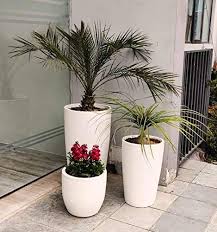
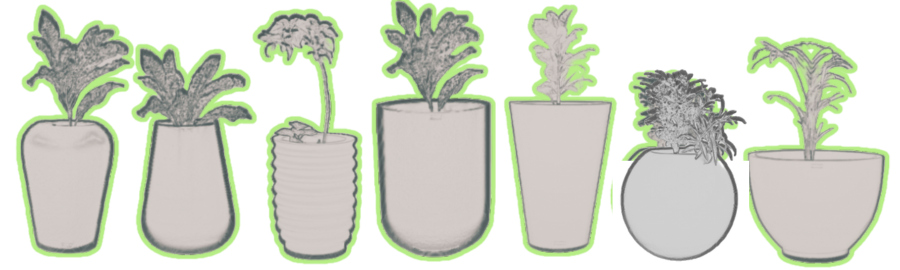
Imagine a world where creativity blooms as beautifully as the flowers in a lush garden. In this vibrant landscape, Zardens Potential Round Planters with its Innovative Uses and Applications, stand tall as the epitome of innovation and elegance.
These exquisite vessels, crafted with precision and passion, transcend mere functionality to become veritable works of art. lets check Potential Round Planters and its Innovative Uses and Applications of it and also that how it can bring beauty and greenery to your surrounding with Innovative application of shape , size , coloure and verity zardens offer to its user.
You can also customize it as per your need and spaces we promise to deliver quality product with modern touch to maintain your elegence and style along with durability ,lightweight and sunproof benefits. you can also contribute to green economy by using it as these are sustainable with recyclable ability at the the end of its life.
Let’s check some of its uses , application and benefits, you can also experience it by using.
Bringing Nature to New Heights of Innovative application
Looking up at a concrete jungle, you might not expect to find a lush oasis above your head. But with the innovative use of round planters, green roofs are transforming urban landscapes into vibrant, eco-friendly spaces.
Transforming Rooftops with Round Planters
Round planters play a key role in this transformation, providing a practical and visually appealing solution for creating green roofs. beautify it as per your choice of design and color.
Benefits of Green Roofs
Green roofs offer a multitude of benefits for both the environment and urban dwellers. Round planters support vegetation, these rooftop gardens can improve air quality, reduce heat absorption, and mitigate stormwater runoff. Plus, they create habitat for birds, insects, and other wildlife in the heart of the city.
Round Planters are Perfect for Green Roof Design
When it comes to designing green roofs, the choice of planters is crucial. Round planters offer stability and versatility, allowing for easy installation and maintenance of vegetation in elevated environments. Their sleek design also adds a touch of elegance to rooftop landscapes.
Innovative Design for Durability and Performance
When designing green roofs with round planters, it’s essential to choose durable materials that can withstand the elements. FRP planters are an excellent choice, as they are lightweight, weather-resistant, and long-lasting. With proper maintenance, round planters can provide years of beauty and functionality in green roof applications.
Revolutionizing Urban Spaces with Round Planters
In the concrete jungle, finding space to grow your own fruits and vegetables can seem like an impossible task. However, with the versatility of round planters, even the smallest urban spaces can become thriving gardens. Whether you are planting into a corner of your balcony or lining them up along a rooftop terrace. These containers offer endless possibilities for urban agriculture.


Using Unused Spaces into Green Oases
Good Aspects of urban agriculture initiatives is their ability to transform neglected areas into vibrant community hubs, Vacant lots, abandoned buildings, and even roadside medians are being repurposed as productive green spaces.
By reclaiming these areas for gardening, cities can increase access to fresh produce, and foster a stronger sense of community among residents.
Breaking Down Barriers to Entry by Innovation
Perhaps the most significant benefit of incorporating round planters into urban agriculture initiatives is their accessibility. Unlike traditional gardens that require digging up soil or leasing land, planters offer a low-cost, low-maintenance alternative for aspiring urban farmers.
With just a few planters and some potting soil, anyone can start growing their own food, regardless of their living situation or gardening experience.
From Rooftops to Sidewalks: The Versatility of Round Planters
One of the key reasons why round planters are so well-suited to urban agriculture initiatives is their adaptability to various environments.
Whether you’re setting up a rooftop farm, a community garden, or a pop-up market, these versatile containers can be easily moved and rearranged to fit your needs. Plus, their sleek design adds a touch of modernity to any urban landscape, making them as aesthetically pleasing as they are functional.
Round planter Maximizing Space and Yield
In densely populated cities where every square inch counts, maximizing space is essential for urban agriculture success. Round planters offer a compact yet efficient solution for growing a wide range of crops in small areas.
By stacking planters vertically or arranging them in tight clusters, urban farmers can significantly increase their yield without sacrificing precious space. Plus, with proper planning and rotation, these planters can support continuous harvests year-round.
Revitalizing Public Spaces with Innovative uses
Revitalizing public spaces with the potential of round planters: innovative uses and applications is like giving a makeover to your favorite hangout spot. Picture this: a dull corner of your neighborhood park, once ignored, now transformed into a vibrant oasis bursting with life and color, all thanks to strategically placed round planters.
Round Planter Bringing Life to Neglected Areas
Imagine a forgotten alleyway or an overlooked plaza suddenly coming alive with greenery and blooms. Round planters can work wonders in breathing new life into these neglected spaces, turning them into inviting areas where people want to linger and enjoy nature’s beauty.
Round planters: Urban Blight into Urban Delight
Urban blight, be gone! With the creative use of round planters, even the most rundown urban areas can be transformed into charming pockets of greenery. Think abandoned lots, concrete jungles, or vacant storefronts turned into lush mini-gardens that uplift the spirits of passers by.
Fostering Community Engagement & Innovation
Round planters have the power to foster community engagement and pride. When residents come together to plan, plant, and maintain these public green spaces, it creates a sense of ownership and camaraderie. Suddenly, neighbors become friends, and communities become stronger.
Revitalizing public spaces with round planters isn’t just about adding greenery; it’s about creating welcoming environments where people can connect, relax, and enjoy the beauty of nature in unexpected places.
Embracing Sustainability with Round Planters
In the world of architecture, sustainability isn’t just a buzzword—it’s a guiding principle. And one innovative way designers are integrating sustainability into their projects is through the use of round planters.
These versatile containers aren’t just for holding plants; they’re integral elements of sustainable design that can enhance both the aesthetic and environmental impact of a space.
Blending Nature with Architecture Application
Imagine strolling through a bustling urban plaza, surrounded by sleek skyscrapers and concrete structures. Now, picture that same space transformed by the addition of round planters filled with lush greenery. Suddenly, the air feels fresher, the atmosphere more inviting. That’s the power of integrating planters in sustainable architecture—they bring a touch of nature to even the most urban environments.
Innovative Applications for Round Planters
The potential for round planters in sustainable architecture is virtually limitless. From rooftop gardens that reduce heat island effects to green facades that insulate buildings and lower energy costs, these versatile containers can be used in a variety of innovative ways.
Designing with Round Planters
For sustainable architecture, every design decision matters. That’s why more architects are turning to round planters as integral components of their projects. these containers not only add visual interest and natural beauty to a space, but they also serve a practical purpose by promoting biodiversity, reducing runoff, and mitigating the urban heat island effect.
Embracing Creativity by Innovative use
In the world of sustainable architecture, thinking outside the box is key. And round planters offer architects the opportunity to get creative with their designs. Whether used as focal points in a courtyard, integrated into building facades, or incorporated into green roofs, these versatile containers can add a touch of whimsy and vitality to any project.
A Greener Future with planters
As we continue to grapple with the effects of climate change and urbanization, the importance of sustainable architecture cannot be overstated.
By incorporating round planters into their designs, architects have the opportunity to not only create beautiful spaces but also to contribute to a greener, more sustainable future for generations to come.
Designing Eye-Catching Arrangements planters
So, you’ve got your hands on some fantastic round planters—now what? Let’s dive into the exciting world of designing eye-catching arrangements that will turn heads and make your space the envy of the neighborhood.

Mix and Match with Foliage application
First things, let’s talk foliage. Mixing and matching different types of plants is like creating a beautiful symphony of colors and textures. Think tall, spiky plants like Dracaena for height, contrasting with trailing vines like English Ivy for a whimsical touch. Don’t forget to throw in some full-bodied plants like Peace Lilies for that lush, green look.
Play with Height and Depth in Round Planters
When arranging your round planters, think beyond the surface. By playing with height and depth, you can create a dynamic visual landscape that’s as interesting to look at from the side as it is from the front. Try placing taller plants towards the back of the planter and cascading varieties towards the front to create depth and dimension.
Elevate Your Outdoor Dining Experience with innovation
Picture this: a cozy outdoor dining area bathed in the warm glow of string lights, with lush greenery all around. With the help of your round FRP planters, you can create a magical ambiance that will make every meal feel like a special occasion. Line the perimeter of your patio with planters filled with fragrant herbs like rosemary and lavender to add both beauty and functionality to your space.
Enhance Your Indoor Environment With Round Planters
Bring the beauty of the outdoors inside with a carefully curated collection of indoor planters. Place round planters filled with air-purifying plants like Snake Plants and Spider Plants in your living room, bedroom, or home office to improve air quality and boost your mood. Plus, they’ll add a pop of color and life to your interior decor scheme.
Unleashing the Potential uses of Round Planters
FRP planters are versatile and durable, making them suitable for various settings. Here are some places where round FRP planters could be an excellent fit.
Outdoor Cafes and Restaurants uses: Round FRP planters can add a touch of greenery to outdoor seating areas, enhancing the ambiance and providing a pleasant environment for diners.
Imagine the vibrant burst of color and freshness that round planters can bring to your dining experience. With their sleek design and space-saving nature, these planters effortlessly elevate your alfresco ambiance.
Hotel Lobbies uses: These planters can be used to create visually appealing arrangements in hotel lobbies, welcoming guests with greenery and enhancing the overall aesthetic.Picture yourself stepping into a lush, green paradise as you check-in, instantly feeling relaxed and rejuvenated amidst the hustle and bustle of travel.
Corporate Offices uses: Placing round FRP planters in office spaces can reduce stress, and create a more pleasant work environment for employees.
It can breathe new life into their workspace with the strategic placement of round planters. Not only do they add a touch of nature to the environment, but they also improve air quality and promote a sense of well-being among employees.
Retail Stores uses: Whether indoors or outdoors, FRP planters can be used to display plants and flowers, adding natural beauty to retail spaces.
round planters serve as eye-catching displays, drawing customers in with their botanical charm, these planters create inviting spaces that reflect the brand’s commitment to aesthetics and sustainability.
Public Parks and Gardens uses: It can be strategically placed in parks and gardens to make it alive with the addition of round planters, providing versatile solutions for urban greenery. From delineating pathways to accentuating focal points, these planters offer endless possibilities for enhancing outdoor landscapes.
Residential Balconies and Patios uses: These planters are ideal for residential use, adding greenery to balconies, patios, and small outdoor spaces where traditional gardening may not be feasible.
Whether you’re enjoying your morning coffee or hosting a small gathering, these planters add a touch of natural beauty to your outdoor living space.
Educational Institutions uses: It can be used in schools, colleges, and universities to enhance campus aesthetics, create green spaces for students to enjoy, and promote environmental awareness.
Educational institutions can foster a love for nature and learning by incorporating round planters into their campus design. From botanical gardens to outdoor classrooms, these planters offer innovative ways to engage students and promote environmental stewardship.
The lightweight and durable nature of FRP planters makes them easy to move and maintain also their sleek designs and variety in shapes adds a modern touch to any space while enhancing Its Beauty.
Innovate Garden With Zardens Versatile Rectangular FRP Planters
Transform your garden oasis with Zardens’ innovative Rectangular FRP Planters, elevating green spaces to new heights. Crafted with precision and durability, these versatile planters redefine outdoor aesthetics. Imbued with elegance and functionality, they seamlessly blend into any landscape, offering boundless possibilities for botanical creativity. Embrace the fusion of modern design and natural allure, as Zardens’ planters become the canvas for your botanical masterpiece. From lush foliage to vibrant blooms, each planter invites flourishing growth, nurturing your botanical dreams. Embrace the allure of nature’s bounty and unleash your creativity with Zardens’ Garden Innovation FRP Planters.
Have you ever wondered How to innovate Garden and Home with Zardens Rectangular, sleek and stylish FRP planters adorning Indoor and outdoor landscapes?
Well, buckle up, because we’re about to take a journey through how to Innovate your Garden With stylish and Versatile Rectangular FRP Planters.
Back in the mid-20th century, (FRP) emerged as a revolutionary material in various industries, from aerospace to automotive.
However, it wasn’t until later that designers and horticultural enthusiasts recognized its potential in the realm of gardening and using Garden Innovation FRP Planters.
Evolution of Design
Fast forward to the 21st century, and FRP planters have undergone quite the makeover. What started as basic, utilitarian containers has blossomed into a diverse-Innovative array of shapes, sizes, and styles.
Designers have pushed the boundaries of creativity, incorporating intricate patterns, vibrant colors, and even built-in irrigation systems in FRP Plantrers to make your Gardens look classy.
It’s no longer just about functionality; it’s about making a statement and elevating outdoor spaces and Gardens to new heights of aesthetic appeal.
Innovate Your Gardens
One of the key features of Zardens Rectangular FRP planters is their versatility in application.
Whether you’re a city dweller with limited balcony space or a suburban gardener with acres to spare, these planters fit seamlessly into any environment.
Their lightweight yet durable construction makes them ideal for rooftop gardens, patio settings, or even indoor spaces.
Plus, with features like UV resistance and weatherproofing, you can trust that your plants will thrive no matter the conditions.
Zardens rectangular FRP planters have got you covered. With their blend of style, functionality, and durability, they’re sure to be the centerpiece of any garden or landscape design.
Introducing Zardens Rectangular FRP Planters
So, you’re all about sprucing up your garden, huh?
Well, hold onto your gardening gloves because we’re about to dive into the world of modern marvels – the innovative and Stylish features of contemporary FRP planters, specifically, Zardens Rectangular FRP Planters.
Lightweight yet Durable
Picture this: You’re rearranging your garden for the umpteenth time, and you’re tired of lugging around heavy planters.
Say hello to Zardens Rectangular FRP Planters – they’re lightweight, Stylish and Versatile making them a breeze to move around, yet durable enough to withstand the elements.
Weather-resistant Wonder
Whether it’s scorching sun or pouring rain, these planters are built to brave it all.
Made from high-quality FRP, Zardens Rectangular FRP Planters won’t crack, fade, or warp, ensuring they look fabulous in your Garden and Home all year round.
You might be wondering, “But what about frost?” Fear not, fellow gardener! These planters are frost-resistant too, so you can kiss goodbye to worrying about winter damage.
Size and Color Pops
One size fits all? Not in our garden! Zardens Rectangular FRP Planters come in a variety of sizes, shapes, and colors, allowing you to mix and match to your heart’s content.
Want a pop of color? Go for it! Prefer a sleek, Stylish and minimalist look? You got it!
Plus, with their Rectangular design, these planters are perfect for lining pathways, creating Innovative partitions, or adding a modern touch to any Gardens, Indoor and outdoor space.
Customization
So, there you have it – the lowdown on the innovative features of Zardens Rectangular FRP Planters. Lightweight, weather-resistant, and fully customizable, these planters are the perfect addition to any garden or outdoor space.
So why wait? Spruce up your garden today with Zardens Rectangular FRP Planters and watch your outdoor oasis come to life!
Smart Gardening with FRP Planters
In the ever-evolving world of gardening, technology is weaving its way into our green spaces, and FRP planters are no exception.
Imagine a world where your planters can communicate with you, adjust watering schedules, and even remind you when it’s time to fertilize.
It’s not science fiction; it’s the exciting reality of smart features enhancing the functionality of FRP planters in Your Gardens.
The Rise of Smart Features
Gone are the days of guessing when your plants need water or trying to remember their specific care instructions.
In the Future the integration of smart features, FRP planters will become intuitive partners in our gardening endeavors.
These features range from simple moisture sensors to full-blown smartphone apps that allow you to monitor and control your planters from anywhere in the world.
Optimizing Plant Health
One of the most exciting aspects of smart features in FRP planters is their ability to optimize plant health.
These Innovative planters can analyze environmental factors like sunlight, temperature, and humidity, then adjust watering and fertilization schedules accordingly In Gardens, Indoor and Outdoor.
It’s like having a plant whisperer ensuring your green friends thrive.
Innovative Rectangular FRP Planters: Leading the Way
When it comes to incorporating smart features into Innovative FRP planters, Zardens leads the pack.
Their rectangular FRP planters not only boast sleek, modern design but also pack a technological punch.
With features like built-in sensors, self-watering systems, and compatibility, these planters are revolutionizing the way we garden.
Maximizing Convenience
Let’s face it, life can get busy, and sometimes our plants end up taking a backseat to other priorities.
But with Zardens planters, maintaining your garden has easier. The smart Innovative features take the guesswork out of gardening, leaving you with more time to enjoy the fruits and flowers of your labor.
Environmental Benefits
Beyond the versatile factor, smart features in FRP planters also offer environmental benefits.
By optimizing watering schedules and reducing water waste, these planters help conserve one of our most precious resources.
Healthier plants mean less need for chemical fertilizers and pesticides, promoting a more eco-friendly approach to gardening.
The Future of Gardening
As technology continues to advance, the possibilities for smart innovative features in FRP planters are endless.
Imagine a future where your Gardens planters can not only care for your plants but also communicate with each other, sharing insights and tips for optimal growth.
It’s an exciting time to be a gardener, and with Zardens Rectangular FRP planters leading the charge, the future looks bright – and green!
Sustainability Spotlight: Eco-Friendly Advancements in FRP Planter
When it comes to gardening, we want our green spaces to be as eco-friendly as possible.
That’s where the fantastic world of FRP planters comes into play. These innovative Planters are not just for your plants’ health but also for the planet’s well-being.
Let’s dive into the green goodness of Zardens FRP planter manufacturing!
Going Green with Materials
Traditionally, plastic has been the go-to material for planters, but it’s no secret that it’s not the most eco-friendly option out there.
However, Zardens Innovative Rectangular FRP Planters are changing the game. By utilizing sustainable materials and advanced manufacturing techniques, Zardens ensures that every Garden planter produced is a step towards a greener future.
From recycled plastics to biodegradable components, these planters are as Earth-friendly as they come.
Reducing Waste with Recycling
One of the most significant benefits of FRP planters is their recyclability. Unlike traditional plastic planters that often end up in landfills, Zardens Rectangular FRP Planters can be easily recycled at the end of their lifespan.
This not only reduces waste but also minimizes the environmental impact of gardening. So, when you’re done enjoying your beautiful plants, you can rest easy knowing that your Garden and planter can be repurposed into something new.
Energy-Efficient Production
In addition to using sustainable materials, Zardens takes it a step further by prioritizing energy-efficient innovative production methods.
By optimizing their manufacturing processes, they minimize energy consumption and reduce their carbon footprint.
From solar-powered facilities to energy-saving machinery, every aspect of production is carefully designed to be as environmentally friendly as possible.
So, when you choose Zardens Rectangular FRP Planters, you’re not just investing in your garden; you’re investing in a cleaner, greener future.
Conclusion
Zardens Rectangular FRP Planters are more than just stylish Planters for your plants; they’re a commitment to sustainability.
From their use of eco-friendly materials to their energy-efficient production methods, every aspect of their manufacturing process is designed with the planet in mind.
So, if you’re looking to beautify your garden while minimizing your environmental impact, look no further than Zardens,Garden Innovation FRP Planters.
With these innovative planters, you can enjoy your green space knowing that you’re doing your part to protect the planet.
In conclusion, Zardens presents an unparalleled opportunity to transform your garden into a vibrant oasis. With their versatile Rectangular FRP Planters, gardening enthusiasts can elevate their outdoor spaces with ease. These planters, crafted with innovative techniques and premium materials, offer durability, style, and functionality. Whether you’re cultivating lush greenery or blossoming florals, Zardens’ planters provide the ideal canvas for your botanical masterpiece. Embrace creativity, sustainability, and sophistication as you curate your garden sanctuary. Experience the fusion of artistry and nature, making every corner of your outdoor haven a testament to beauty and ingenuity. Elevate your gardening journey with Zardens today!